


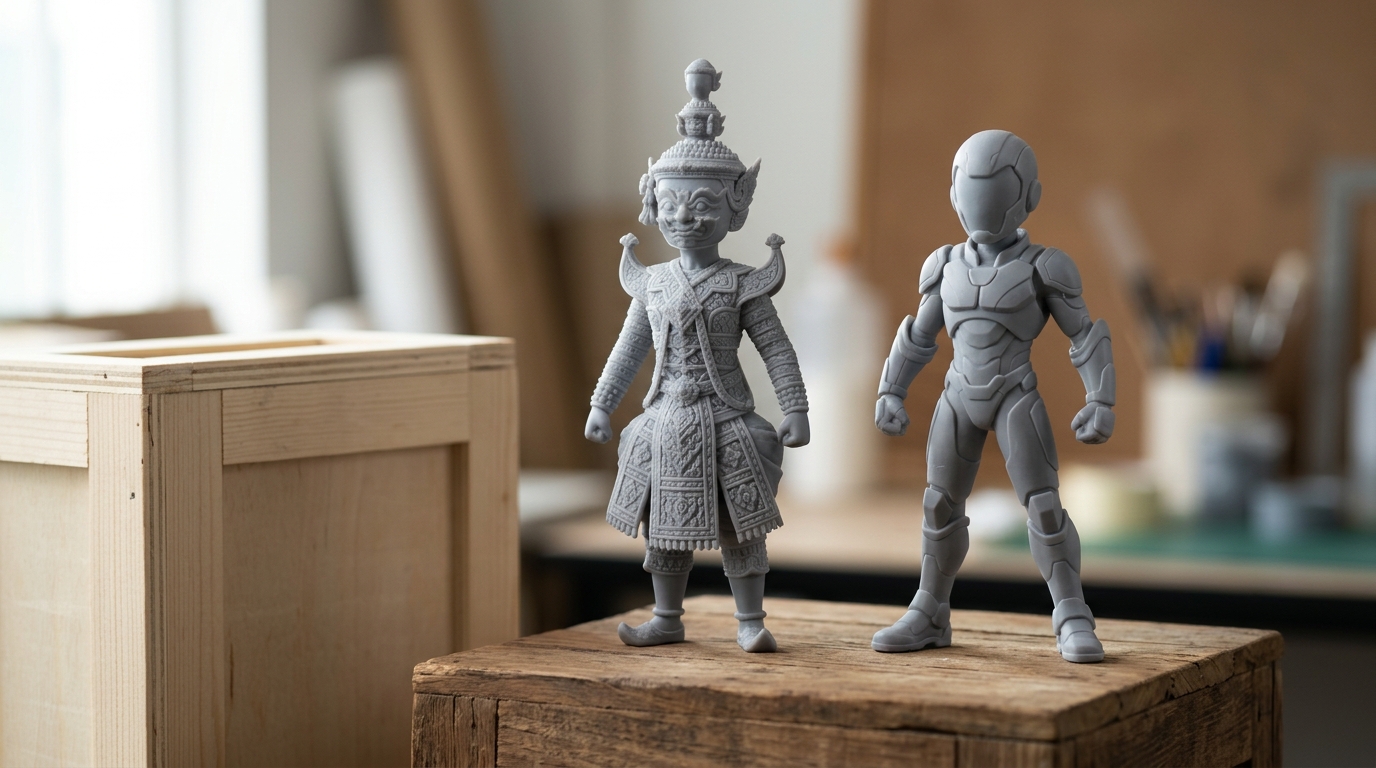
If you run a business... Thai animation in China Or perhaps you're looking for a way to enter the Chinese market through IP, games, or digital content. The signals emerging in Nanning in mid-2026 should be on your radar, not because it's good news, but because it indicates that the digital content trade between Thailand and China is changing, and if you don't know what to prepare, you might enter that market later than others.
What is Nanning doing, and why does that concern you?
Nanning, the capital of the Guangxi Zhuang Autonomous Region, recently launched the China-ASEAN Animation and Game Industrial Park, or CAGIP, in April 2026. This project is not just a typical industrial park; the Guangxi government has designated it as a new strategic industry for the province and a platform to support animation, game, and digital content businesses directly targeting ASEAN. This clearly means that Thailand is a key target for them.
Within this industrial park, companies from Beijing, Shanghai, Shenzhen, Guangzhou, Chengdu, and Hangzhou have already established offices. It boasts a comprehensive range of facilities, including offices, a startup incubator, an AI animation development center, and over 2,000 square meters of pop-up event space. Events scheduled for 2025 are projected to attract over 10,000 visitors per event, a figure that demonstrates the market's real potential, not just a plan on paper.
How big is China's animation and IP market?
By 2025, total revenue from animation and games in China is projected at approximately 350.789 billion yuan, growing by nearly 81% by 3% from the previous year, with over 683 million users. This figure is impressive not only in terms of scale but also because the core consumer base consists of Gen Z and young professionals who are willing to pay for “emotional value,” whether it’s art toys, cosplay, meet & greets, or IP character merchandise.
Analysts estimate that the Chinese market for animation-based IP will reach 834.4 billion yuan by 2029. If you have your own IP, whether it's a cartoon character, game character, or digital content brand, this market isn't closed to foreign players. However, it requires a partner who understands the Chinese cultural context, which is where Thai entrepreneurs may have an advantage if they play the right cards.
Thai animation in China: Where are the real opportunities?
The Nanning Animation and Cartoon Association has clearly identified Thailand as one of its key markets and sees opportunities for cooperation in three main areas: joint content production and IP development, business matching between entrepreneurs from both countries, and joint human resource development between universities, including the training of professionals in AI-Generated Content (AIGC).
Thailand's strengths that China is truly interested in include creativity, design, visual effects, and the ability to adapt content to regional cultural contexts. China, on the other hand, lacks capital, large-scale production systems, IP management, and a comprehensive supply chain. If both sides can truly collaborate, it's not just about exporting content, but about creating joint IP that is marketable in both China and ASEAN.
Thailand Content Market 2026 is the first gateway.
The Thai Trade Center in Nanning has invited Chinese associations and businesses to participate in the Thailand Content Market 2026, which will be held from July 20-22, 2026, at the Queen Sirikit National Convention Center in Bangkok. This event is a real business matching platform with Chinese potential partners. If you have IP (Intellectual Property) or digital content services, this is the place to prepare before the event, not wait until the day to think about it.
Preparing for business matching at this level isn't just about printing business cards and creating a pretty presentation. You need to know the rights to your IP, who owns the copyright in each country, and what clauses should be included in the contract if you're going to co-produce with China to protect your rights in the long term.
The risks that no one mentioned in this news.
This original article presents a positive sign, but there are several points to be cautious about. Firstly, there are issues of copyright and IP protection in China. China's intellectual property law system has improved significantly recently, but enforcement still depends on many factors. If you bring your own IP into co-production without a clear contract, there is a real risk that your IP could be used in ways you didn't intend.
Secondly, there's the issue of physical movement of goods. If this collaboration leads to the cross-border shipment of art toys, collectibles, merchandise, or equipment for pop-up events between Thailand and China, you will encounter actual customs procedures. This is something the original article didn't mention at all, and it's where many people stumble after agreeing to a deal.
Thirdly, regarding policy, which is still in the planning stage, Guangxi has announced a plan to develop the game and animation industry, but provincial-level support policies do not automatically mean preferential tax or import treatment for foreign enterprises. The actual terms and conditions should be checked before deciding to invest or relocate any resources.
Thai animation in China: A checklist before deciding to enter the market.
If you're considering whether to proceed with this opportunity, there are a few things to check before scheduling an appointment or submitting any proposals to the Chinese side:
- Your IP license status — Who owns it, where is it registered, and does it cover China yet?
- The scope of rights to be granted to the Chinese partner. — What does co-production mean? Who gets the rights to sell in which market, and for how long?
- A contract design that protects you. — Do you have a lawyer specializing in Chinese intellectual property law who can help you?
- Plan for physical products. — If I'm shipping merchandise or equipment, what customs documents do I need to prepare?
- Methods for receiving payments from China. — What are the restrictions on transferring licensing or royalty payments from China to Thailand?
- Language and cultural readiness — Do you have someone on your team who can communicate in Chinese, or an interpreter who is an expert in this field?
- Backup plan in case partner changes their mind. — If the deal doesn't go through, will you still have all of your IP addresses?
If the deal leads to actual product delivery, what preparations are needed?
Suppose this collaboration leads to the shipment of art toys or IP character merchandise from Thailand to China, or cross-border shipment of pop-up event equipment. You will encounter a different process than shipping regular goods because products containing IP characters are often subject to copyright checks at Chinese customs.
Documents required for shipping this type of product to China include copyright certificates or IP ownership documents, licenses for the production of merchandise using characters, and documents proving the correct value of the goods. In some cases, certifications from relevant authorities in Thailand may also be required. It is advisable to consult an experienced Customs Broker specializing in cultural and IP goods before making a shipment.
In addition, art toys or collectible toys may also need to meet Chinese product safety standards (GB Standard), especially if they are categorized as toys or children's products, which have relatively strict requirements regarding materials and testing. You should check which category your product falls into before manufacturing or shipping it.
The unseen costs in this type of deal.
Many people focus only on the potential revenue from co-production or licensing deals, but they often overlook the cost of protecting their IP in China. Registering trademarks and copyrights in China is expensive and time-consuming. Skipping this step carries the real risk of someone else registering your IP before you do.
Another cost to consider is travel expenses and costs associated with attending business matching events or visiting industrial parks in Nanning. If you're unsure about the seriousness of your Chinese partner, investing in travel before an initial agreement is reached may not be worthwhile. It's better to start with online meetings or exchanging documents first.
Legal expenses for drafting a co-production contract that covers both countries should not be cut from the budget. A good contract will reduce long-term risk more than saving on attorney fees upfront.
Signals to watch for going forward.
If you are truly interested in this market, things to watch out for over the next 6-12 months include: the progress of the CAGIP industrial park and whether any Thai companies are actually participating; the outcome of the Thailand Content Market 2026 and whether any concrete deals took place; and the policies of Guangxi regarding any special privileges for ASEAN businesses participating in the industrial park.
Furthermore, it remains to be seen whether the Chinese government will issue new regulations regarding the import of foreign content, as China has a relatively complex content approval system, especially for games and animations, which must undergo review by government agencies before being released in the Chinese market.
A framework for SMEs considering this market.
If you're an SME involved in animation, games, or IP-related products, the first question you should ask yourself isn't "How can I enter the Chinese market?" but rather, "Is our IP truly ready for the international market?" and "Do we understand the conditions of our Chinese partners well enough?"“
The Chinese market is large and has real demand, but it is also complex and requires time to learn. Entering this market through business matching channels facilitated by Thai government agencies may help reduce the risk of finding a partner, but it does not guarantee a successful deal or that your IP will be fully protected.
For SMEs still in the feasibility assessment stage, starting by understanding the market through the Thailand Content Market 2026 would likely be a less resource-intensive beginning than flying directly to Nanning. And if you need more information about the process of exporting IP-related products to China, you can find more basic information here. smeshipping.com For use in making a decision.
What is clear is that Nanning is genuinely building infrastructure to support cooperation with ASEAN, and Thailand is on their list of potential partners. The question is, are you ready to be a partner with clear terms and conditions and protect your own interests?
Thai animation in China: Double-check before negotiating prices and before finalizing the container shipment.
Before submitting a price quote to a buyer in China, you should clearly separate the cost of the goods, packaging, shipping, insurance, documentation, and destination charges. If you combine everything into a single lump sum, you won't know where your profit goes when shipping costs change.
For animation, games, digital content, and IP-related products, the first step before submitting a price quote is to obtain complete destination information from the buyer. This includes the preferred port, Incoterms terms, desired delivery date, payment method, and customs documentation. This information helps you assess the risk before accepting the order.
If a buyer requests a price quote, you should check it carefully. Avoid giving a broad, approximate price; instead, provide a price range, specify the quotation's expiration date, and mention that freight surcharges or other additional costs may vary depending on the shipping booking date. This helps prevent disputes when the goods are ready for shipment.
Documentation issues should be checked from the beginning, not waiting until production is complete to inquire. Some documents require time to obtain from relevant agencies or labs. Missing documents on delivery day can result in costs beyond just penalties, including delays and decreased buyer trust.
The angle you should discuss with your freight forwarder is primarily a services and content-trade perspective rather than physical shipping. Any cross-border movement would likely be for event materials, promotional goods, or IP-related merchandise, but details are unknown. Ask about standard shipping times, alternative routes in case of risk, costs not included in the freight quote, and insurance terms and conditions in case of damage or delays.
Another point to be aware of is that this is not a customs or freight article. The commercial value is real, but the actionable trade signal is mainly partnership and content-market access, not transport operations. This might not be visible in the initial quotation but will emerge when the buyer reviews documents or when customs at the destination request additional information. Preparing this information in advance can help speed up the deal.
- Separate the cost of goods, shipping, insurance, and documentation onto different lines before submitting a price quote.
- Clearly confirm the Incoterms with the buyer, specifying who is responsible for the final delivery costs.
- Verify that the HS Code and product name in the invoice match the packing list and shipping documents.
- Please provide a freight quote that includes all applicable surcharges, not just the base freight price.
- Specify the expiration date of the quotation to mitigate the risk of fluctuating freight rates.
- Keep product certification documents and product photos ready to respond to buyers immediately.
- Start with a sample shipment if you haven't shipped to this market before, to reduce risk before placing a large order.
If you use this checklist before starting pricing discussions, your first export transaction won't be guesswork, but rather a decision based on actual costs, real documentation, and real risks. This will help you negotiate with the buyer with more confidence.
Thai animation in China: Documents, standards, and evidence that buyers should receive.
For animation, games, digital content, and IP-related products entering China, you should separate product documentation from shipping documentation from the outset. Product documentation may include specifications, ingredient lists, certificates, test reports, and labels. Shipping documentation should ensure that the invoice, packing list, bill of lading, and other originating documents match in terms of product name and quantity.
If a product requires lab testing, don't wait until production is complete to send samples. Ask the buyer beforehand what standards are required, which labs are reputable, and how long the test results are valid. This helps reduce duplicate testing and allows for more realistic delivery dates.
Labels and packaging should be reviewed from the artwork before actual printing. The buyer should confirm the product name, ingredients, weight, country of origin, production date, expiration date, and any warning messages required by the target market. Revising the artwork is also cheaper than modifying a finished product.
It's advisable to keep a complete set of evidence for each lot, including product photos, labels, outer boxes, batch numbers, and quality control documents. When the buyer or customs ask, you'll be able to answer with a single set of information, avoiding the need to search multiple parties during rush orders.
- Please provide a written checklist of documents from both the buyer and the customs broker.
- Confirm that the product name, HS Code, and details in the invoice are consistent.
- Check that the certificate and test report are valid for the specified dates and cover the import period.
- The buyer must approve the label artwork before ordering the actual packaging production.
- Link the lot number to the packing list and include photos of the product before sealing the box.
- Allow time for document revisions and requests for additional information from the recipient.
Thai animation in China: Signals to watch out for after sending samples.
After sending samples to China, don't just focus on whether the buyer likes the product. You should also ask: What price point would allow them to resell? What packaging size is suitable for which distribution channel? And what documents are causing the purchasing team to spend a long time reviewing them? Answering these questions will help you adjust your products and costs before accepting large orders.
You should record the time taken for each step, from preparing samples and obtaining documents to booking transportation, clearing customs, and finally receiving the goods from the buyer. If any step takes longer than expected, you'll know whether to allow extra time or change the shipping method for the next time.
When raw material prices, exchange rates, or freight costs change, review your landed cost. Do not automatically use prices from previous shipments, as seemingly sufficient margins may be lost due to surcharges, storage, inspection, or destination documentation correction fees.
A review date should be scheduled jointly with the sales, production, and export departments after the buyer receives the sample. This ensures that all information is consistent across all departments, including quality, price, packaging, documentation, and shipping time. If each department keeps separate data, subsequent revisions will be delayed, and responses to the buyer may be inconsistent.
For the first order, it's advisable to set conditions for increasing the quantity in advance, such as the product damage rate, customs clearance time, the number of document revisions, and the margin after including actual costs. Once the data meets the criteria, then increase the quantity. This approach ensures evidence-based growth, not just expectations.
- Ask the buyer about the trial sales figures and any actual complaints received.
- Review the lead time from production to the final delivery date.
- Compare the actual costs with the quotation item by item.
- Record the questions from the customs broker to prepare for the next document preparation round.
- Determine a decision point to expand the order, adjust the product, or stop the trial.
- Assign a data owner for each set of data so that the same data can be used to respond to buyers.
- Track actual costs incurred for storage, inspection, and document corrections.
- Review the results after each shipment before confirming the price and quantity for the next order.
- Keep records of your decisions and results for comparison with the next shipment.
A short summary is compiled after each shipment, detailing what passed, what needs fixing, the person responsible, and the date for a follow-up inspection. This allows the team to immediately utilize past lessons learned and avoids starting the analysis from scratch with every new order.
Source: Department of International Trade Promotion (DITP) — Trade Promotion Office in Nanning, July 1, 2026.
Thai animation in China: Check the requirements before deciding.
Thai animation companies aiming to market their work in China should thoroughly review documentation, costs, and end-user requirements before confirming a price. This approach reduces risk and allows for planning based on accurate information.
For more official information, please check: Related sources of information
Thai animation in China: Check the requirements before deciding.
Thai animation companies aiming to market their work in China should thoroughly review documentation, costs, and end-user requirements before confirming a price. This approach reduces risk and allows for planning based on accurate information.





 English
  Thai
Thai