


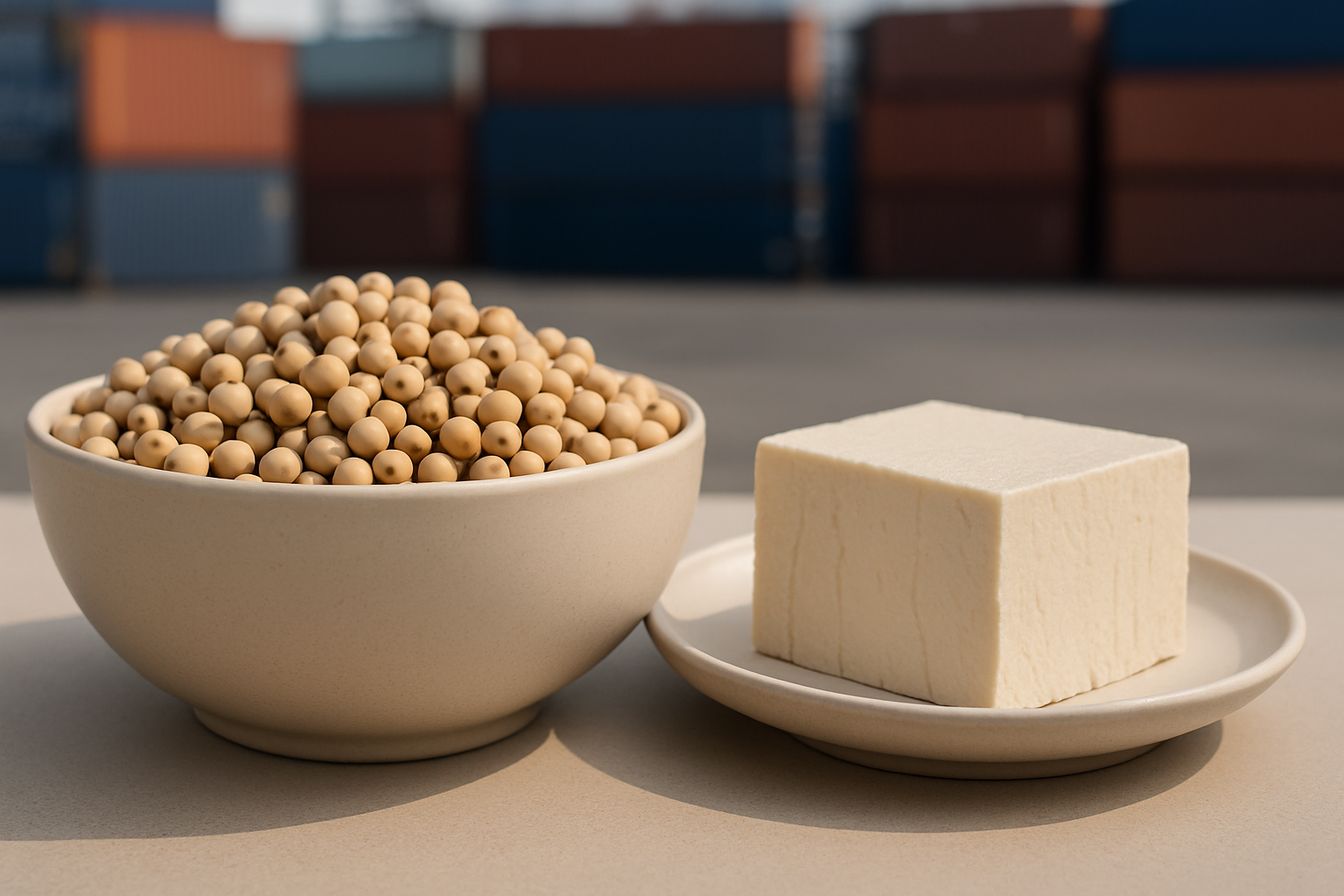
ถั่วเหลือง เกาหลีใต้ กำลังเป็นประเด็นที่คนในอุตสาหกรรมอาหารที่นั่นพูดถึงกันมากขึ้นเรื่อยๆ ไม่ใช่เพราะราคาผันผวนธรรมดา แต่เพราะโรงงานผลิตเต้าหู้หลายแห่งเริ่มส่งสัญญาณว่าวัตถุดิบนำเข้าที่เคยพอใช้กำลังจะไม่พอ ถ้าคุณเป็นคนทำธุรกิจเกี่ยวกับถั่วเหลืองหรือผลิตภัณฑ์แปรรูปจากถั่วเหลือง เรื่องนี้ไม่ใช่ข่าวไกลตัวเลยครับ เพราะมันกำลังบอกว่าห่วงโซ่อุปทานของตลาดใหญ่แห่งหนึ่งในเอเชียกำลังตึงตัว
ในบทความผมพูดถึงหัวข้อ
- ถั่วเหลือง เกาหลีใต้ ขาดแคลนเพราะอะไร
- ทำไมบริษัทใหญ่อย่าง CJ และ Daesang ก็ยังกระทบ
- ทางเลือกใช้ถั่วเหลืองในประเทศ ไม่ใช่ทางออกที่ถูก
- สัญญาณนี้หมายความว่าอย่างไรสำหรับผู้ส่งออกไทย
- สิ่งที่ควรเช็กก่อนคิดจะเข้าตลาดนี้จริงจัง
- ความเสี่ยงที่ต้องระวังถ้าคิดจะรีบเข้าตลาดนี้
- มองเป็นจังหวะเตรียมตัว ไม่ใช่โอกาสรีบเข้า
- ทำไมเกาหลีใต้ถึงขาดถั่วเหลืองนำเข้าทั้งที่ยังมีเวลาอีกหลายเดือน
- ระบบโควตา TRQ และ FTA เกี่ยวข้องกับผู้ผลิตรายใหญ่ยังไง
- ทำไมเรื่องนี้ยังไม่ใช่โอกาสที่ไทยเข้าได้ทันที
- สิ่งที่ผู้ส่งออกไทยควรเช็กก่อนคิดจะเข้าตลาดนี้
- ความเสี่ยงที่ต้องระวังถ้าคิดจะรีบเข้าไปโดยไม่ศึกษาโครงสร้าง
ถั่วเหลือง เกาหลีใต้ ขาดแคลนเพราะอะไร
ปัญหาที่เกิดขึ้นไม่ใช่แค่เรื่องซัพพลายขาดช่วงชั่วคราว แต่โรงงานผลิตเต้าหู้ขนาดกลางและเล็กทั่วเกาหลีใต้ต้องการถั่วเหลืองนำเข้าประมาณ 250,000 ตันต่อปี ในขณะที่รัฐบาลวางแผนจัดสรรให้แค่ประมาณ 220,000 ตัน ส่วนต่างราว 30,000 ตันนี้คือช่องว่างที่อุตสาหกรรมกำลังกังวลกันอยู่ตอนนี้ และที่สำคัญคือสหกรณ์อุตสาหกรรมอาหารประเภท Soft-food ยืนยันเองว่านี่ไม่ใช่ปัญหาปีนี้ปีเดียว แต่เป็นปัญหาเชิงโครงสร้างที่เกิดซ้ำเป็นระยะ
ทำไมบริษัทใหญ่อย่าง CJ และ Daesang ก็ยังกระทบ
ที่น่าสนใจคือแม้แต่บริษัทอาหารรายใหญ่อย่าง CJ Cheil Jedang, Daesang และ Pulmuone ก็ยังต้องพึ่งพาการจัดซื้อร่วมกันผ่านสหกรณ์ ภายใต้ระบบโควตาภาษี หรือ TRQ และการจัดสรรตาม FTA เพราะถั่วเหลืองสำหรับแปรรูปมีข้อจำกัดด้านภาษีที่ต่างจากถั่วเหลืองสำหรับสกัดน้ำมันซึ่งเอกชนนำเข้าตรงได้เลย นั่นแปลว่าต่อให้เป็นบริษัทใหญ่แค่ไหน ก็ยังต้องเล่นตามกติกาการจัดสรรของรัฐบาลเกาหลีใต้อยู่ดี
CJ เองระบุว่าถ้าสถานการณ์ยืดเยื้อต่อไป อาจเริ่มกระทบสายการผลิตตั้งแต่เดือนตุลาคม ส่วน Daesang ที่พึ่งพาถั่วเหลืองนำเข้าสูงถึง 75% ของวัตถุดิบ ก็บอกตรงๆ ว่าถ้าไม่มีการจัดหาเพิ่ม อาจกระทบการดำเนินงานของสายการผลิตที่ใช้วัตถุดิบนำเข้าโดยตรง
ทางเลือกใช้ถั่วเหลืองในประเทศ ไม่ใช่ทางออกที่ถูก
ทางแก้ระยะสั้นที่โรงงานเต้าหู้พูดถึงคือหันไปใช้ถั่วเหลืองที่ปลูกในประเทศแทน แต่ปัญหาคือเต้าหู้ที่ผลิตจากถั่วเหลืองในประเทศมีต้นทุนสูงกว่าถั่วเหลืองนำเข้าประมาณ 3-4 เท่า เพราะเต้าหู้เป็นอาหารพื้นฐานที่ผู้บริโภคไวต่อราคามาก ต่อให้คุณภาพดีกว่า คนส่วนใหญ่ก็ยังเลือกซื้อของราคาถูกกว่าอยู่ดี นี่จึงเป็นโจทย์ที่ผู้ผลิตเกาหลีใต้แก้ไม่ได้ง่ายๆ ในระยะสั้น
สัญญาณนี้หมายความว่าอย่างไรสำหรับผู้ส่งออกไทย
ตรงนี้ผมอยากชวนคุณมองแบบตรงไปตรงมาครับ ปัจจุบันไทยยังมีสัดส่วนการส่งออกถั่วเหลืองดิบไปเกาหลีใต้ในระดับจำกัดมาก และไม่ใช่แหล่งนำเข้าหลักของเขา ดังนั้นเรื่องนี้ยังไม่ใช่โอกาสที่เดินเข้าไปขายได้ทันที แต่มันคือสัญญาณว่าโครงสร้างตลาดกำลังเปลี่ยน และถ้าเกาหลีใต้ปรับเพิ่มปริมาณนำเข้าหรือปรับระบบการจัดสรรในอนาคต ใครที่ศึกษาตลาดนี้ไว้ก่อนจะได้เปรียบกว่าคนที่เพิ่งเริ่มมอง
สิ่งที่น่าสนใจกว่าการส่งออกถั่วเหลืองดิบ คือผลิตภัณฑ์แปรรูปจากถั่วเหลือง เช่น เครื่องดื่มโปรตีนจากถั่วเหลือง อาหารพร้อมรับประทานที่มีส่วนผสมถั่วเหลือง หรือผลิตภัณฑ์โปรตีนจากพืช เพราะกลุ่มนี้ไม่ต้องเจอข้อจำกัดโควตาแบบเดียวกับถั่วเหลืองแปรรูปสำหรับทำเต้าหู้โดยตรง
สิ่งที่ควรเช็กก่อนคิดจะเข้าตลาดนี้จริงจัง
ถ้าคุณกำลังพิจารณาว่าจะศึกษาตลาดถั่วเหลือง เกาหลีใต้ อย่างจริงจัง มีเรื่องที่ควรเช็กก่อนตัดสินใจลงทุนเวลาและทรัพยากร เพราะระบบของเกาหลีใต้มีรายละเอียดเฉพาะที่ไม่เหมือนตลาดอื่น
- ตรวจสอบว่าสินค้าที่คุณจะส่งออกจัดอยู่ในหมวดถั่วเหลืองแปรรูปหรือถั่วเหลืองสกัดน้ำมัน เพราะสองหมวดนี้มีเงื่อนไขภาษีและช่องทางนำเข้าต่างกันมาก
- ศึกษาว่าสินค้าของคุณมีสิทธิ์เข้าโควตา TRQ หรือได้รับสิทธิ์ตาม FTA หรือไม่ เพราะเงื่อนไขการรับรองแหล่งกำเนิดสินค้าและคุณสมบัติยังไม่ชัดเจนสำหรับถั่วเหลืองไทยในตอนนี้
- ติดต่อสอบถามข้อมูลกับหน่วยงานที่เกี่ยวข้อง เช่น aT (Korea Agro-Fisheries & Food Trade Corp.) หรือสหกรณ์อุตสาหกรรมอาหารประเภท Soft-food เพื่อเข้าใจกระบวนการจัดซื้อร่วม
- เตรียมเอกสารมาตรฐานความปลอดภัยอาหาร การแสดงฉลาก และข้อกำหนดการนำเข้าเฉพาะของเกาหลีใต้สำหรับสินค้าแต่ละประเภท
- ประเมินต้นทุนโลจิสติกส์และอายุการเก็บรักษาสินค้า เพราะถั่วเหลืองและผลิตภัณฑ์แปรรูปมีความอ่อนไหวต่อระยะเวลาขนส่งและการเก็บรักษา
- เปรียบเทียบราคาที่แข่งขันได้ เพราะตลาดนี้ผู้บริโภคไวต่อราคาสูงมาก แม้สินค้าคุณภาพดีก็อาจขายยากถ้าราคาสูงกว่าคู่แข่งมาก
ความเสี่ยงที่ต้องระวังถ้าคิดจะรีบเข้าตลาดนี้
ผมไม่ได้บอกให้คุณรีบส่งของไปเกาหลีใต้ตอนนี้เลยนะครับ เพราะเอกสารต้นทางที่เรามีไม่ได้ระบุชัดว่าถั่วเหลืองไทยจะผ่านเกณฑ์โควตา TRQ หรือ FTA ได้อัตโนมัติ เงื่อนไขการรับรองคุณสมบัติและวัตถุประสงค์การใช้งานผ่าน aT หรือสหกรณ์ยังต้องตรวจยืนยันเป็นรายกรณี การเข้าไปโดยไม่เช็กเรื่องนี้ก่อน อาจทำให้สินค้าถูกจัดประเภทผิดหรือไม่ได้รับสิทธิ์ทางภาษีตามที่คาดหวัง
อีกเรื่องที่ต้องระวังคือเรื่องราคา แม้บทความต้นทางจะบอกว่าเต้าหู้จากถั่วเหลืองในประเทศแพงกว่าถั่วเหลืองนำเข้า 3-4 เท่า แต่นั่นเป็นราคาปลายทางของสินค้าสำเร็จรูปในเกาหลีใต้ ไม่ใช่ราคาต้นทุนถั่วเหลืองดิบจากไทย ดังนั้นก่อนตั้งราคาขายหรือเสนอราคากับผู้ซื้อ ควรตรวจสอบราคาตลาดจริงในช่วงเวลานั้นๆ ก่อนเสมอ
มองเป็นจังหวะเตรียมตัว ไม่ใช่โอกาสรีบเข้า
สิ่งที่ผมอยากให้คุณเอากลับไปคิดคือ เรื่องนี้เป็นสัญญาณเตือนล่วงหน้ามากกว่าโอกาสที่พร้อมใช้ได้ทันที ตลาดถั่วเหลือง เกาหลีใต้ มีโครงสร้างการจัดสรรที่ซับซ้อนและผูกกับนโยบายภายในของเขาเอง การที่เราเห็นข่าวนี้ตอนนี้ ไม่ได้แปลว่าพรุ่งนี้จะส่งออกได้เลย แต่มันคือจังหวะที่ควรเริ่มศึกษาช่องทาง ผู้ซื้อ และเงื่อนไขไว้ล่วงหน้า เพื่อให้พร้อมกว่าคนอื่นถ้าโอกาสจริงเปิดขึ้นมาในอนาคต
ถ้าคุณกำลังทำธุรกิจเกี่ยวกับถั่วเหลืองหรือผลิตภัณฑ์แปรรูปจากถั่วเหลือง การติดตามสัญญาณแบบนี้อย่างต่อเนื่องน่าจะมีประโยชน์มากกว่าการรอให้มีข่าวดังแล้วค่อยขยับตาม เพราะตลาดที่มีข้อจำกัดด้านโควตาแบบนี้ มักจะให้โอกาสกับคนที่เตรียมเอกสารและความสัมพันธ์กับผู้ซื้อไว้ก่อนเสมอ คุณสามารถศึกษาข้อมูลการค้าระหว่างประเทศเพิ่มเติมได้ที่ SME SHIPPING เพื่อติดตามสัญญาณตลาดแบบนี้ในสินค้าประเภทอื่นด้วย
สำหรับข้อมูลเชิงลึกเรื่องระบบโควตานำเข้าและมาตรฐานอาหารของเกาหลีใต้ คุณสามารถตรวจสอบข้อมูลเพิ่มเติมได้จากเว็บไซต์ Korea Customs Service ซึ่งเป็นหน่วยงานศุลกากรทางการของเกาหลีใต้
Source: Department of International Trade Promotion (DITP)

 English
  Thai
Thai