Import taxes in Colombia.

Import taxes in Colombia.

Sending goods to Colombia. (Colombia)

Import taxes and duties for shipping goods to Colombia.

Overview

When shipping goods to Colombia, the recipient is required to pay import duties and taxes, whether the goods are for personal or commercial use. The assessment method is based on the CIF (Cost, Insurance & Freight) price, meaning duties and taxes are calculated on the full value of the imported goods, including the cost of the goods, insurance, and freight. In addition to duties, shipments to Colombia may also incur sales tax and certain other special taxes.

Tax rates in Colombia.

Shipping to Colombia is subject to variable customs duties ranging from 0% to 35%, with an average rate of 22.27%. Some items, such as books, can be imported duty-free.

Sales tax in Colombia

In Colombia, Value Added Tax (VAT) is levied on imported goods at a standard rate of 16%, or at a lower rate for certain items. It is calculated based on the total CIF (Cost, Inclusive, Export) price plus duties and any other applicable taxes.

Minimum taxes and duties in Colombia.

In Colombia, there is no minimum import tax. Therefore, all shipments to Colombia are subject to import duties regardless of the value of the goods. 

Other taxes and customs fees in Colombia.

All shipments to Colombia are subject to a statistical fee of 0.05%, calculated on the total CIF (Cost, Infrastructure, Fuel) price plus duties.
The maximum shipping fee for each shipment to Colombia is USD500.
Excise tax is levied on alcoholic beverages and tobacco products at a rate between 20% and 55%, calculated from the total CIF (Cost, Infrastructure, Export) price plus duties. 

Location and contact information for the Colombian Customs Department.

Further information regarding import procedures and restrictions on sending goods into Colombia can be found on the Colombian Customs website:  http://unlesacolombia.website/customs/#1497303777365-e05d55c4-7b38 

How to send goods to Colombia.

For shipments to Colombia, SME SHIPPING provides document and parcel delivery services via DHL EXPRESS, FEDEX EXPRESS, TNT EXPRESS, Global Mail, and international sea freight.

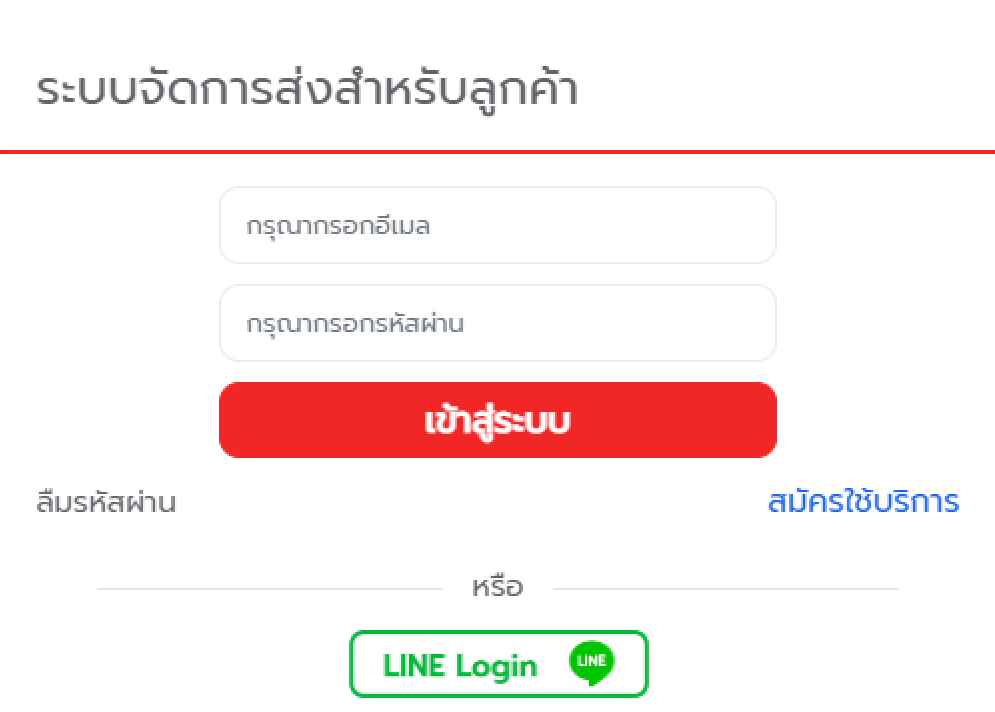
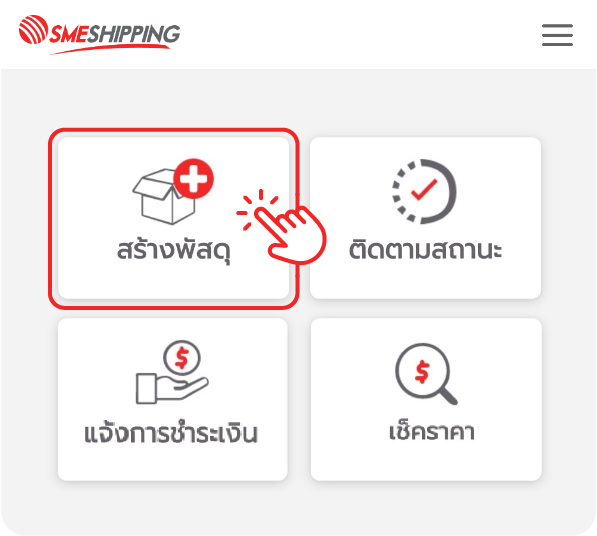
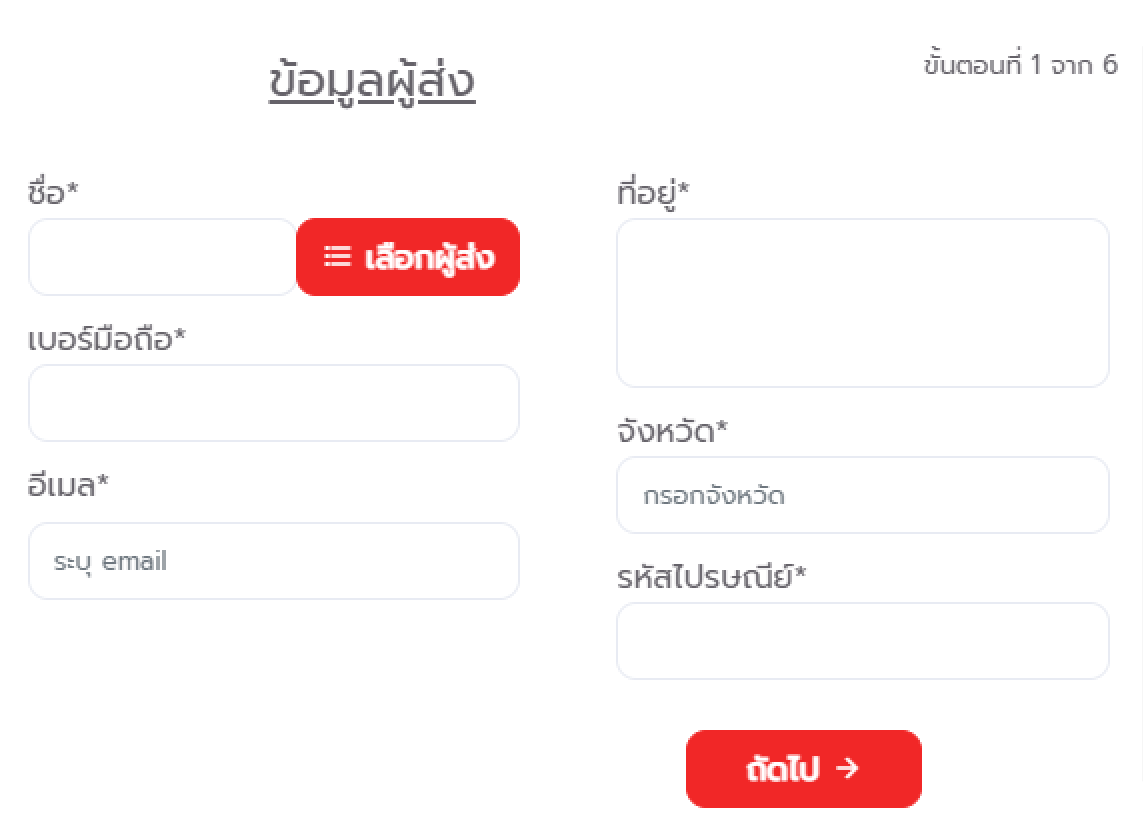
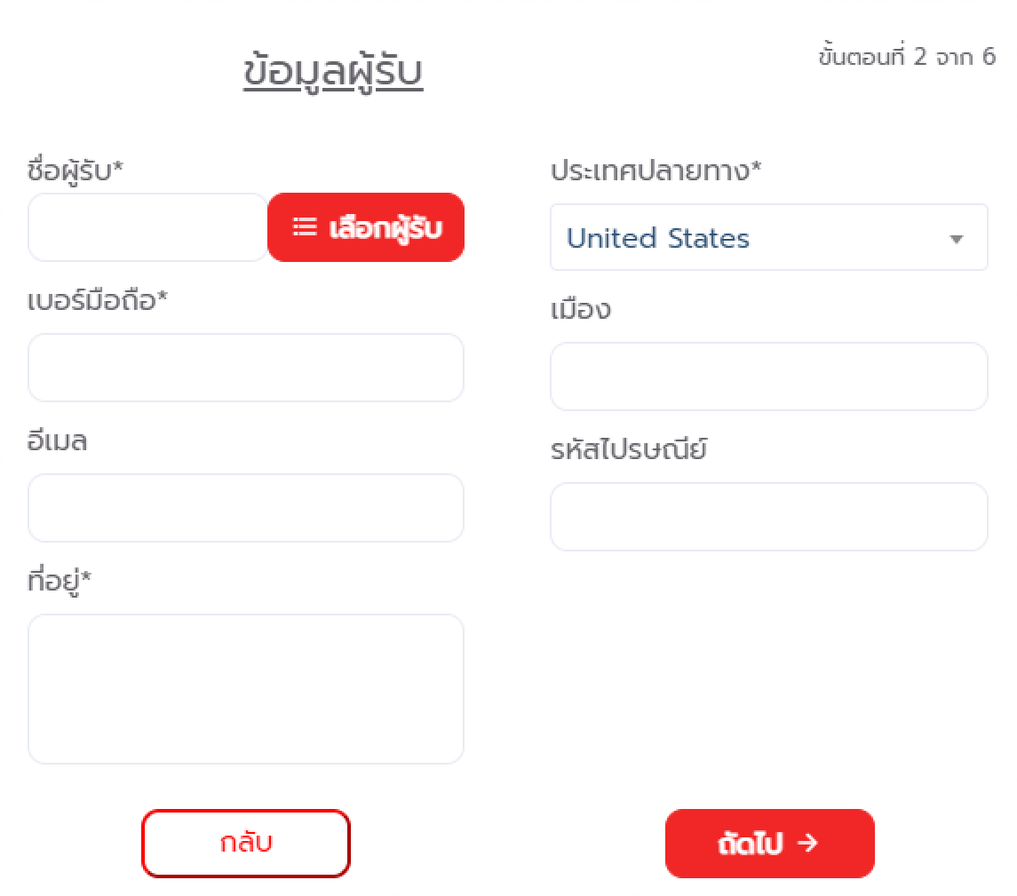
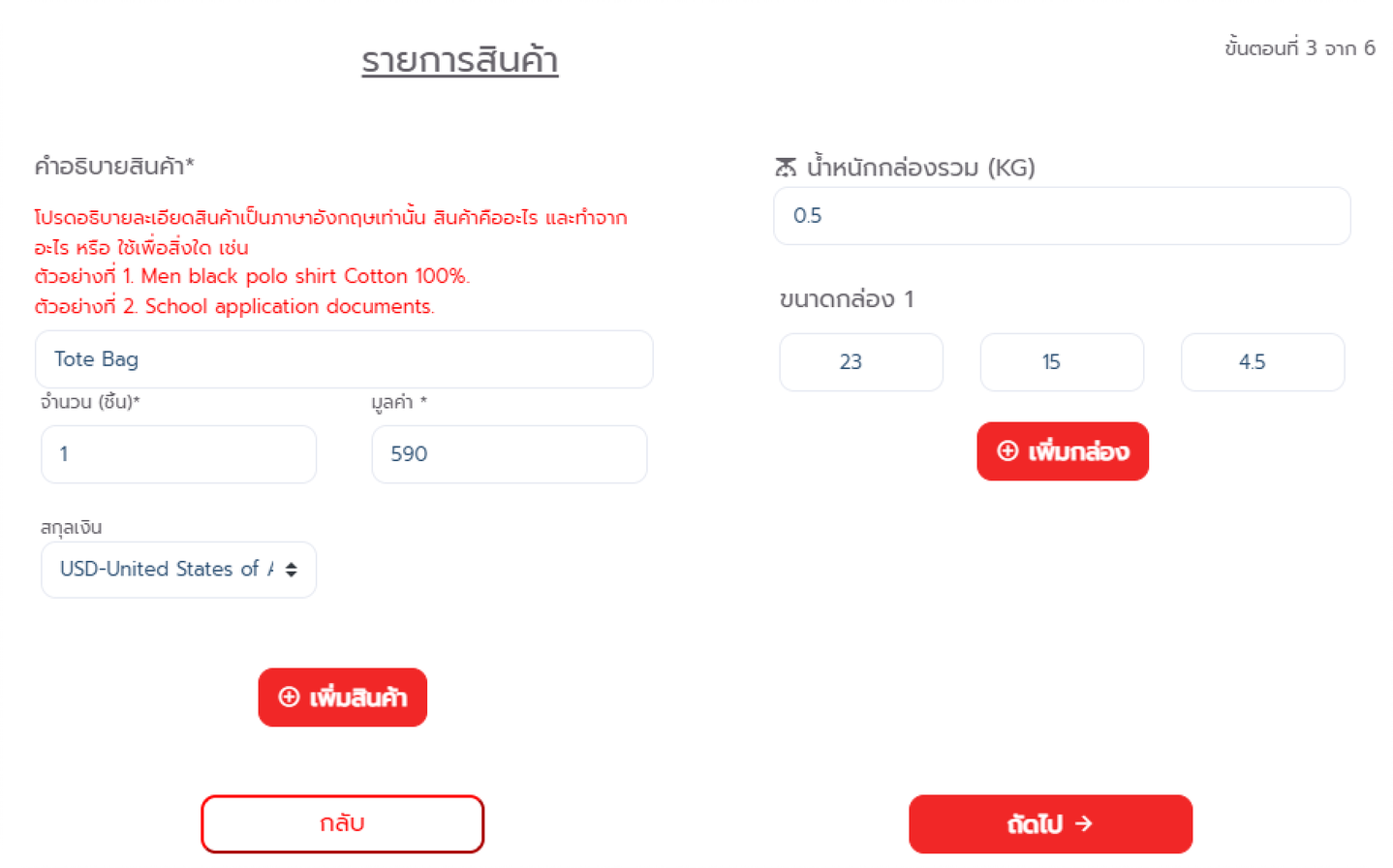
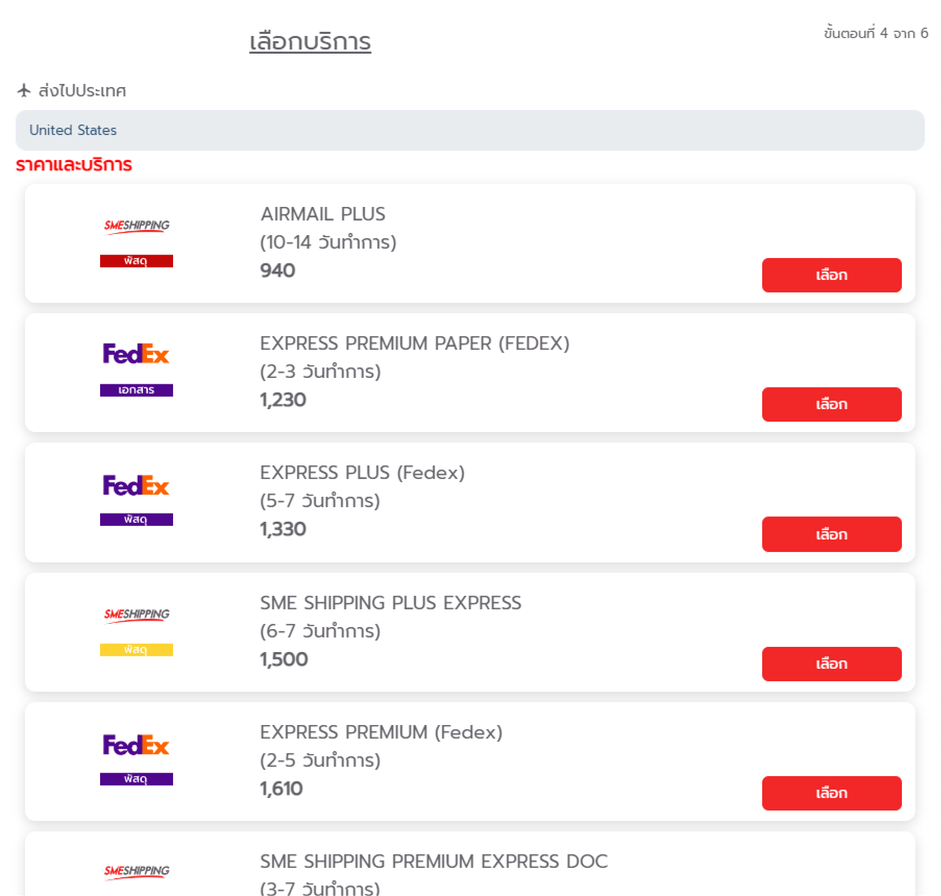
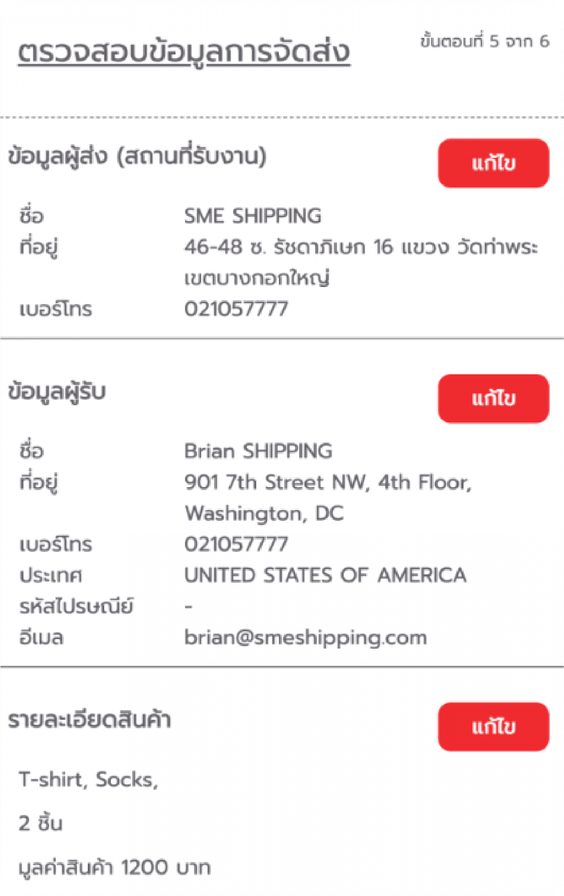
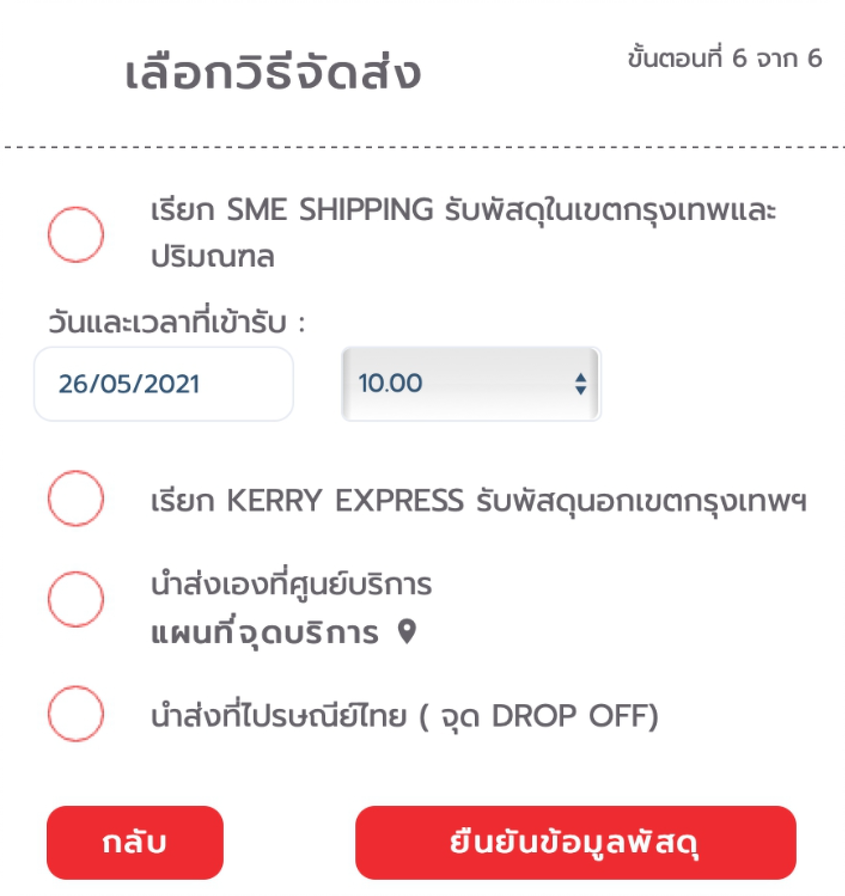
Getting started with shipping your goods is easy.

MORE CONVENIENCE, MORE SPECIAL OFFERS, and to SAVE MORE

Import tax in Chile.

Import tax in Chile.

Sending goods to Chile. (Chile)


Taxes and import duties for shipping goods to Chile.


Overview 

When shipping goods to Chile, the recipient is required to pay import duties, regardless of whether the goods are for personal or commercial use.
The CIF (Cost, Insurance, and Freight) assessment method involves calculating duties and taxes on the full value of the imported goods, including the cost of the goods, insurance, and freight. In addition to duties, shipments to Chile are also subject to sales tax and a luxury tax or beverage tax.


Tax and duty rates in Chile.

Shipments to Chile are subject to customs duties, which are levied on all types of goods. The average customs duty in Chile is 6 %.

Sales tax in Chile.

Shipments to Chile will be subject to Value Added Tax (VAT) at a rate of 19% on the total CIF value plus duties.


Minimum taxes and duties in Chile.


Chile calculates minimum duties based on the FOB price (meaning the value of the goods only). This means that shipments to Chile with a value of USD 30 or less are exempt from duties and classification charges, but Value Added Tax (VAT) still needs to be paid.


Other taxes and customs fees in Chile.

  • Shipping to Chile is subject to a classification charge, levied at a rate of 1% of the CIF price if the FOB price exceeds USD30.
  • Luxury tax is calculated based on the CIFD (Cost of Fifth of Imported Goods), which is the full value of the imported goods including the cost of the goods, insurance, and transportation, plus duties (CIF + Duty). The duty is levied at a rate of 15% for goods such as jewelry and 50% for goods such as fireworks.
  • Beverage tax is calculated based on the CIFD amount, which is the full value of the imported goods including the cost of the goods, insurance, and transportation, plus the duty (CIF + Duty) levied at rates of 13%, 15%, and 27% for alcoholic beverages.

Location and contact information for the Chilean Customs Department.

Further information regarding import procedures and restrictions on sending goods into Chile can be found on the Chilean Customs website:  https://www.otc-global.com/en/south-america/chile/moving-to-chile/customs-regulations-in-chile

How to send goods to Chile.

For shipments to Chile, SME SHIPPING provides document and parcel delivery services via DHL EXPRESS, FEDEX EXPRESS, TNT EXPRESS, Global Mail, and international sea freight.

Getting started with shipping your goods is easy.

MORE CONVENIENCE, MORE SPECIAL OFFERS, and to SAVE MORE

Import tax in Brazil

Import tax in Brazil

Sending goods to Brazil.Brazil)

Import taxes and duties for items entering Brazil.


Overview

When shipping goods to Brazil, the recipient is required to pay import duties, regardless of whether the goods are for personal or commercial use.  
The CIF (Cost, Insurance, and Freight) assessment method involves calculating duties and taxes on the full value of the imported goods, including the cost of the goods, insurance, and freight. In addition to duties, shipments to Brazil are subject to local taxes such as State Sales Tax (ICMS), Federal Tax (PIS PASEPCOFINS), and Excise Tax (IPI), which are specific to the goods. Furthermore, there are storage fees, air handling fees, airport fees, and customs declaration fees.


Tax rates in Brazil.

Import duties in Brazil vary from 0% to 35%, with an average rate of 16.96%. However, Brazil uses a simplified tax regime for import duties. For example, for shipments to Brazil valued between USD50 and USD3,000, the import duty is levied at a fixed rate of 60% on the CIF (Cost, Infrastructure, Fuel) value of the goods.


Sales tax in Brazil

ICMS stands for State Sales Tax. Therefore, the tax rate varies by state in Brazil, which is divided into three groups across all states. The tax rate depends on the group each state belongs to. The rates are as follows:

  • Group 1 = 17%
  • Group 2 = 18%
  • Group 3 = 19%

The group above comprises the following states:

Group 1 = AC, AL, AM, AP, BA, CE, DF, ES, FN, GO, MA, MS, MT, PA, PB, PE, PI, RN, RO, RR, RS, SC, SE, TO Group 2 = MG, PR, SP
Group 3 = RJ

ICMS is calculated based on the CIF price, including duties, excise taxes, and federal taxes as applicable. 
With its simplified tax collection system, ICMS collects taxes at a rate of 18% on the total CIF price.
And calculate import tax based on goods valued between USD50 and USD3,000.


Minimum taxes and duties in Brazil.

There is no minimum duty in Brazil. Shipments to Brazil via post (online or by phone) with a value not exceeding USD 50, provided both the sender and recipient are individuals, are exempt from duties.


Other taxes and customs fees in Brazil.

IPI (Federal Excise Tax) is a specific tax levied between 0% and 300% and calculated based on the CIF price. PIS, PASEP, and COFINS are specific taxes calculated based on the CIF price plus duties and IPI, if applicable.

  • Storage Fee: 1% of the CIF price and duties.
  • Air Handling Fee: BRL 0.015 per kilogram
  • Airport Fee: 50%, calculated from the total amount of storage fees and air handling fees.
  • Declaration Fee: Collected at a flat rate of BRL 30 per trip.


Location and contact information for the Brazilian Customs Department.

Further information regarding import procedures and restrictions on shipments to Brazil can be found on the Brazilian Customs website:  http://pretoria.itamaraty.gov.br/en-us/customs_regulations_in_brazil.xml


How to send goods to Brazil.

For shipments to Brazil, SME SHIPPING provides document and parcel delivery services via DHL EXPRESS, FEDEX EXPRESS, TNT EXPRESS, Global Mail, and international sea freight.

Getting started with shipping your goods is easy.

MORE CONVENIENCE, MORE SPECIAL OFFERS, and to SAVE MORE

Import taxes in Argentina.

Import taxes in Argentina.

Sending goods to Argentina.

Taxes and import duties for shipping goods to Argentina.


Overview

When shipping goods to Argentina, the recipient is required to pay import duties, whether the goods are for personal or commercial use. The assessment method is based on the CIF (Cost, Insurance & Freight) price, meaning duties and taxes are calculated on the full value of the imported goods, including the cost of the goods, insurance, and freight. In addition to duties, shipments to Argentina may also incur sales tax, statistical fees, and certain special taxes.

Tax and duty rates in Argentina.

Shipping to Argentina is subject to variable customs duties ranging from 0% to 35%, with an average rate of 22.27%. However, some items can be imported duty-free, such as books.

Sales tax in Argentina

Goods shipped to Argentina are subject to Value Added Tax (VAT). This tax is levied on all imported goods at a standard rate of 21%, or at a reduced rate between 0.% and 10.5%. Import duties are calculated based on the CIF price, specified fees (Statistical Tax), and any additional special taxes (if applicable).

Minimum taxes and duties in Argentina.

In Argentina, there is no minimum customs duty rate. Therefore, all shipments to Argentina are subject to customs duties regardless of the value of the goods.

Other taxes and customs fees in Argentina.

Shipping to Argentina will incur a statistical fee of 0.05% on all imported goods, calculated based on the CIF price. The maximum fee per import is USD500.00.

Location and contact information for the Argentinian Customs Department.

Further information regarding import declaration procedures and restrictions on shipments into Argentina can be found on the Argentinian Customs website:  https://www.otc-global.com/en/south-america/argentina/moving-to-argentina/customs-regulations-in-argentina


How to send something to Argentina.

For shipments to Argentina, SME SHIPPING provides document and parcel delivery services via DHL EXPRESS, FEDEX EXPRESS, TNT EXPRESS, Global Mail, and international sea freight.

Getting started with shipping your goods is easy.

MORE CONVENIENCE, MORE SPECIAL OFFERS, and to SAVE MORE

Import tax in South Korea

Import tax in South Korea

Import taxes and duties for shipping goods to South Korea.

Overview

When shipping goods to South Korea, the recipient is required to pay import duties and taxes, whether the goods are for personal or commercial use. The assessment method is based on the CIF (Cost, Insurance & Freight) price, meaning duties and taxes are calculated on the full value of the imported goods, including the cost of the goods, insurance, and freight. In addition to duties, shipments to South Korea may also be subject to sales tax, education tax, STRD tax (Standardized Revenue Tax), transportation tax, special consumption tax, and in some cases, liquor tax.

South Korean tax and duty rates.

South Korea levies variable tariffs ranging from 0% to 40%, with an average rate of 4.17%. 
Certain types of items can be shipped to South Korea without paying customs duties, such as books.
 

Sales tax in South Korea

Shipments to South Korea are subject to Value Added Tax (VAT) at the standard rate of 10%, calculated on the total CIF (Cost, Inclusive of Tax) price plus duties and other taxes (if any).

Minimum taxes and duties in South Korea.

Goods shipped to South Korea are calculated on a CIF (Cost, Inclusive of Tax) basis. Shipments with a value not exceeding KRW 150,000 are exempt from customs duties and VAT.

Other taxes and customs fees in South Korea.

Shipments to South Korea are subject to a Special Consumption Tax (SCM) on specific goods at a rate determined by the Ad Valorem method, ranging from 5% to 20% of the total CIF price plus duties. Some goods may have additional tax calculations, such as those based on specific units of measurement.

STRD (Special Tax for Rural Development) is a tax levied on specific goods at a rate of 10% of the Special Consumption Tax.

Transportation tax is levied based on the quantity of imported goods.

Liquor tax is levied on imported alcoholic beverages at a rate between 5% and 72%, calculated based on the total CIF price plus duties, or using special methods such as per kilogram.

The Education Tax is levied at a rate between 10% and 30%, using one of the following tax bases: Special Consumption Tax, Liquor Tax, or Transportation Tax.

Location and contact information of the South Korean Customs Department.

Further information regarding import procedures and restrictions on sending goods into South Korea can be found on the South Korean Customs website:  https://www.customs.go.kr/english/main.do

How to send goods to South Korea.

For shipments to South Korea, SME SHIPPING provides document and parcel delivery services via DHL EXPRESS., FEDEX EXPRESS, TNT EXPRESS, Global Mail, and international sea freight services.

Getting started with shipping your goods is easy.

MORE CONVENIENCE, MORE SPECIAL OFFERS, and to SAVE MORE