


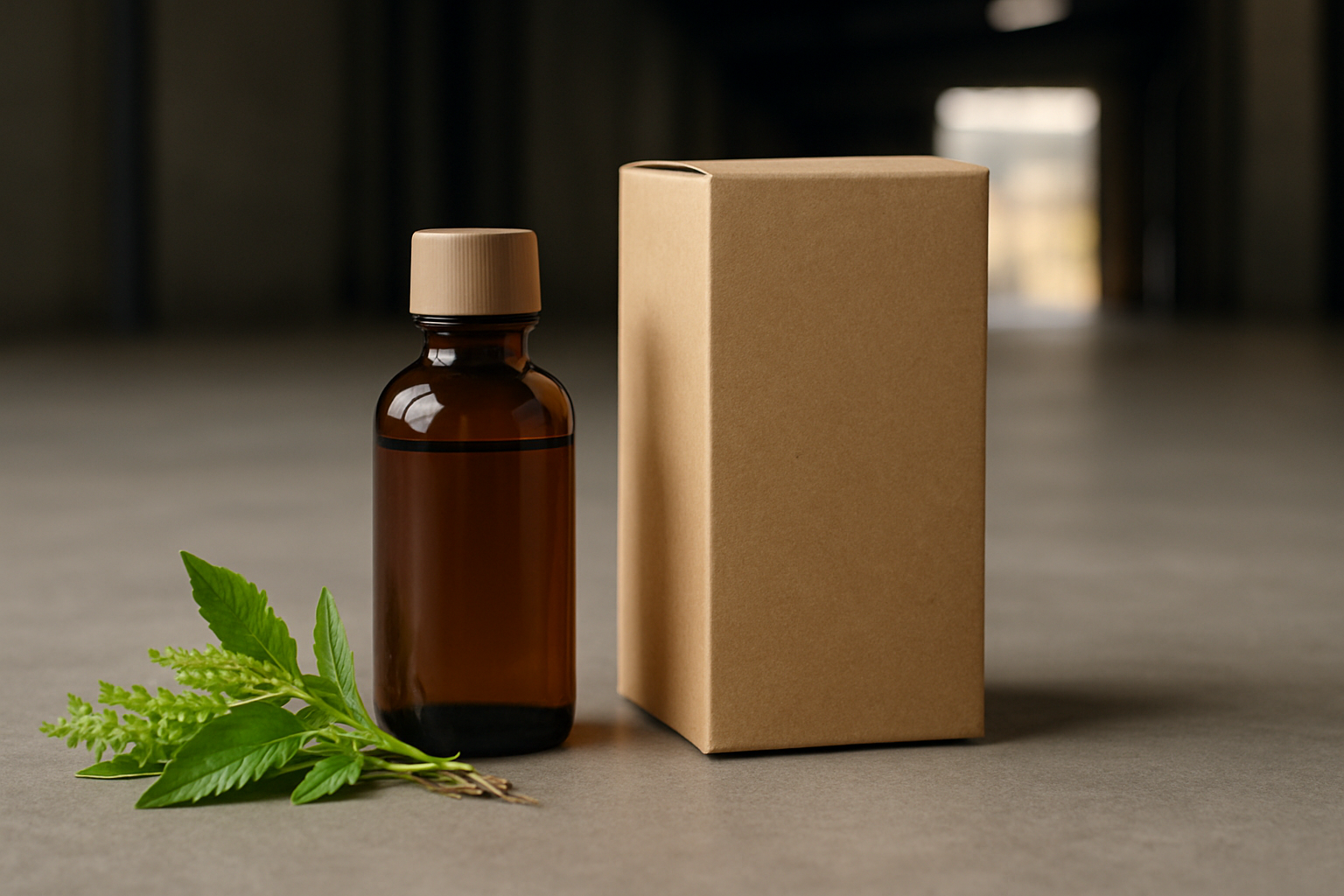
If you manufacture or export herbs, essential oils, or spa products,Exporting Thai herbs to Austria.It might seem like an attractive opportunity. The Austrian wellness market is valued at approximately US$18.2 billion in 2025 and is projected to continue expanding. But before you start looking for importers or packing up containers, there's one thing you need to understand clearly: the EU Cosmetics Regulation and the accompanying documentation.
Why is Austria attractive for Thai herbs and spas?
Austria is one of the most renowned wellness tourism markets in Europe. Consumers there value natural products, transparency in sourcing ingredients, and holistic wellness, which aligns with the strengths of Thai herbal products.
In 2024, Austria imported essential oils worth approximately US$70.9 million, ranking among the world's top 20 importing countries. Meanwhile, Thailand exported skincare and spa products, including essential oils and extracts, totaling nearly US$887 million in the same year. These figures indicate the existence of the market, but they don't guarantee ease of entry.
The first hurdle to pass: EU Cosmetics Regulation (EC) No 1223/2009
This is the main law that governs all cosmetic and personal care products to be sold in the European Union, including Austria. Whether it's skin creams, massage oils, herbal lip balms, or foot soaks, if your product falls under the definition of a “cosmetic product,” you must go through the prescribed procedures before it reaches consumers.
A common misconception is that natural or herbal products automatically pass inspection. However, being natural doesn't automatically mean it's safe in the eyes of the EU, nor does it exempt it from any regulations.
Documents required before exporting Thai herbs to Austria.
actionExporting Thai herbs to Austria.For the importer to accept, you must have this complete set of documents ready:
- Product Information File (PIF) — Product data files that must be kept in the European Union cover ingredient formulas, manufacturing methods, and safety test results.
- Safety Assessment Report — A safety assessment report that must be prepared by experts qualified according to EU standards.
- CPNP Notification — Notifying product information through the EU's Cosmetic Products Notification Portal prior to launch.
- Responsible Person (RP) in the European Union — There must be a legally responsible individual or entity in Europe; Thai exporters cannot be RP (Registered Responsible Person) themselves.
- German label — Austria uses the German language. Labels must fully specify the ingredients (INCI names), expiration date, instructions for use, and RP information.
- Documentation of the source of raw materials — European importers often request a Certificate of Origin and supply chain documentation, especially if you claim your product is organic or natural.
Regarding claims about product efficacy: The point to be most cautious about.
If you write “reduces inflammation” or “treats skin diseases” on your packaging, your product might be reclassified as a drug, which has a much more complex and time-consuming registration process. Claims on cosmetic products must fall within EU guidelines, such as “helps moisturize” or “provides a soothing sensation,” and must be supported by scientific evidence if investigated. No matter how good Thai herbal remedies are, without supporting data, most European importers will not take that risk.
Which Thai products have a good chance of success in this market?
Not all products exported will easily enter the market. Products with suitable potential for the Austrian market in this category include:
- Essential oils from Thai plants such as lemongrass, clove, and ginger, with clearly documented extraction and purity methods.
- Spa products used in hotels or service establishments may have different regulations than direct retail sales.
- Skin care products that use internationally renowned Thai herbal ingredients such as turmeric, tamarind, or ginger.
- Salt and bath products that have been tested and have complete PIF documentation.
Products that make claims beyond what the EU permits or contain ingredients on the EU Cosmetics Regulation's prohibited list may be rejected at customs or removed from shelves without prior notice.
What should you check before finding an importer?
A good European importer will always ask you about the documents first. If you don't have the answers, the negotiations might stop there. Things to prepare before starting contact with an importer:
- A list of all ingredients in INCI format, along with their concentrations.
- Product safety and stability test results.
- An example of a label in German, or at least a translated draft label.
- Production data according to GMP standards or equivalent.
- The name and information of the Responsible Person you will be using in Europe.
If you don't already have a Letter of Responsibility (RP) in Europe, there are several third-party companies that offer RP services. Costs and conditions vary depending on the size and quantity of the product. You should inquire and compare prices before making a decision.
In terms of logistics and customs classification.
actionExporting Thai herbs to Austria.In terms of logistics, there isn't a special route that differs significantly from general shipments to Europe. Most shipments pass through major European ports like Hamburg or Rotterdam, then are transported overland to Austria. What you need to be careful about is that customs documentation must comply with the correct HS Code, as essential oils, cosmetics, and plant extracts have different HS Codes and import duties. It's advisable to consult with a customs expert before preparing the documents. For basic information on export logistics to Europe, please see [link/reference]. smeshipping.com
In summary, for those who are thinking of starting.
The wellness market in Austria is real and has growth potential, but...Exporting Thai herbs to Austria.It's not just about having a good product or competitive pricing. It always starts with documentation and regulatory readiness. If you don't have a PIF (Proforma Intake), a Safety Assessment, or a Responsibility Record (RP) in Europe, rushing to find an importer can unnecessarily waste time for both parties. Plan your documentation first, then move on to market and distribution channels.
Source: Department of International Trade Promotion (DITP), Trade Promotion Office in Vienna.
Exporting Thai herbs: Check the conditions before making a decision.
Exporting Thai herbs should begin with thoroughly checking all necessary documents, costs, and destination conditions before confirming the price. Then, use the topic of exporting Thai herbs in discussions with the buyer to confirm responsibilities and deadlines.
Before actually shipping, you should review the export specifications, required documents, and responsible party at the destination again, as the details for exporting Thai herbs may vary depending on the market and trade conditions.
For more official information, please check: Related sources of information



 English
  Thai
Thai