


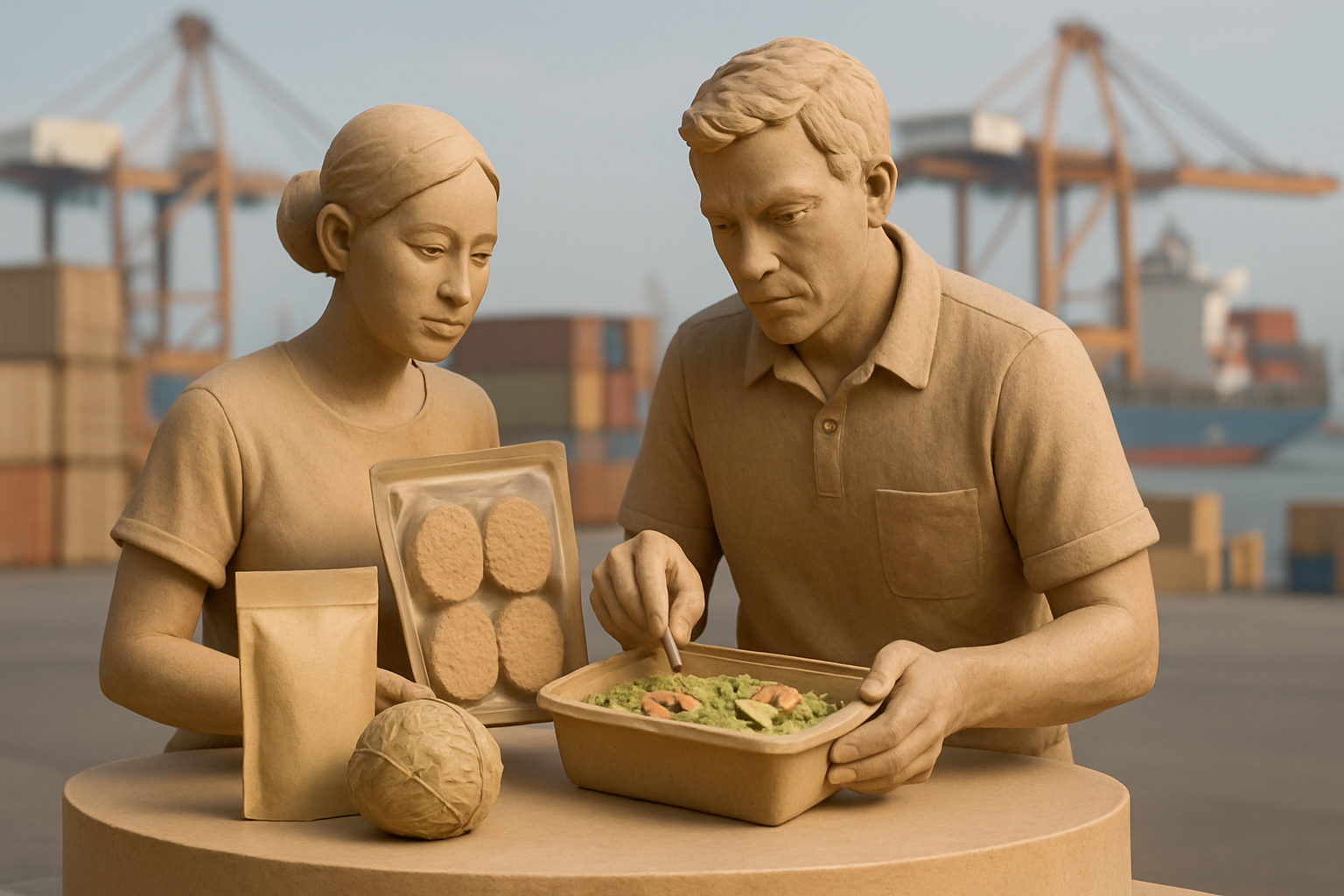
The healthy food market in Mexico is quietly changing the game. It's not just a passing trend, but a significant shift in consumer behavior in major cities like Mexico City, Monterrey, and Guadalajara. These urban workers aren't just after delicious food; they want it fast, convenient, and healthy. If you export processed foods, frozen foods, or plant-based products, this is something worth watching more than you might think.
Mexico is no longer just about getting cheap food.
What has clearly changed is that supermarkets in Mexico are expanding their space for ready-to-eat and plant-based products. This isn't because of a trend, but because a new generation of consumers, who are flexitarians—eating less meat and turning to plant-based foods—are increasingly interested in environmentally friendly sources, production methods, and packaging.
For Thai SMEs, this signal is interesting because Thai food already has strengths in these areas, whether it's natural ingredients, herbs, coconut, rice, or dried fruits. However, having a good product alone isn't enough, because this market is also competitive in terms of brand image and transparency.
Which Thai products might be able to enter this market?
Based on the signals from the Mexican market, the product group that offers more opportunities than others is:
- Ready-to-eat meals such as pre-made curries and ready-to-eat soups.
- Healthy frozen meals made with natural ingredients.
- Healthy drinks such as coconut water and unsweetened fruit juice.
- Dried or processed fruits that do not contain preservatives.
- Plant-based products that use rice or coconut as raw materials.
- Healthy plant-based snacks from Thailand.
However, it's important to emphasize that this is a commercial signal. There is no clear information on import regulations or labeling standards from this source, so further preparation is required.
Things to check before sending goods to Mexico.
Mexico has recently implemented stricter food labeling systems, particularly the Front-of-Pack Warning Label system, which uses an octagonal symbol to warn consumers about high sugar, sodium, and fat content. This may affect products that have not yet been reformulated or labeled. It is always advisable to verify this with importers in Mexico or local legal counsel beforehand.
Additionally, there are SPS (Sanitary and Phytosanitary Measures) regulations that Mexico applies to imported food products, which depend on the type of product and ingredients. It's best to check with the relevant agencies, SENASICA and COFEPRIS, which oversee these matters.
Checklist for preparing to penetrate the healthy food market in Mexico.
- Product label: Check that the label is in Spanish and complies with Mexico's NOM system, including a warning label if the product exceeds the recommended sugar, sodium, or fat limits.
- Ingredients and additives: Products containing preservatives or artificial colors may need to have their formulas adjusted before entering the market, as younger Mexican consumers read labels more carefully.
- Import documents: Health Certificate from the Department of Livestock Development or the Thai Food and Drug Administration (FDA), Certificate of Origin (CO), and Phytosanitary Certificate for plant-based products.
- Cold Chain: If shipping frozen or chilled goods, temperature control is crucial throughout the journey, from factory to destination. The Thailand-Mexico route is lengthy, so it's advisable to check with an experienced freight forwarder specializing in this route.
- Packaging: Mexican consumers are increasingly prioritizing environmentally friendly packaging. If your product still uses thick plastic, it could negatively impact your image in this market.
- Distribution channels: We still need to find an importer or distributor in Mexico who specializes in health food products, because directly entering supermarkets without a local agent is difficult.
- taste: Spicy Thai food may need to be adjusted to suit Mexican consumers. Market testing should be done before mass production.
There are still areas in the logistics process that need further planning.
The route from Thailand to Mexico is not short. Sea freight typically takes around 30-40 days, depending on the destination port, such as Manzanillo or Veracruz. If the goods are frozen or chilled, cold chain costs will be significantly higher than for shelf-stable goods, and there is also the risk of temperature fluctuations during transit.
For goods that can be stored at room temperature, such as dried fruit, snacks, or canned food, logistics costs are easier to manage and the risk during transit is lower. If you've never shipped anything to Mexico before, consider researching more information from international trade resources such as... smeshipping.com To understand the route and costs before making a decision.
Adjust the product or wait and see?
If you already have a product that aligns with this trend, such as processed foods made with natural ingredients, no preservatives, and in clean packaging, the signals from the Mexican health food market indicate that the market direction is favorable for such products. However, if your product still requires significant formula or labeling adjustments, the cost of these adjustments may be higher than expected.
The first thing you should do is find an importer in Mexico who truly understands the health food market and have them help assess what adjustments your product needs to be made to meet regulations and actually reach consumers. Don't rush into large-scale production without knowing whether the labeling will pass.
Summary of signals to watch.
The healthy food trend in the Mexican market shows clear commercial potential, but concrete regulatory and logistical data is lacking. Therefore, if you're interested in penetrating this market, the first step isn't increased production, but rather deeper market research. Examine labeling and import requirements, and find local partners with real expertise in the distribution channels.
This market presents opportunities for well-prepared Thai products, but it also carries risks for those who rush in without knowing the rules.
Source: Department of International Trade Promotion (DITP) / Thai Trade Center, Mexico City.
Healthy Food Market: Check the conditions before making a decision.
The healthy food market should begin with a thorough review of documentation, costs, and end-use conditions before confirming the price. Then, use the healthy food market as a topic of discussion with the buyer to confirm responsibilities and deadlines.
Before actually shipping, review the product specifications, documentation, and responsible party at the destination again, as the details of the health food product may vary depending on the market and trade conditions.
For more official information, please check: Related sources of information



 English
  Thai
Thai