กุ้งนำเข้าสหรัฐและเอกสาร traceability ที่ผู้ส่งออกไทยควรเตรียม

US Shrimp Import Laws: 5 Documentary Points Thai Exporters Should Check Before Shipment

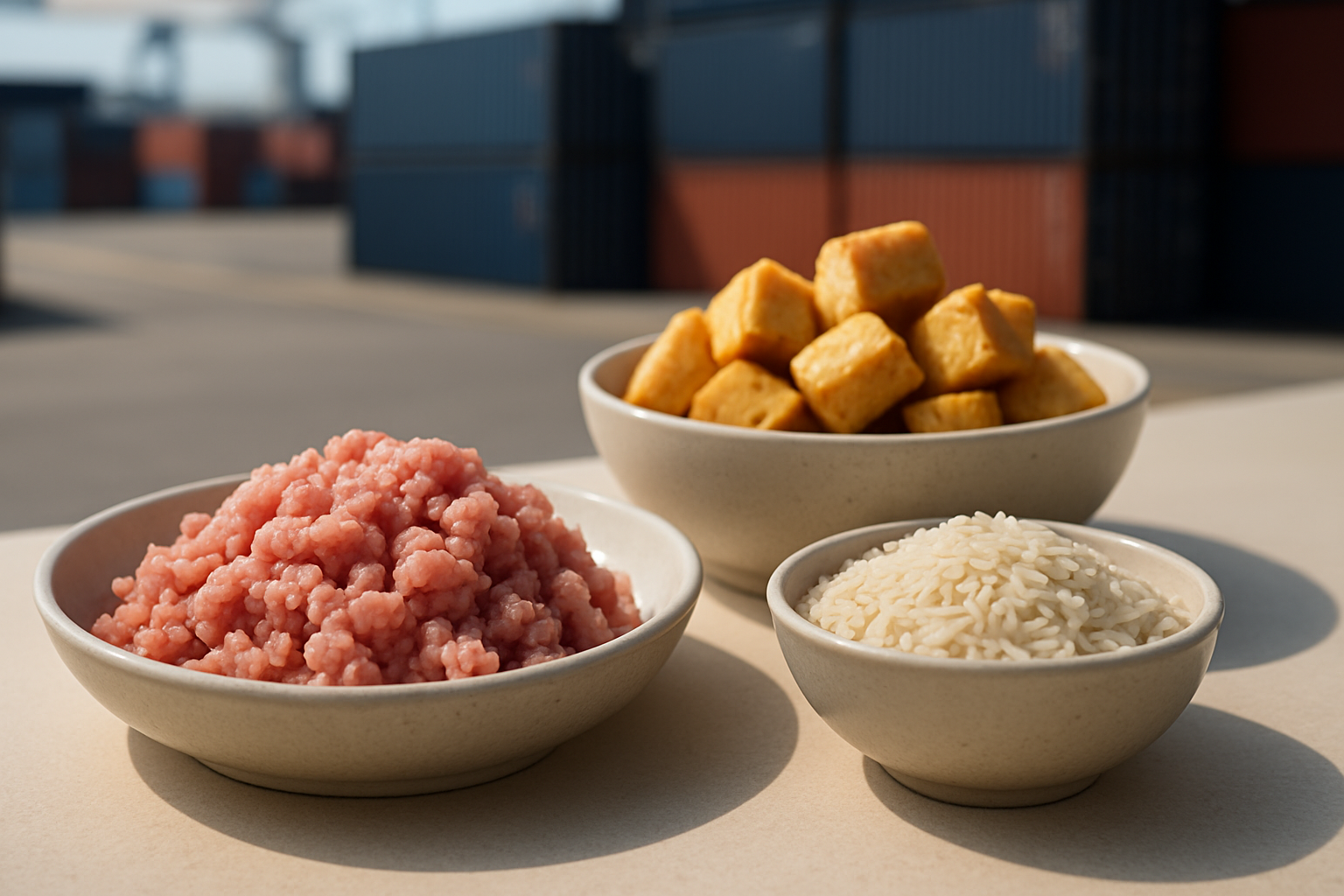
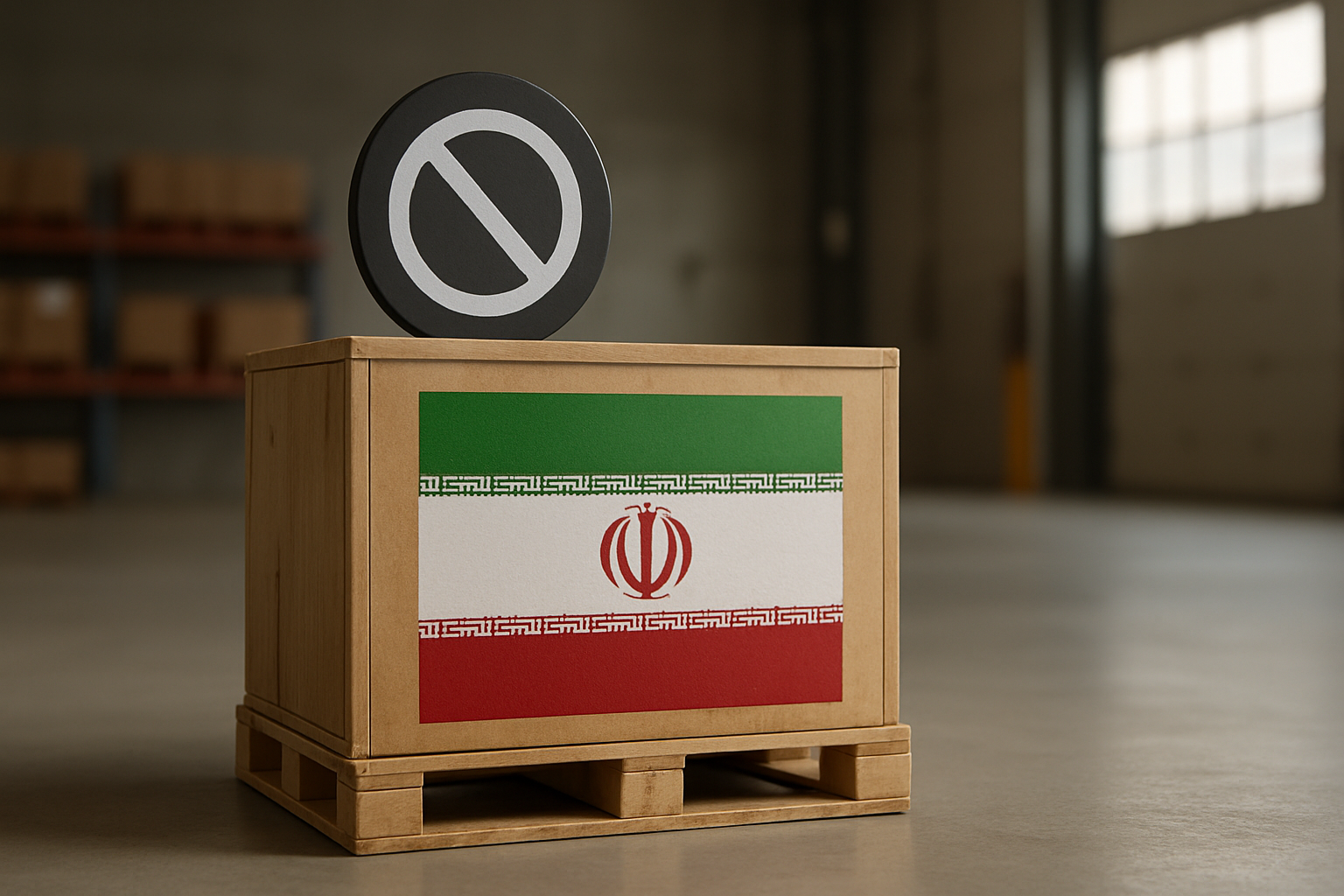
If you're currently shipping shrimp to the US, or are about to start, there's one thing I want you to know before encountering problems at the destination: Shrimp imported from the United States. With several states beginning to require restaurants and downstream retailers to clearly disclose the source of the shrimp they sell, this isn't yet federal law, but the signals emerging at the state level, in areas like Georgia and elsewhere, suggest something you shouldn't ignore.

Why is this not just another piece of legal news?

I understand that when people see news about foreign laws, they often think, "It hasn't affected us yet," or "Let's wait until it's clear." But the problem is, in the seafood export business, if you wait for clarity before preparing, it's often too late. What happens at the state level usually dictates the direction the mid-level regulations will take. More importantly, importers and supermarkets in the US often adjust their requirements based on market pressure even before the law is actually enforced.

Simply put, if your US business partners start asking for documents you haven't prepared, you'll waste time and potentially lose customers. Not because your product is bad, but because the documentation is incomplete.

Real signals occurring in the US market.

What's happening in many US states right now is a trend towards prioritizing... Transparency in the food chain. More and more, especially regarding imported shrimp, some states have begun requiring restaurants or establishments to display information indicating that the shrimp they sell is imported from foreign countries, and some areas are even considering requiring clearer specification of the country of origin.

For Thai exporters, this doesn't mean the US is closing its market to imported shrimp, but it indicates expectations regarding... traceability Or, with increased traceability of product origins, if you continue shipping goods the old way without complete documentation, you might encounter unexpected problems at the destination.

Importing shrimp to the US: 5 documents to check before shipment.

I've compiled a list of key points that Thai seafood exporters should check before their destination asks for them. It's not a list of things to do all at once today, but a framework to understand where they stand.

  1. Origin Document or document showing the origin of the product. — Documents confirming that your shrimp originated from Thailand, whether a Certificate of Origin or other documents required by the importer, should be prepared completely and accurately according to the information in the entire export documentation.
  2. Lot tracking, or the identification of a product batch. — Importers in the U.S., especially large ones that sell to supermarkets or restaurant chains, often want to know which farm a batch of shrimp came from, where it was processed, and the date. If you don't already have a clear lot tracking system, this is where you should start.
  3. Health Certificate or hygiene certificate — This document is issued by an authorized agency in Thailand, such as the Department of Fisheries, and may be inspected by the U.S. FDA at import customs. Please ensure your document is current and covers the actual goods being shipped.
  4. Quality and production standards information. — If you have certifications such as BAP, ASC, or GlobalG.AP, you should have these documents ready and inform your business partners, as in some cases it can significantly reduce risk at the end point.
  5. Communicating with importers in advance. — Before shipping any goods, always ask the importer if they have any new requirements, especially if they sell to customers in states with volatility regarding import laws for shrimp. Asking in advance is better than trying to solve problems after the goods arrive at their destination.

The risks are if you keep doing the same thing.

A common problem I see in the seafood export business is that owners often assume that if they've been shipping without problems for years, their system is fine. But the reality is that the US market is quietly changing its expectations regarding documentation and traceability. If one day your importer is pressured by end customers to provide information you don't possess, you might lose orders without even realizing it's due to this.

Another risk is that if your documentation is incomplete or inconsistent, the FDA may detain the goods at the point of import. This means escalating costs, including storage fees, additional inspections, and damage to your relationship with your business partners.

The mindset I recommend for Thai exporters.

I'm not telling you to panic about every piece of news about new laws, because some things are still unclear about the extent and timing of their enforcement. But what you can do now, without waiting for the laws to become clear, is... Check if your current documents are complete. and Talk to the importer to see if they need anything else.

If you're unsure where to start planning international shipments during a period of changing destination regulations,Plan international shipping.Having everything planned out thoroughly from the start—including documents, routes, and timelines—often helps reduce risks at the destination more than trying to fix problems after departure.

Ultimately, the issue of US shrimp imports and this traceability trend isn't a signal that the market is closing down, but rather that the game is changing, and those who are prepared will be in a better position than those who wait for clarity before acting.

Source: DITP Department of International Trade Promotion / Office of International Trade Promotion in Miami, USA Read the original source information.

Kenya border และความเสี่ยงโลจิสติกส์สำหรับ SME ไทย

Kenya Border Risk: 5 Essential Checks Before Thai SMEs Ship Goods

Kenya border The tightening of controls due to the Ebola risk might seem like public health news, but from a business perspective, it's a signal for Thai businesses to check routes, travelers, trucks, and check-in times at border crossings more carefully.

Data from DITP indicates that Kenya has stepped up screening at border crossings following a risk of an Ebola outbreak in a neighboring country. A national emergency management system, rapid response teams, and increased screening of travelers, including large numbers of trucks, have been implemented.

What does the Kenyan border tell Thai SMEs?

Kenya is one of East Africa's key trade gateways. Many goods don't end up in Kenya; they can continue on to Uganda, Rwanda, the Democratic Republic of Congo, or South Sudan. With tightened border controls, the impact could therefore be on waiting times, road routes, and the certainty of delivery schedules.

For Thai SMEs selling food, beverages, consumer goods, hygiene products, hotel supplies, or restaurant supplies, this news doesn't mean they have to stop selling. Instead, they should clarify with their partners and forwarders which customs clearances the goods are passing through, whether they need to allow extra time, and whether the recipient is ready to receive the goods as scheduled.

5 Essential Checks Before Shipping Goods to East Africa

  • Which checkpoints did the goods pass through along the route, and are there any additional screening measures in place at those checkpoints?
  • Do the trucks, drivers, or passengers need to undergo additional screening?
  • How many days of buffer time should be allowed for products with a limited shelf life?
  • Does the end customer have a plan to receive the goods and documents on the delayed date?
  • Are there alternative routes or transportation providers in case of border congestion?

Shipping and documentation aspects that shouldn't be overlooked.

As border controls become stricter, basic documentation needs to be clearer, such as invoices, packing lists, product details, country of origin, and consignee information. If the goods involve food, hygiene, or require certifications, check what additional documents the buyer needs before releasing the shipment.

Another important aspect is communication with the recipient. If the goods are delayed, the recipient must be informed in advance and able to prepare, especially for perishable items, temperature-sensitive products, or items used in events, hotels, and restaurants.

Next thing to read:

In summary, stricter border measures are not a sign of panic, but rather a signal to plan more carefully. If you have orders to East Africa, it's best to check the route, border checkpoints, documents, and alternative delivery times well in advance of the actual shipment, rather than trying to solve problems while the goods are in transit.


Source: DITP Read the original source information.

UAE GDP และโอกาสส่งออกสินค้าไทยในตลาดตะวันออกกลาง

UAE GDP: 5 points Thai SMEs should check before entering the market.

UAE GDP The strong growth is a signal that Thai SMEs should interpret beyond the numbers, because it doesn't just indicate that the UAE economy is expanding, but that the country is experiencing increased growth from non-oil sectors, including trade, construction, finance, real estate, transportation, and emerging industries.

Data from DITP indicates that the UAE's real GDP is projected at US$517 billion in 2025, growing by 6.21% of GDP per trillion, while the non-oil economy grows by 6.81% of GDP per trillion. This picture shows that the UAE is not just a high-purchasing power market, but also a key trade link to the Middle East, Africa, and South Asia.

What does UAE GDP tell Thai exporters?

When the construction, trade, and transportation sectors grow simultaneously, the demand for goods is not limited to basic construction materials but also includes decorative materials, energy-saving equipment, furniture, building accessories, lifestyle products, premium food, health and beauty products, and logistics support systems.

For Thai SMEs, the opportunity lies in choosing product categories that align with market drivers, rather than broadly exporting products and hoping for sales. The UAE is a global market with diverse options, and customers consider standards, brand storytelling, documentation readiness, and delivery capabilities.

5 things to check before entering the UAE market.

  • How clearly does the product meet the needs of the construction, premium, health, lifestyle, or logistics markets?
  • Are Halal standards, certifications, or specific documents required?
  • Do you have any verifiable local distributors or partners yet?
  • Are the shipping costs, taxes, and destination conditions fully calculated?
  • Should we start with a trial batch or limited SKUs before expanding into the market?

Shipping and documentation aspects that shouldn't be overlooked.

The UAE has a well-developed logistics system, but that doesn't mean shipping is easy without any preparation. Exporters should carefully check the HS code, commercial invoice, packing list, relevant certificates, English-language labels, and Incoterms before quoting, because what seems profitable on paper may result in lower profit margins when final costs are included.

For food products, cosmetics, construction materials, or goods requiring specific standards, it's crucial to discuss these matters with importers and freight forwarders from the outset, rather than waiting for an order to be placed and then checking documentation. This market prioritizes reliability and timeliness.

Next thing to read:

In summary, the strong GDP growth in the UAE doesn't mean that every product will sell immediately, but it signals that the market still has purchasing power and a ready structure for well-prepared entrepreneurs. If you're going to start, begin with a few products that have a clear selling point, have ready documentation, and a realistically calculated logistics plan.


Source: DITP Read the original source information.

The Vietnamese milk market is still growing, but remains heavily reliant on imports: What should Thai businesses consider?

At first glance, this news might simply indicate increased milk consumption in Vietnam. However, from an export business perspective, I believe the Vietnamese milk market is sending more interesting signals. Demand continues to grow, while domestic raw materials are insufficient to meet the demand. This doesn't mean we need to rush in immediately, but rather it signals that the market still has room for those who enter with proper preparation.

If we look at it from the perspective of the language many people use to search for information abroad, this is... Vietnam dairy market Or consider the "Vietnamese milk market," which indicates that demand still exists. However, those looking to enter the market should consider the entire picture, including the product, trading partners, documentation, and end-costs, not just import figures alone.

Initial data from DITP indicates that Vietnam still imports over US$1 billion worth of milk annually, while domestic raw milk supply can only meet approximately 40% of demand. These figures clearly illustrate that, despite having established domestic players in the market, imports remain a significant part of the supply chain.

Vietnam dairy market: What do the signals from the Vietnamese dairy market tell Thai SMEs?

What's interesting isn't just that Vietnam "imports a lot," but that they import because their market structure still relies considerably on external supplies. From a Thai business perspective, opportunities may not only lie in ready-to-drink milk products on store shelves, but also in dairy ingredients, milk powder, or food products that use milk and require a consistent supply.

In this type of market, success is often not determined by advertising claims, but by product specifications, consistent quality, price relative to end costs, and the readiness of documentation. If your product clearly meets the needs of factories or importers, the chances of success will be more tangible than broadly advertising your product and hoping the market will accept it on its own.

Opportunities exist, but they are not readily available for all products.

I want to emphasize that this news is a market signal, not a purchase announcement, and it doesn't confirm that Thai sellers will easily enter every product segment. If it's ready-to-eat milk products for end consumers, you will face competition from local brands, international brands, retail channels, and the consumer behavior of Vietnam itself.

However, in the B2B market, such as raw materials for food and beverage factories, bakeries, or manufacturers needing additional supply sources, the opportunities may be much clearer. This is because buyers will focus more on specifications, continuity of delivery, and overall cost rather than just brand image.

On the other hand, it's important to remember that Vietnam also has a policy of supporting its domestic dairy industry. This means that in the long term, this market may not remain open indefinitely. If you plan to enter, you should do so knowing exactly where you fill a gap in the supply chain, rather than simply hoping that the market currently has a shortage.

What should I check before shipping goods to Vietnam?

The original article didn't go into detail about shipping routes or freight costs, but from a shipping perspective, I see the proximity to Vietnam as advantageous in terms of distance and might be suitable for starting with trial lots for certain product types. However, dairy and food products require more detailed checking than general goods.

  • What tariff code does our product fall under, and what documents are required besides the invoice and packing list?
  • Are there any additional hygiene requirements, product standards, or certifications?
  • What information must be displayed on a Vietnamese-language label?
  • Is the remaining inventory shelf life sufficient for transportation, customs clearance, and distribution?
  • If a product requires temperature control, what are the acceptable costs and risks of the cold chain?
  • If claiming tariff preferences under the ASEAN framework, does the product truly meet the criteria for origin?

This point is very important because sometimes a product may be sellable, but it's held up due to incomplete documentation, improper labeling, or insufficient shelf life. When goods are delayed at customs or in warehouses, costs increase very quickly, especially for food products.

What is a safer way to start a conversation with a business partner?

If you're a Thai SME interested in this market, I recommend starting with a simple question: who are you targeting? Importers, factories, distributors, or end-retailers? Each type requires different documentation, pricing conditions, and transportation methods.

For B2B marketing, you may need to prepare samples, spec sheets, ingredient lists, MOQ, and lead times in more detail than for sales materials. For the end-consumer market, you'll need to consider branding, pricing, labeling, and distribution channels comprehensively.

I see the Vietnamese milk market as... Vietnam dairy market It's interesting to consider companies with clear strengths, such as consistent quality, unique formulas that meet factory needs, or efficient cost and delivery management. However, don't rush to conclusions just because you're seeing news of growth; prioritizing documentation, standards, and partner relationships is always more important.

A few questions to consider before using this news to make a decision.

  • Is our product more suitable for the B2B market or the end consumer market?
  • What types of product documents, food standards, or certifications do our Vietnamese trading partners require?
  • Is the landed cost, after including transportation, taxes, and documentation fees, still competitive?
  • What are the limitations on shelf life and temperature control for dairy and food products?
  • Should we start with a trial batch or sample shipment before discussing a large order?

Summary for Thai business owners.

In short, this news indicates that Vietnam remains a market with significant demand but also relies considerably on imports. This presents opportunities for Thai businesses, particularly in the dairy raw materials, milk powder, and related food products sectors. However, opportunities will favor those who are well-prepared in terms of products, documentation, and transportation methods, rather than those who blindly follow market figures and rush in.

If you're using this news as a starting point, I think you're on the right track. However, the next steps should be to check product specifications, discuss specs with partners, and estimate actual costs before sending the first batch. That would be safer than viewing it as an easy opportunity. In my opinion. Vietnam dairy market Therefore, it should be used as a signal to ask a question, rather than as a ready-made answer.

Source of initial data: DITP

Next thing to read:


Source: DITP

Food contact ceramic standards: What Thai exporters should check.

There's a recent signal from Europe that I think is interesting for Thai entrepreneurs, especially those who make ceramic products, plates, bowls, glassware, tableware, or home decor items that come into contact with food.

News from DITP indicates that the Netherlands has tightened standards regarding food-contact ceramics. While this might sound like niche news, for exporters, it's a signal that shouldn't be ignored. The European market is no longer solely focused on design or price, but is beginning to scrutinize material safety, product testing, and the necessary import certifications.

The signs we can see from this.

What has changed isn't just the "new rules," but the mindset of the end market. European buyers, especially retailers, restaurants, hotels, and importers, are demanding greater assurance that the products used in food are free from contamination risks or substandard materials.

For Thai manufacturers, this could be both an opportunity and a risk. If our products are of good quality, we have testing systems in place, and we have complete documentation, we can communicate more confidently with buyers. However, if we only sell based on product images, prices, and general descriptions, encountering a market that asks more in-depth questions about standards could delay or even lead to missed deals.

Things Thai SMEs should check before accepting orders.

Before exporting ceramic or tableware products to Europe, I'd like entrepreneurs to check these five things first.

  • Is that product classified as a food contact material?
  • Are there any test results available for the materials, paints, coatings, or substances that might migrate to food?
  • What type of test report does the importer require from the lab?
  • Do the labels, packaging, and product descriptions use all the language and information that the target market needs?
  • Do the documents attached to the shipment match the actual product, model, and production lot?

Often, problems don't arise during the sale, but rather at the receiving end when additional documentation is requested, or when product inspection reveals discrepancies. For example, the model name in the invoice doesn't match the test report, or the actual usage doesn't match what's specified in the documentation.

Why is this related to shipping?

When discussing exports, many people often think of shipping costs first. However, for goods requiring end-product standards, documentation must be planned in parallel. Because even if the freight arrives on time, if the documentation is incomplete or the information is unclear, the goods may be stuck at the destination, resulting in additional inspection delays or unforeseen costs for the importer.

If Thai entrepreneurs want to start penetrating the European market, ceramic products, kitchenware, and home decor still have room, but they should start by organizing their product information more thoroughly. It's not enough to just have pretty pictures or packaging; they need to answer questions like: Is the product food-safe? What tests has it undergone? And what supporting documentation is available?

Check before making a move.

Before sending samples or accepting a final order, ask yourself a short question: "If the importer requests documents today, are we ready to provide them?" If not, this might be a good starting point for reorganizing your product system. In a market with stricter standards, those who are better prepared with the necessary information tend to conduct business more quickly.

Sometimes, export opportunities don't just start with finding new markets. They may begin with preparing our existing products for markets that ask more specific questions.


Source: DITP – Netherlands tightens standards for food contact ceramics.
Source URL: https://www.ditp.go.th/post/bbb46l7k5p70fxtro9920v2m

ภาพเทรนด์ Recovery Wear ในญี่ปุ่น สำหรับโอกาสเสื้อผ้าเชิงฟังก์ชันของผู้ส่งออกไทย

Recovery Wear in Japan: Opportunities for Thai Manufacturers of Functional Fabrics

ผู้ผลิตไทยกำลังพิจารณาโอกาสส่งออก Recovery Wear ไปญี่ปุ่นในกลุ่มเสื้อผ้าเชิงฟังก์ชัน

If you're already in the clothing, functional fabric, or OEM/ODM manufacturing business, here's some news from Japan... Recovery Wear This should be on your watchlist because it's not just a fashion trend, but a signal that the Japanese market is opening up to clothing that communicates feelings of comfort, recovery, and well-being.

According to data compiled by DITP, major retailers in Japan have begun launching or expanding their Recovery Wear product lines, and in some cases, sales have been quite good. This suggests that the market is not just on paper, but is actively being tested, and there are players ready to move forward in this category.

Why Thai SMEs should be interested.

From an exporter's perspective, news like this might not immediately translate into orders due to increased demand, but rather... trade signal This tells us that our product range is in demand in destination countries. Japan is a market that prioritizes quality, detail, and reliability. If Thai factories are already skilled in technical fabrics, stretch fabrics, breathable fabrics, quick-drying fabrics, or garments with special properties, there are opportunities to further develop those skills.

Recovery wear isn't limited to serious health-focused clothing; it encompasses a wide range of categories from loungewear and relaxation wear to sportswear and items that tell a story of relaxation and recovery. This gives Thai manufacturers many options for product placement.

Where do the opportunities lie for Thai manufacturers?

Looking at Thailand's strengths, we have a flexible garment and textile manufacturing base that can handle specific specifications quite well, which aligns with the Japanese market's preference for clear information and meticulous work. Possible opportunities include:

  • We offer contract manufacturing of functional clothing for Japanese brands or retailers.
  • We produce finished products for the retail market that emphasize comfort and special features.
  • Exporting functional fabrics or raw materials for further development in OEM/ODM lines.

But to be honest, this market isn't one where you can win with pretty words alone. Japanese customers often ask detailed questions about how the fabric works, what it feels like, whether the properties remain after washing, and whether the information on the label is accurate.

Points that require special attention.

The original news source cited that Japan's Ministry of Health, Labour and Welfare had classified certain types of clothing that promote blood circulation using far-infrared radiation for home use as general medical devices in 2022. However, the article does not provide enough detail to conclude the scope of application to all actual products. Therefore, do not assume that all types of recovery wear fall under the same category.

If you intend to export, manufacturers should thoroughly check all aspects before discussing with potential partners, including health claims, product classification, labeling language, and documentation verifying product characteristics. This is especially important if the product's claims relate to aiding recovery, improving circulation, or have properties similar to health products.

A perspective from someone in the shipping business.

From a logistics perspective, this news doesn't yet provide details on shipping or specific transportation requirements. However, for functional apparel, it's crucial to have clear product documentation prepared from the outset, as Japanese suppliers often request to see specifications, materials, usage, and packaging details simultaneously.

In short, Recovery Wear is a market worth watching, not just because it's popular, but because it's connected to real consumer behavior in Japan. If you're a Thai SME already making functional clothing or fabrics, this could be an opportunity to expand your market without starting from scratch. However, you need to play the game with accurate information, avoid skipping steps, and not make exaggerated claims beyond what the documentation supports.

Before starting discussions with Japanese business partners. I recommend thoroughly checking three things first: how clear is the product's functionality?, are the labeling and communication incompatible with any regulations?, and are the export documents ready? It's much safer to proceed only when all three are in order.


Source: DITP https://www.ditp.go.th/post/o18fb0qyih275eybtoyweqmn

What should you know before sending something internationally for the first time?

When sending something abroad for the first time, many people start with good intentions, whether it's sending a gift to a partner, family, or someone special. However, in reality, they face a multitude of questions: What's the best way to ship it? How should I pack it? Do I need to prepare any documents? Will it get stuck at customs? 

In reality, shipping goods internationally isn't as difficult as you might think if you know the basics from the start. This can save you a lot of time, money, and stress. Today, SME Shipping summarizes 5 essential things to know before shipping goods internationally for the first time, in an easy-to-understand way that even beginners can follow.

5 things you should know before sending something abroad for the first time.

1. Not everything can be shipped. 

Shipping isn't about sending everything; many people make this mistake from the start, thinking that anything can be shipped. In reality, each country has different prohibited and controlled items. For example...

  • Certain types of food
  • Medicines, food supplements
  • Items with batteries
  • Some types of cosmetics

Before shipping, be sure to double-check or ask the shipping service provider to avoid the item being returned or confiscated.

2. Poor packaging results in damaged goods, equivalent to a waste of money. 

Because packaging affects both the safety of the goods and shipping costs, regardless of...

  • The packaging was too loose; the item broke.
  • The box is too big, so the shipping cost will be higher.
  • Do not separate fragile items or liquids.

Packaging that is appropriate for the type of product will help ensure that the goods arrive at their destination in perfect condition and avoid unnecessary costs.

3. The weight and size of the box significantly affect the shipping cost.

Many people think that shipping costs are calculated solely based on weight, but in reality, box size (volumetric weight) also plays a role. For example, a large, lightweight box that takes up more space may have higher shipping costs than a smaller, heavier box. Therefore, avoid packing in unnecessarily large boxes and choose a box size that is appropriate for your items.

4. The documents aren't difficult, but they must meet the requirements.

Even if the items being sent are personal belongings or gifts, basic information such as what is being sent, its purpose, and its estimated value must be disclosed. If the information is unclear or inaccurate, the package may be held up at customs, resulting in delays or additional costs.

5. Beginners don't have to do everything themselves.

If it's your first time shipping, having an expert to help handle it from the start will give you much more peace of mind because it will help...

  • We recommend the most suitable shipping method for your items.
  • Check if it can be sent.
  • Help with packing and documents.
  • Track your package status all the way to its destination.

Sending your first international shipment doesn't have to be complicated. Knowing these 5 key things will help your items arrive quickly, safely, and without unnecessary expense. If you're looking for a reliable and reputable shipping service for both domestic and international shipments, SME Shipping is ready to assist first-timers every step of the way. We're here to help make your first shipment a positive experience.

Do I have to pay taxes if I send personal belongings back to Thailand?

Many people living or working abroad often ask the same question before sending goods back to Thailand or before returning home: do personal items have to pay import tax? The answer is: in some cases, no tax is required, but in other cases, it may be, depending on the nature of the goods, the import method, and the total value of the items imported.

This article from SME Shipping will summarize the requirements for importing personal belongings back to Thailand in simple terms. Understanding these conditions from the start will help you plan correctly, avoid unnecessary expenses, and prevent problems at customs.

Customs regulations you need to know before importing personal items upon returning to Thailand!

Personal items brought in with you.

If you are returning to Thailand with carry-on baggage, such as suitcases or items placed in hand luggage, the Customs Department will exempt you from import duties. “"Personal items that are not imported for commercial purposes, with a total value not exceeding 20,000 baht, in appropriate quantities for personal use, and not prohibited or controlled goods such as narcotics, weapons, or goods requiring special licenses. This condition also includes items that are actually used, not items newly purchased for resale or for use by others."”

Examples of items exempted under this condition include used clothing, shoes, small household items, etc. These items will be exempt from duty when you bring them in with you through the arrival channel.

Note: Even if some items are considered personal belongings, if they appear to have been recently purchased for import or if the quantity is unusually large, customs officials may not consider them personal belongings and may impose taxes.

What types of personal items are exempt from tax?

For personal items to be exempt from import duties according to the Customs Department's regulations, the personal items must have the following characteristics:

  • Must be brought in with the traveler (accompanied baggage).
  • Total value not exceeding 20,000 baht.
  • These are genuine personal items, not items purchased for resale.
  • It is not a prohibited or controlled item, such as weapons or narcotics.
  • The appropriate amount for daily use; not excessive for travelers.

For example,

  • Bags of clothes you've already used
  • Personal belongings that are somewhat worn.
  • A small gift for the people at home.

These items, if their value does not exceed 20,000 baht and they are not imported for commercial purposes, can pass through customs without paying taxes.

Certain types of goods have special conditions, even if they are personal items.

The Customs Department also restricts the quantity of certain items, even personal belongings, such as:

  • No more than 200 cigarettes, or a total of no more than 250 grams of loose tobacco/cigars.
  • Alcoholic beverages/wine should not exceed 1 liter. Items exceeding this quantity must be confiscated or require the submission of customs-specified documentation.

If you need to bring personal belongings back to Thailand during your trip, and these are items you already use, with a total value not exceeding 20,000 baht, and are not prohibited or controlled goods, you will not have to pay import duties and can pass through customs smoothly. However, if the goods exceed this limit or are considered commercial items, you may need to declare them and pay taxes according to the law.

How can I send something to my boyfriend or family abroad quickly and safely?

Sending gifts to loved ones abroad, whether it's personal items, clothing, dried food, or souvenirs from Thailand, seems easy. However, in reality, many people encounter problems such as delayed delivery, damaged goods, customs issues, or unexpectedly high costs. These problems can be solved by choosing a reliable and high-quality shipping service. This article from SME Shipping will guide you through the crucial steps of international shipping to ensure your packages arrive quickly, safely, and without headaches.

1. Choose a transportation method that is suitable for the type of product.

There are several options for sending goods internationally. If it's for a partner or family member, air freight is often the preferred choice because it's faster and reduces the risk of goods being delayed in transit. Air freight (Courier) is suitable for gifts, personal items, or items requiring quick delivery. Sea freight, on the other hand, is better suited for large quantities of heavy items but takes longer to ship.

2. Pack the goods appropriately to minimize damage during transit.

Packaging is often overlooked, but it significantly impacts both safety and shipping costs. Proper packaging not only prevents damage but also helps control weight and expenses. Therefore, when shipping goods over long distances, proper packaging is crucial.

  • Use cushioning materials that are appropriate for the product.
  • The packaging is the right size, not unnecessarily large.
  • Clearly separate fragile items, liquids, and food.

3. Check the regulations and prohibited items at your destination.

Each country has different customs laws. Some items can be shipped within Thailand but may be prohibited from import or subject to additional inspection in other countries, such as certain food items, medicines, supplements, and items containing batteries or liquids. Checking before shipping will help reduce the risk of packages being held up at customs or unnecessarily returned.

4. Fill out the document correctly from the beginning.

Even for personal items or gifts, supporting documentation is still required, such as an invoice accurately stating the type of goods and their value. Correct documentation helps expedite customs clearance, reducing delays and hidden costs.

5. Choose a service provider specializing in international shipping.

The difference between doing it yourself and having an expert handle it is:

  • Delivery speed
  • Providing advice on documents and regulations.
  • Managing problems when unexpected events occur.

SME Shipping handles everything from choosing the right shipping method and packing to checking documents and tracking parcel status, ensuring your items arrive safely to your loved ones. International shipping isn't just about shipping costs; it's about time, security, and peace of mind. With proper planning, choosing the right shipping method, and expert assistance, your parcel will arrive at its destination smoothly, allowing you to confidently send your heartfelt wishes to your loved ones without worry.

Selling internationally through your own website vs. a marketplace: which is better?

Expanding into international markets is no longer a distant prospect for SMEs. With rapidly evolving logistics, payment systems, and digital platforms, entrepreneurs can sell products to customers worldwide more easily than ever before. However, a crucial question business owners must consider before starting is whether to sell through their own website (e-commerce) or through a marketplace. Which channel is more advantageous in terms of cost, business control, and long-term growth?

This article from SME Shipping will help you understand the differences between selling products through your own website and selling through a marketplace. This will help entrepreneurs choose the channel that best aligns with their business goals, strategies, and growth stage.

What is your own website (E-Commerce)?

An e-commerce website is a platform for selling products to international customers directly through a brand's website, such as websites built with Shopify, WooCommerce, Magento, or custom-developed systems. The business owner controls every aspect of the store, including:

  • Brand and image
  • Product prices and promotions
  • Customer data
  • Payment and delivery system
  • Marketing and customer communication strategies.

Selling through your own website is suitable for businesses that want to seriously build their brand in international markets and need flexibility in managing their online store in the long term.

What is a marketplace?

A marketplace is an intermediary platform that allows sellers to list their products alongside other sellers, such as Amazon, eBay, Shopee, Lazada, Etsy, or Alibaba. The key feature of a marketplace is...

  • They already have a large customer base.
  • The payment and logistics systems are ready for use.
  • Start selling quickly without investing in building your own website.

However, sellers must comply with the platform's rules and conditions, and compete on price and fees with other sellers on the same platform.

Comparing E-commerce vs. Marketplaces: Which is better?

Points of comparisonMy own website (E-Commerce)Marketplace
Brand controlCompletely in control.Limitations apply according to platform rules.
Customer accessYou have to invest in your own marketing.There are customers available.
Initial costHigher (Website + Marketing)Low price. Start selling immediately.
Fee per saleLow or none (depending on the system).There are commissions and fees.
Customer data collectionObtain customer information directly.The restrictions do not include possession of the data.
Price competitionControllableHighly competitive; price comparison is easy.
Long-term business expansionSuitable for brand building.Suitable for boosting short-term sales.

Choosing the best option is straightforward, as there's no definitive answer to which channel is superior. The decision depends primarily on the business's goals and timeframe.

  • If you want to get started quickly, test the market, and generate sales immediately, a marketplace is the right choice.
  • If you want to build a brand in international markets, control your business, and achieve sustainable growth, listing your products on your own e-commerce website is a more worthwhile long-term investment.

Therefore, the answer to which channel is better may not be about choosing one over the other, but rather choosing the right one for the business's stage. Starting with a marketplace allows SMEs to quickly reach international customers, reducing the burden of systems and logistics. At the same time, having your own website lays a long-term foundation for cost control, brand building, and customer management. This is because businesses that grow steadily tend to view sales channels as a strategy, not just a platform. When the structure is correctly established from the beginning, expanding into international markets will not be a risk, but rather an opportunity for genuine long-term growth.