


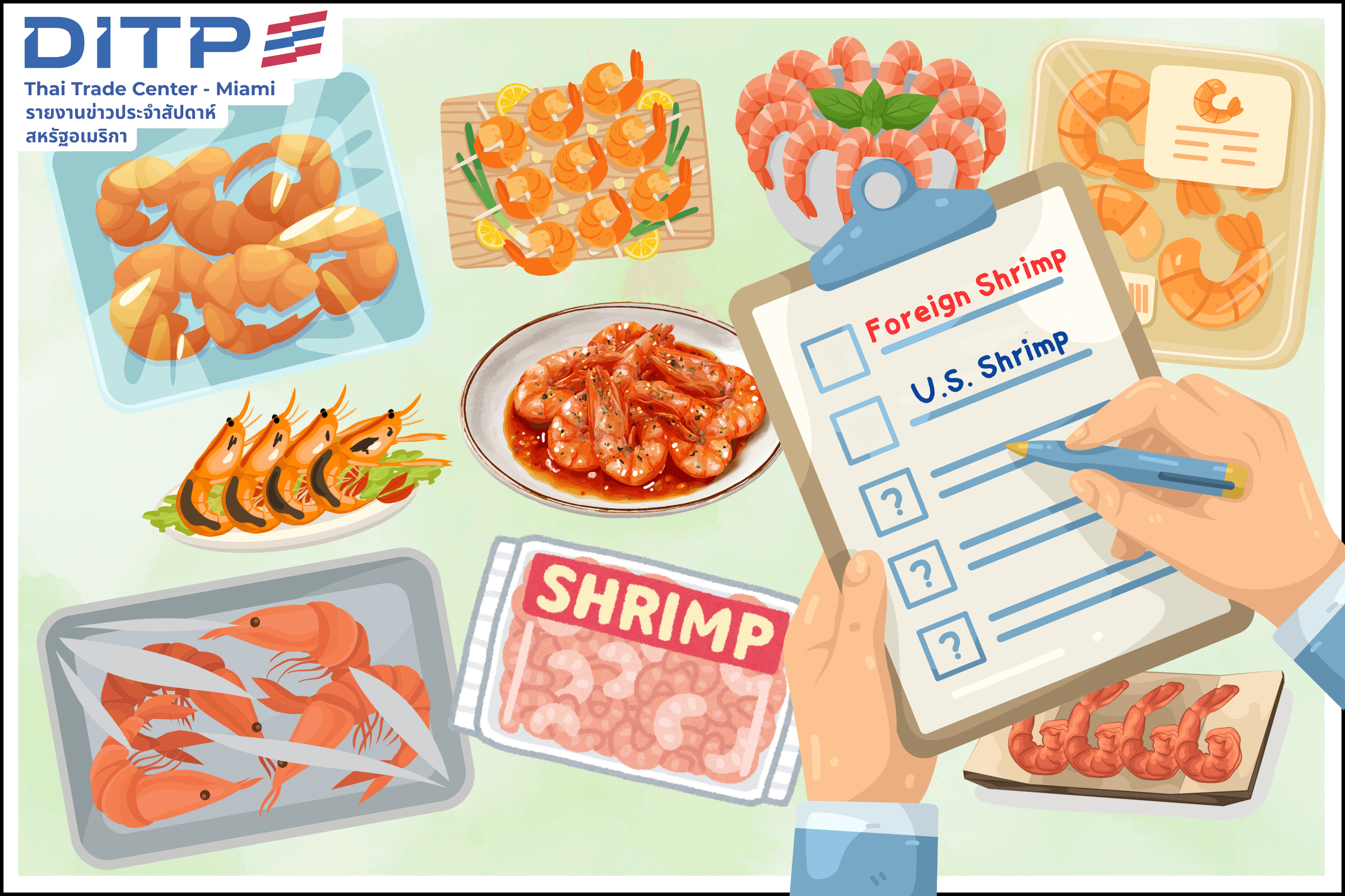
If you're currently shipping shrimp to the US, or are about to start, there's one thing I want you to know before encountering problems at the destination: Shrimp imported from the United States. With several states beginning to require restaurants and downstream retailers to clearly disclose the source of the shrimp they sell, this isn't yet federal law, but the signals emerging at the state level, in areas like Georgia and elsewhere, suggest something you shouldn't ignore.
Why is this not just another piece of legal news?
I understand that when people see news about foreign laws, they often think, "It hasn't affected us yet," or "Let's wait until it's clear." But the problem is, in the seafood export business, if you wait for clarity before preparing, it's often too late. What happens at the state level usually dictates the direction the mid-level regulations will take. More importantly, importers and supermarkets in the US often adjust their requirements based on market pressure even before the law is actually enforced.
Simply put, if your US business partners start asking for documents you haven't prepared, you'll waste time and potentially lose customers. Not because your product is bad, but because the documentation is incomplete.
Real signals occurring in the US market.
What's happening in many US states right now is a trend towards prioritizing... Transparency in the food chain. More and more, especially regarding imported shrimp, some states have begun requiring restaurants or establishments to display information indicating that the shrimp they sell is imported from foreign countries, and some areas are even considering requiring clearer specification of the country of origin.
For Thai exporters, this doesn't mean the US is closing its market to imported shrimp, but it indicates expectations regarding... traceability Or, with increased traceability of product origins, if you continue shipping goods the old way without complete documentation, you might encounter unexpected problems at the destination.
Importing shrimp to the US: 5 documents to check before shipment.
I've compiled a list of key points that Thai seafood exporters should check before their destination asks for them. It's not a list of things to do all at once today, but a framework to understand where they stand.
- Origin Document or document showing the origin of the product. — Documents confirming that your shrimp originated from Thailand, whether a Certificate of Origin or other documents required by the importer, should be prepared completely and accurately according to the information in the entire export documentation.
- Lot tracking, or the identification of a product batch. — Importers in the U.S., especially large ones that sell to supermarkets or restaurant chains, often want to know which farm a batch of shrimp came from, where it was processed, and the date. If you don't already have a clear lot tracking system, this is where you should start.
- Health Certificate or hygiene certificate — This document is issued by an authorized agency in Thailand, such as the Department of Fisheries, and may be inspected by the U.S. FDA at import customs. Please ensure your document is current and covers the actual goods being shipped.
- Quality and production standards information. — If you have certifications such as BAP, ASC, or GlobalG.AP, you should have these documents ready and inform your business partners, as in some cases it can significantly reduce risk at the end point.
- Communicating with importers in advance. — Before shipping any goods, always ask the importer if they have any new requirements, especially if they sell to customers in states with volatility regarding import laws for shrimp. Asking in advance is better than trying to solve problems after the goods arrive at their destination.
The risks are if you keep doing the same thing.
A common problem I see in the seafood export business is that owners often assume that if they've been shipping without problems for years, their system is fine. But the reality is that the US market is quietly changing its expectations regarding documentation and traceability. If one day your importer is pressured by end customers to provide information you don't possess, you might lose orders without even realizing it's due to this.
Another risk is that if your documentation is incomplete or inconsistent, the FDA may detain the goods at the point of import. This means escalating costs, including storage fees, additional inspections, and damage to your relationship with your business partners.
The mindset I recommend for Thai exporters.
I'm not telling you to panic about every piece of news about new laws, because some things are still unclear about the extent and timing of their enforcement. But what you can do now, without waiting for the laws to become clear, is... Check if your current documents are complete. and Talk to the importer to see if they need anything else.
If you're unsure where to start planning international shipments during a period of changing destination regulations,Plan international shipping.Having everything planned out thoroughly from the start—including documents, routes, and timelines—often helps reduce risks at the destination more than trying to fix problems after departure.
Ultimately, the issue of US shrimp imports and this traceability trend isn't a signal that the market is closing down, but rather that the game is changing, and those who are prepared will be in a better position than those who wait for clarity before acting.
Source: DITP Department of International Trade Promotion / Office of International Trade Promotion in Miami, USA Read the original source information.





 English
  Thai
Thai