


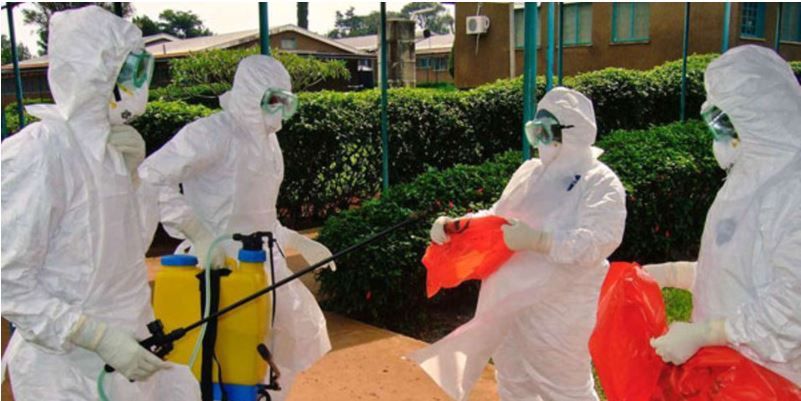
Kenya border The tightening of controls due to the Ebola risk might seem like public health news, but from a business perspective, it's a signal for Thai businesses to check routes, travelers, trucks, and check-in times at border crossings more carefully.
Data from DITP indicates that Kenya has stepped up screening at border crossings following a risk of an Ebola outbreak in a neighboring country. A national emergency management system, rapid response teams, and increased screening of travelers, including large numbers of trucks, have been implemented.
What does the Kenyan border tell Thai SMEs?
Kenya is one of East Africa's key trade gateways. Many goods don't end up in Kenya; they can continue on to Uganda, Rwanda, the Democratic Republic of Congo, or South Sudan. With tightened border controls, the impact could therefore be on waiting times, road routes, and the certainty of delivery schedules.
For Thai SMEs selling food, beverages, consumer goods, hygiene products, hotel supplies, or restaurant supplies, this news doesn't mean they have to stop selling. Instead, they should clarify with their partners and forwarders which customs clearances the goods are passing through, whether they need to allow extra time, and whether the recipient is ready to receive the goods as scheduled.
5 Essential Checks Before Shipping Goods to East Africa
- Which checkpoints did the goods pass through along the route, and are there any additional screening measures in place at those checkpoints?
- Do the trucks, drivers, or passengers need to undergo additional screening?
- How many days of buffer time should be allowed for products with a limited shelf life?
- Does the end customer have a plan to receive the goods and documents on the delayed date?
- Are there alternative routes or transportation providers in case of border congestion?
Shipping and documentation aspects that shouldn't be overlooked.
As border controls become stricter, basic documentation needs to be clearer, such as invoices, packing lists, product details, country of origin, and consignee information. If the goods involve food, hygiene, or require certifications, check what additional documents the buyer needs before releasing the shipment.
Another important aspect is communication with the recipient. If the goods are delayed, the recipient must be informed in advance and able to prepare, especially for perishable items, temperature-sensitive products, or items used in events, hotels, and restaurants.
Next thing to read:
- Import and export documents you should prepare before selling abroad.
- The process of exporting goods to foreign countries.
In summary, stricter border measures are not a sign of panic, but rather a signal to plan more carefully. If you have orders to East Africa, it's best to check the route, border checkpoints, documents, and alternative delivery times well in advance of the actual shipment, rather than trying to solve problems while the goods are in transit.
Source: DITP Read the original source information.



 English
  Thai
Thai