
BLOG

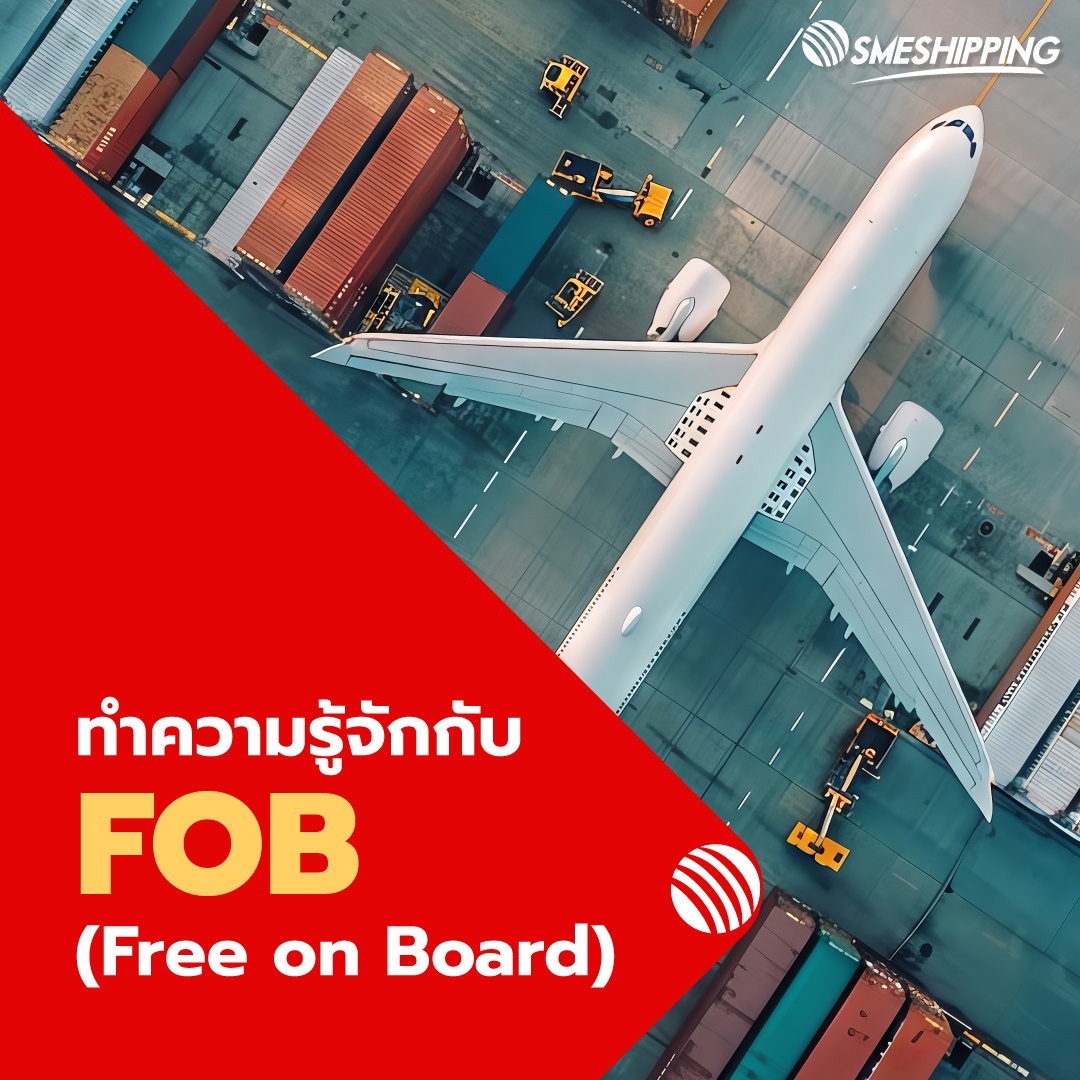
Information you should know about FOB.

Section 1: Getting to Know FOB (Free on Board)

Importing and exporting goods are crucial activities that connect economies worldwide. In this process, one of the most important terms in goods transportation is FOB, or Free on Board, a term used to define the terms of shipment in international markets. This article will consider the basic meaning and significance of FOB in international trade.

The basic definition of FOB.

FOB (Free on Board) is a shipping document term that states the seller is responsible for delivering the goods to the destination, and once the goods are loaded onto the ship, all risk and costs are transferred to the buyer. Conversely, it means that once the goods are loaded onto the ship at the exporter's country's port, the buyer becomes responsible for the goods from that point onward.

The importance of FOB in international trade.

Understanding FOB terms is crucial in international trade because it helps define the responsibilities for costs and risks in the process of transporting goods from seller to buyer. This includes freight costs, insurance, and port charges. Clearly defining these from the outset helps minimize misunderstandings and potential disputes later on.
FOB terms also allow buyers to control transportation costs, especially in situations where they have agreements with shipping companies they trust more. Furthermore, using FOB terms ensures transparency in the shipping process, particularly in terms of insurance and logistics management.
In summary, FOB (Free on Board) is a crucial element in international trade that all parties should understand and implement for effective risk and cost management. By leveraging this foundation, businesses can gain a competitive advantage and effectively expand their access to global markets.

Section 2: The Difference Between Shipping Point and Destination

FOB, or Free On Board, is a shipping agreement that specifies at what point in the transportation process the responsibility for costs and risks associated with the goods is transferred from the seller to the buyer. This term is commonly used in international transactions to clarify the terms of transport and transfer of ownership of the goods.

FOB Shipping Point vs. FOB Destination

FOB Shipping Point means that responsibility and costs for shipping the goods are transferred from the seller to the buyer from the moment the goods are shipped from the warehouse or point of origin. This means the buyer bears all risk and costs from the moment the goods leave the seller.
FOB Destination, as opposed to FOB Shipping Point, means that the seller is responsible for the goods until they reach the buyer at the destination. Under this condition, the seller bears all costs and risks of transportation until the goods are delivered to the buyer.

Legal consequences and responsibilities.

Both FOB Shipping Point and FOB Destination have legal implications and liability in the event of damage or loss during transit.[6] Under FOB Shipping Point terms, if the goods are damaged or lost in transit, the buyer assumes the risk. Under FOB Destination, the seller assumes the risk until the goods are safely delivered to the buyer.
Choosing between an FOB shipping point or an FOB destination is crucial in defining each party's legal responsibilities, and this should be clearly stated in the trade contract to prevent misunderstandings and problems later on.

Section 3: The Importance of FOB (Free on Board)

For smooth export and import transactions in Thailand, using and understanding the term FOB (Free On Board) is essential. This term helps identify where the burden of costs and risks in transporting goods is transferred from the seller to the buyer along the shipping route.

FOB (Free On Board) for importing and exporting goods in Thailand.

Exporting: For businesses wishing to export goods from Thailand, FOB terms can be used. This means the seller transfers responsibility for the costs and risks of shipping the goods to the buyer. Under an FOB agreement, the exporting seller is responsible for all costs and risks until the goods arrive at their final destination.
Import: Once the company's export vessel's container arrives at a port in Thailand, the goods are deemed transferred from the seller to the buyer, and the buyer becomes responsible for further handling and payment of costs.

Precautions and recommendations.

Understanding Liability: Businesses should understand that they are responsible for their own risks and costs in FOB agreements, whether from the sender's or receiver's perspective.
Clear communication is essential: A thorough understanding of what FOB Shipping Point and FOB Destination mean, and clear communication with trading partners are necessary to prevent misunderstandings.
Clearly state on the delivery note: In many high-level cases, the delivery note should clearly indicate whether the goods are being transported FOB (Fair-to-Ob shipping point) or FOB (Fair-to-Ob destination).
Having the right insurance policy is crucial: Cargo insurance can help protect against the risks posed by shippers or recipients of goods. Businesses should consider what type of insurance they need for their cargo.
Overall, for successful export and import business operations, knowledge and understanding of trade and shipping conditions, key planning and operational aspects, and knowledge of international trade are essential.

Section 4: FOB and Shipping Standards

International trade utilizes standard shipping terms to clarify the duties and responsibilities of both sellers and buyers. Incoterms (International Commercial Terms) are the standard laws used to define these terms. This article will focus on comparing FOB (Free On Board) with other Incoterms shipping terms such as CIF (Cost, Insurance and Freight), EXW (Ex Works), and others.

FOB (Free On Board)

FOB is commonly used for sea shipping. The seller is responsible for loading the goods onto the ship and handling all related expenses until the goods are loaded. After that, responsibility is transferred to the buyer, who must bear all costs and risks incurred thereafter.

CIF (Cost, Insurance and Freight)

CIF is also suitable for sea transport, but the seller is responsible for paying the freight and insurance costs until reaching the destination port. The risk of the goods is transferred to the buyer once the goods cross the ship's shore.

EXW (Ex Works)

EXW places the least responsibility on the seller, with the buyer handling everything from receiving the goods from the seller's factory, including transportation, insurance, and other related matters. This is the condition that places the most burden on the buyer.

Comparison summary

FOB: The seller is responsible until the goods are on board the ship; after that, the buyer assumes the risk and costs.
CIF: The seller is responsible for freight and insurance costs until the goods reach the destination port. The risk transfers to the buyer once the goods cross the ship's shore.
EXW: The buyer assumes all responsibility from the moment they receive the goods from the seller's factory.
The choice of terms depends on considerations of risk, cost, and ease of management. Advance negotiation and planning between the buyer and seller are crucial to finding the best possible agreement for both parties in each trade transaction.

Section 5: FOB Terms and Conditions Regarding Cost and Risk Management.

Managing the costs and risks of shipping goods under FOB (Free On Board) terms requires careful planning and decision-making regarding insurance and transportation. Because FOB terms stipulate that the seller is responsible for delivering the goods at the shipping shore, after which all responsibilities and risks are transferred to the buyer, advance planning and appropriate insurance are crucial.

Insurance decisions

Shipping insurance is important as it helps reduce the risks that both buyers and sellers may face, including damage or loss of goods. When deciding on insurance, the following should be considered:
Risk assessment: Consider factors that may affect the goods during transportation, such as the transportation route, type of goods, and the value of the goods.
Choose the right insurance: There are many types of insurance plans that offer different levels of coverage. For example, All Risks insurance covers most risks, and Named Perils insurance covers only specific risks.
Cost-value analysis of insurance: It is necessary to compare the cost of purchasing insurance with the value of the product and the potential risks involved.
Decisions regarding transportation.
Choosing the shipping method and company is another important decision to make under FOB terms.
Choose a reliable shipping company: Opt for a company with experience and a good reputation in the industry. Check reviews and request references.
Negotiate shipping terms: This includes pricing, delivery times, and agreements on handling emergencies or delays.
Verify transportation coverage: Ensure the transportation service covers the entire process from origin to destination and manages potential risks along the way.
Managing transportation costs and risks under FOB terms requires comprehensive planning and sound decision-making, encompassing both insurance and the selection of transportation companies, to ensure a smooth transportation process and minimize potential risks.


Information you should know about FOB.

Section 1: Getting to Know FOB (Free on Board)

Importing and exporting goods are crucial activities that connect economies worldwide. In this process, one of the most important terms in goods transportation is FOB, or Free on Board, a term used to define the terms of shipment in international markets. This article will consider the basic meaning and significance of FOB in international trade.

The basic definition of FOB.

FOB (Free on Board) is a shipping document term that states the seller is responsible for delivering the goods to the destination, and once the goods are loaded onto the ship, all risk and costs are transferred to the buyer. Conversely, it means that once the goods are loaded onto the ship at the exporter's country's port, the buyer becomes responsible for the goods from that point onward.

The importance of FOB in international trade.

Understanding FOB terms is crucial in international trade because it helps define the responsibilities for costs and risks in the process of transporting goods from seller to buyer. This includes freight costs, insurance, and port charges. Clearly defining these from the outset helps minimize misunderstandings and potential disputes later on.
FOB terms also allow buyers to control transportation costs, especially in situations where they have agreements with shipping companies they trust more. Furthermore, using FOB terms ensures transparency in the shipping process, particularly in terms of insurance and logistics management.
In summary, FOB (Free on Board) is a crucial element in international trade that all parties should understand and implement for effective risk and cost management. By leveraging this foundation, businesses can gain a competitive advantage and effectively expand their access to global markets.

Section 2: The Difference Between Shipping Point and Destination

FOB, or Free On Board, is a shipping agreement that specifies at what point in the transportation process the responsibility for costs and risks associated with the goods is transferred from the seller to the buyer. This term is commonly used in international transactions to clarify the terms of transport and transfer of ownership of the goods.

FOB Shipping Point vs. FOB Destination

FOB Shipping Point means that responsibility and costs for shipping the goods are transferred from the seller to the buyer from the moment the goods are shipped from the warehouse or point of origin. This means the buyer bears all risk and costs from the moment the goods leave the seller.
FOB Destination, as opposed to FOB Shipping Point, means that the seller is responsible for the goods until they reach the buyer at the destination. Under this condition, the seller bears all costs and risks of transportation until the goods are delivered to the buyer.

Legal consequences and responsibilities.

Both FOB Shipping Point and FOB Destination have legal implications and liability in the event of damage or loss during transit.[6] Under FOB Shipping Point terms, if the goods are damaged or lost in transit, the buyer assumes the risk. Under FOB Destination, the seller assumes the risk until the goods are safely delivered to the buyer.
Choosing between an FOB shipping point or an FOB destination is crucial in defining each party's legal responsibilities, and this should be clearly stated in the trade contract to prevent misunderstandings and problems later on.

Section 3: The Importance of FOB (Free on Board)

For smooth export and import transactions in Thailand, using and understanding the term FOB (Free On Board) is essential. This term helps identify where the burden of costs and risks in transporting goods is transferred from the seller to the buyer along the shipping route.

FOB (Free On Board) for importing and exporting goods in Thailand.

Exporting: For businesses wishing to export goods from Thailand, FOB terms can be used. This means the seller transfers responsibility for the costs and risks of shipping the goods to the buyer. Under an FOB agreement, the exporting seller is responsible for all costs and risks until the goods arrive at their final destination.
Import: Once the company's export vessel's container arrives at a port in Thailand, the goods are deemed transferred from the seller to the buyer, and the buyer becomes responsible for further handling and payment of costs.

Precautions and recommendations.

Understanding Liability: Businesses should understand that they are responsible for their own risks and costs in FOB agreements, whether from the sender's or receiver's perspective.
Clear communication is essential: A thorough understanding of what FOB Shipping Point and FOB Destination mean, and clear communication with trading partners are necessary to prevent misunderstandings.
Clearly state on the delivery note: In many high-level cases, the delivery note should clearly indicate whether the goods are being transported FOB (Fair-to-Ob shipping point) or FOB (Fair-to-Ob destination).
Having the right insurance policy is crucial: Cargo insurance can help protect against the risks posed by shippers or recipients of goods. Businesses should consider what type of insurance they need for their cargo.
Overall, for successful export and import business operations, knowledge and understanding of trade and shipping conditions, key planning and operational aspects, and knowledge of international trade are essential.

Section 4: FOB and Shipping Standards

International trade utilizes standard shipping terms to clarify the duties and responsibilities of both sellers and buyers. Incoterms (International Commercial Terms) are the standard laws used to define these terms. This article will focus on comparing FOB (Free On Board) with other Incoterms shipping terms such as CIF (Cost, Insurance and Freight), EXW (Ex Works), and others.

FOB (Free On Board)

FOB is commonly used for sea shipping. The seller is responsible for loading the goods onto the ship and handling all related expenses until the goods are loaded. After that, responsibility is transferred to the buyer, who must bear all costs and risks incurred thereafter.

CIF (Cost, Insurance and Freight)

CIF is also suitable for sea transport, but the seller is responsible for paying the freight and insurance costs until reaching the destination port. The risk of the goods is transferred to the buyer once the goods cross the ship's shore.

EXW (Ex Works)

EXW places the least responsibility on the seller, with the buyer handling everything from receiving the goods from the seller's factory, including transportation, insurance, and other related matters. This is the condition that places the most burden on the buyer.

Comparison summary

FOB: The seller is responsible until the goods are on board the ship; after that, the buyer assumes the risk and costs.
CIF: The seller is responsible for freight and insurance costs until the goods reach the destination port. The risk transfers to the buyer once the goods cross the ship's shore.
EXW: The buyer assumes all responsibility from the moment they receive the goods from the seller's factory.
The choice of terms depends on considerations of risk, cost, and ease of management. Advance negotiation and planning between the buyer and seller are crucial to finding the best possible agreement for both parties in each trade transaction.

Section 5: FOB Terms and Conditions Regarding Cost and Risk Management.

Managing the costs and risks of shipping goods under FOB (Free On Board) terms requires careful planning and decision-making regarding insurance and transportation. Because FOB terms stipulate that the seller is responsible for delivering the goods at the shipping shore, after which all responsibilities and risks are transferred to the buyer, advance planning and appropriate insurance are crucial.

Insurance decisions

Shipping insurance is important as it helps reduce the risks that both buyers and sellers may face, including damage or loss of goods. When deciding on insurance, the following should be considered:
Risk assessment: Consider factors that may affect the goods during transportation, such as the transportation route, type of goods, and the value of the goods.
Choose the right insurance: There are many types of insurance plans that offer different levels of coverage. For example, All Risks insurance covers most risks, and Named Perils insurance covers only specific risks.
Cost-value analysis of insurance: It is necessary to compare the cost of purchasing insurance with the value of the product and the potential risks involved.
Decisions regarding transportation.
Choosing the shipping method and company is another important decision to make under FOB terms.
Choose a reliable shipping company: Opt for a company with experience and a good reputation in the industry. Check reviews and request references.
Negotiate shipping terms: This includes pricing, delivery times, and agreements on handling emergencies or delays.
Verify transportation coverage: Ensure the transportation service covers the entire process from origin to destination and manages potential risks along the way.
Managing transportation costs and risks under FOB terms requires comprehensive planning and sound decision-making, encompassing both insurance and the selection of transportation companies, to ensure a smooth transportation process and minimize potential risks.
Section 1: Getting to Know FOB (Free on Board)

Importing and exporting goods are crucial activities that connect economies worldwide. In this process, one of the most important terms in goods transportation is FOB, or Free on Board, a term used to define the terms of shipment in international markets. This article will consider the basic meaning and significance of FOB in international trade.

The basic definition of FOB.

FOB (Free on Board) is a shipping document term that states the seller is responsible for delivering the goods to the destination, and once the goods are loaded onto the ship, all risk and costs are transferred to the buyer. Conversely, it means that once the goods are loaded onto the ship at the exporter's country's port, the buyer becomes responsible for the goods from that point onward.

The importance of FOB in international trade.

Understanding FOB terms is crucial in international trade because it helps define the responsibilities for costs and risks in the process of transporting goods from seller to buyer. This includes freight costs, insurance, and port charges. Clearly defining these from the outset helps minimize misunderstandings and potential disputes later on.
FOB terms also allow buyers to control transportation costs, especially in situations where they have agreements with shipping companies they trust more. Furthermore, using FOB terms ensures transparency in the shipping process, particularly in terms of insurance and logistics management.
In summary, FOB (Free on Board) is a crucial element in international trade that all parties should understand and implement for effective risk and cost management. By leveraging this foundation, businesses can gain a competitive advantage and effectively expand their access to global markets.

Section 2: The Difference Between Shipping Point and Destination

FOB, or Free On Board, is a shipping agreement that specifies at what point in the transportation process the responsibility for costs and risks associated with the goods is transferred from the seller to the buyer. This term is commonly used in international transactions to clarify the terms of transport and transfer of ownership of the goods.

FOB Shipping Point vs. FOB Destination

FOB Shipping Point means that responsibility and costs for shipping the goods are transferred from the seller to the buyer from the moment the goods are shipped from the warehouse or point of origin. This means the buyer bears all risk and costs from the moment the goods leave the seller.
FOB Destination, as opposed to FOB Shipping Point, means that the seller is responsible for the goods until they reach the buyer at the destination. Under this condition, the seller bears all costs and risks of transportation until the goods are delivered to the buyer.

Legal consequences and responsibilities.

Both FOB Shipping Point and FOB Destination have legal implications and liability in the event of damage or loss during transit.[6] Under FOB Shipping Point terms, if the goods are damaged or lost in transit, the buyer assumes the risk. Under FOB Destination, the seller assumes the risk until the goods are safely delivered to the buyer.
Choosing between an FOB shipping point or an FOB destination is crucial in defining each party's legal responsibilities, and this should be clearly stated in the trade contract to prevent misunderstandings and problems later on.

Section 3: The Importance of FOB (Free on Board)

For smooth export and import transactions in Thailand, using and understanding the term FOB (Free On Board) is essential. This term helps identify where the burden of costs and risks in transporting goods is transferred from the seller to the buyer along the shipping route.

FOB (Free On Board) for importing and exporting goods in Thailand.

Exporting: For businesses wishing to export goods from Thailand, FOB terms can be used. This means the seller transfers responsibility for the costs and risks of shipping the goods to the buyer. Under an FOB agreement, the exporting seller is responsible for all costs and risks until the goods arrive at their final destination.
Import: Once the company's export vessel's container arrives at a port in Thailand, the goods are deemed transferred from the seller to the buyer, and the buyer becomes responsible for further handling and payment of costs.

Precautions and recommendations.

Understanding Liability: Businesses should understand that they are responsible for their own risks and costs in FOB agreements, whether from the sender's or receiver's perspective.
Clear communication is essential: A thorough understanding of what FOB Shipping Point and FOB Destination mean, and clear communication with trading partners are necessary to prevent misunderstandings.
Clearly state on the delivery note: In many high-level cases, the delivery note should clearly indicate whether the goods are being transported FOB (Fair-to-Ob shipping point) or FOB (Fair-to-Ob destination).
Having the right insurance policy is crucial: Cargo insurance can help protect against the risks posed by shippers or recipients of goods. Businesses should consider what type of insurance they need for their cargo.
Overall, for successful export and import business operations, knowledge and understanding of trade and shipping conditions, key planning and operational aspects, and knowledge of international trade are essential.

Section 4: FOB and Shipping Standards

International trade utilizes standard shipping terms to clarify the duties and responsibilities of both sellers and buyers. Incoterms (International Commercial Terms) are the standard laws used to define these terms. This article will focus on comparing FOB (Free On Board) with other Incoterms shipping terms such as CIF (Cost, Insurance and Freight), EXW (Ex Works), and others.

FOB (Free On Board)

FOB is commonly used for sea shipping. The seller is responsible for loading the goods onto the ship and handling all related expenses until the goods are loaded. After that, responsibility is transferred to the buyer, who must bear all costs and risks incurred thereafter.

CIF (Cost, Insurance and Freight)

CIF is also suitable for sea transport, but the seller is responsible for paying the freight and insurance costs until reaching the destination port. The risk of the goods is transferred to the buyer once the goods cross the ship's shore.

EXW (Ex Works)

EXW places the least responsibility on the seller, with the buyer handling everything from receiving the goods from the seller's factory, including transportation, insurance, and other related matters. This is the condition that places the most burden on the buyer.

Comparison summary

FOB: The seller is responsible until the goods are on board the ship; after that, the buyer assumes the risk and costs.
CIF: The seller is responsible for freight and insurance costs until the goods reach the destination port. The risk transfers to the buyer once the goods cross the ship's shore.
EXW: The buyer assumes all responsibility from the moment they receive the goods from the seller's factory.
The choice of terms depends on considerations of risk, cost, and ease of management. Advance negotiation and planning between the buyer and seller are crucial to finding the best possible agreement for both parties in each trade transaction.

Section 5: FOB Terms and Conditions Regarding Cost and Risk Management.

Managing the costs and risks of shipping goods under FOB (Free On Board) terms requires careful planning and decision-making regarding insurance and transportation. Because FOB terms stipulate that the seller is responsible for delivering the goods at the shipping shore, after which all responsibilities and risks are transferred to the buyer, advance planning and appropriate insurance are crucial.

Insurance decisions

Shipping insurance is important as it helps reduce the risks that both buyers and sellers may face, including damage or loss of goods. When deciding on insurance, the following should be considered:
Risk assessment: Consider factors that may affect the goods during transportation, such as the transportation route, type of goods, and the value of the goods.
Choose the right insurance: There are many types of insurance plans that offer different levels of coverage. For example, All Risks insurance covers most risks, and Named Perils insurance covers only specific risks.
Cost-value analysis of insurance: It is necessary to compare the cost of purchasing insurance with the value of the product and the potential risks involved.
Decisions regarding transportation.
Choosing the shipping method and company is another important decision to make under FOB terms.
Choose a reliable shipping company: Opt for a company with experience and a good reputation in the industry. Check reviews and request references.
Negotiate shipping terms: This includes pricing, delivery times, and agreements on handling emergencies or delays.
Verify transportation coverage: Ensure the transportation service covers the entire process from origin to destination and manages potential risks along the way.
Managing transportation costs and risks under FOB terms requires comprehensive planning and sound decision-making, encompassing both insurance and the selection of transportation companies, to ensure a smooth transportation process and minimize potential risks.
Section 1: Getting to Know FOB (Free on Board)

Importing and exporting goods are crucial activities that connect economies worldwide. In this process, one of the most important terms in goods transportation is FOB, or Free on Board, a term used to define the terms of shipment in international markets. This article will consider the basic meaning and significance of FOB in international trade.

The basic definition of FOB.

FOB (Free on Board) is a shipping document term that states the seller is responsible for delivering the goods to the destination, and once the goods are loaded onto the ship, all risk and costs are transferred to the buyer. Conversely, it means that once the goods are loaded onto the ship at the exporter's country's port, the buyer becomes responsible for the goods from that point onward.

The importance of FOB in international trade.

Understanding FOB terms is crucial in international trade because it helps define the responsibilities for costs and risks in the process of transporting goods from seller to buyer. This includes freight costs, insurance, and port charges. Clearly defining these from the outset helps minimize misunderstandings and potential disputes later on.
FOB terms also allow buyers to control transportation costs, especially in situations where they have agreements with shipping companies they trust more. Furthermore, using FOB terms ensures transparency in the shipping process, particularly in terms of insurance and logistics management.
In summary, FOB (Free on Board) is a crucial element in international trade that all parties should understand and implement for effective risk and cost management. By leveraging this foundation, businesses can gain a competitive advantage and effectively expand their access to global markets.

Section 2: The Difference Between Shipping Point and Destination

FOB, or Free On Board, is a shipping agreement that specifies at what point in the transportation process the responsibility for costs and risks associated with the goods is transferred from the seller to the buyer. This term is commonly used in international transactions to clarify the terms of transport and transfer of ownership of the goods.

FOB Shipping Point vs. FOB Destination

FOB Shipping Point means that responsibility and costs for shipping the goods are transferred from the seller to the buyer from the moment the goods are shipped from the warehouse or point of origin. This means the buyer bears all risk and costs from the moment the goods leave the seller.
FOB Destination, as opposed to FOB Shipping Point, means that the seller is responsible for the goods until they reach the buyer at the destination. Under this condition, the seller bears all costs and risks of transportation until the goods are delivered to the buyer.

Legal consequences and responsibilities.

Both FOB Shipping Point and FOB Destination have legal implications and liability in the event of damage or loss during transit.[6] Under FOB Shipping Point terms, if the goods are damaged or lost in transit, the buyer assumes the risk. Under FOB Destination, the seller assumes the risk until the goods are safely delivered to the buyer.
Choosing between an FOB shipping point or an FOB destination is crucial in defining each party's legal responsibilities, and this should be clearly stated in the trade contract to prevent misunderstandings and problems later on.

Section 3: The Importance of FOB (Free on Board)

For smooth export and import transactions in Thailand, using and understanding the term FOB (Free On Board) is essential. This term helps identify where the burden of costs and risks in transporting goods is transferred from the seller to the buyer along the shipping route.

FOB (Free On Board) for importing and exporting goods in Thailand.

Exporting: For businesses wishing to export goods from Thailand, FOB terms can be used. This means the seller transfers responsibility for the costs and risks of shipping the goods to the buyer. Under an FOB agreement, the exporting seller is responsible for all costs and risks until the goods arrive at their final destination.
Import: Once the company's export vessel's container arrives at a port in Thailand, the goods are deemed transferred from the seller to the buyer, and the buyer becomes responsible for further handling and payment of costs.

Precautions and recommendations.

Understanding Liability: Businesses should understand that they are responsible for their own risks and costs in FOB agreements, whether from the sender's or receiver's perspective.
Clear communication is essential: A thorough understanding of what FOB Shipping Point and FOB Destination mean, and clear communication with trading partners are necessary to prevent misunderstandings.
Clearly state on the delivery note: In many high-level cases, the delivery note should clearly indicate whether the goods are being transported FOB (Fair-to-Ob shipping point) or FOB (Fair-to-Ob destination).
Having the right insurance policy is crucial: Cargo insurance can help protect against the risks posed by shippers or recipients of goods. Businesses should consider what type of insurance they need for their cargo.
Overall, for successful export and import business operations, knowledge and understanding of trade and shipping conditions, key planning and operational aspects, and knowledge of international trade are essential.

Section 4: FOB and Shipping Standards

International trade utilizes standard shipping terms to clarify the duties and responsibilities of both sellers and buyers. Incoterms (International Commercial Terms) are the standard laws used to define these terms. This article will focus on comparing FOB (Free On Board) with other Incoterms shipping terms such as CIF (Cost, Insurance and Freight), EXW (Ex Works), and others.

FOB (Free On Board)

FOB is commonly used for sea shipping. The seller is responsible for loading the goods onto the ship and handling all related expenses until the goods are loaded. After that, responsibility is transferred to the buyer, who must bear all costs and risks incurred thereafter.

CIF (Cost, Insurance and Freight)

CIF is also suitable for sea transport, but the seller is responsible for paying the freight and insurance costs until reaching the destination port. The risk of the goods is transferred to the buyer once the goods cross the ship's shore.

EXW (Ex Works)

EXW places the least responsibility on the seller, with the buyer handling everything from receiving the goods from the seller's factory, including transportation, insurance, and other related matters. This is the condition that places the most burden on the buyer.

Comparison summary

FOB: The seller is responsible until the goods are on board the ship; after that, the buyer assumes the risk and costs.
CIF: The seller is responsible for freight and insurance costs until the goods reach the destination port. The risk transfers to the buyer once the goods cross the ship's shore.
EXW: The buyer assumes all responsibility from the moment they receive the goods from the seller's factory.
The choice of terms depends on considerations of risk, cost, and ease of management. Advance negotiation and planning between the buyer and seller are crucial to finding the best possible agreement for both parties in each trade transaction.

Section 5: FOB Terms and Conditions Regarding Cost and Risk Management.

Managing the costs and risks of shipping goods under FOB (Free On Board) terms requires careful planning and decision-making regarding insurance and transportation. Because FOB terms stipulate that the seller is responsible for delivering the goods at the shipping shore, after which all responsibilities and risks are transferred to the buyer, advance planning and appropriate insurance are crucial.

Insurance decisions

Shipping insurance is important as it helps reduce the risks that both buyers and sellers may face, including damage or loss of goods. When deciding on insurance, the following should be considered:
Risk assessment: Consider factors that may affect the goods during transportation, such as the transportation route, type of goods, and the value of the goods.
Choose the right insurance: There are many types of insurance plans that offer different levels of coverage. For example, All Risks insurance covers most risks, and Named Perils insurance covers only specific risks.
Cost-value analysis of insurance: It is necessary to compare the cost of purchasing insurance with the value of the product and the potential risks involved.
Decisions regarding transportation.
Choosing the shipping method and company is another important decision to make under FOB terms.
Choose a reliable shipping company: Opt for a company with experience and a good reputation in the industry. Check reviews and request references.
Negotiate shipping terms: This includes pricing, delivery times, and agreements on handling emergencies or delays.
Verify transportation coverage: Ensure the transportation service covers the entire process from origin to destination and manages potential risks along the way.
Managing transportation costs and risks under FOB terms requires comprehensive planning and sound decision-making, encompassing both insurance and the selection of transportation companies, to ensure a smooth transportation process and minimize potential risks.

Section 1: Getting to Know FOB (Free on Board)

Importing and exporting goods are crucial activities that connect economies worldwide. In this process, one of the most important terms in goods transportation is FOB, or Free on Board, a term used to define the terms of shipment in international markets. This article will consider the basic meaning and significance of FOB in international trade.

The basic definition of FOB.

FOB (Free on Board) is a shipping document term that states the seller is responsible for delivering the goods to the destination, and once the goods are loaded onto the ship, all risk and costs are transferred to the buyer. Conversely, it means that once the goods are loaded onto the ship at the exporter's country's port, the buyer becomes responsible for the goods from that point onward.

The importance of FOB in international trade.

Understanding FOB terms is crucial in international trade because it helps define the responsibilities for costs and risks in the process of transporting goods from seller to buyer. This includes freight costs, insurance, and port charges. Clearly defining these from the outset helps minimize misunderstandings and potential disputes later on.
FOB terms also allow buyers to control transportation costs, especially in situations where they have agreements with shipping companies they trust more. Furthermore, using FOB terms ensures transparency in the shipping process, particularly in terms of insurance and logistics management.
In summary, FOB (Free on Board) is a crucial element in international trade that all parties should understand and implement for effective risk and cost management. By leveraging this foundation, businesses can gain a competitive advantage and effectively expand their access to global markets.

Section 2: The Difference Between Shipping Point and Destination

FOB, or Free On Board, is a shipping agreement that specifies at what point in the transportation process the responsibility for costs and risks associated with the goods is transferred from the seller to the buyer. This term is commonly used in international transactions to clarify the terms of transport and transfer of ownership of the goods.

FOB Shipping Point vs. FOB Destination

FOB Shipping Point means that responsibility and costs for shipping the goods are transferred from the seller to the buyer from the moment the goods are shipped from the warehouse or point of origin. This means the buyer bears all risk and costs from the moment the goods leave the seller.
FOB Destination, as opposed to FOB Shipping Point, means that the seller is responsible for the goods until they reach the buyer at the destination. Under this condition, the seller bears all costs and risks of transportation until the goods are delivered to the buyer.

Legal consequences and responsibilities.

Both FOB Shipping Point and FOB Destination have legal implications and liability in the event of damage or loss during transit.[6] Under FOB Shipping Point terms, if the goods are damaged or lost in transit, the buyer assumes the risk. Under FOB Destination, the seller assumes the risk until the goods are safely delivered to the buyer.
Choosing between an FOB shipping point or an FOB destination is crucial in defining each party's legal responsibilities, and this should be clearly stated in the trade contract to prevent misunderstandings and problems later on.

Section 3: The Importance of FOB (Free on Board)

For smooth export and import transactions in Thailand, using and understanding the term FOB (Free On Board) is essential. This term helps identify where the burden of costs and risks in transporting goods is transferred from the seller to the buyer along the shipping route.

FOB (Free On Board) for importing and exporting goods in Thailand.

Exporting: For businesses wishing to export goods from Thailand, FOB terms can be used. This means the seller transfers responsibility for the costs and risks of shipping the goods to the buyer. Under an FOB agreement, the exporting seller is responsible for all costs and risks until the goods arrive at their final destination.
Import: Once the company's export vessel's container arrives at a port in Thailand, the goods are deemed transferred from the seller to the buyer, and the buyer becomes responsible for further handling and payment of costs.

Precautions and recommendations.

Understanding Liability: Businesses should understand that they are responsible for their own risks and costs in FOB agreements, whether from the sender's or receiver's perspective.
Clear communication is essential: A thorough understanding of what FOB Shipping Point and FOB Destination mean, and clear communication with trading partners are necessary to prevent misunderstandings.
Clearly state on the delivery note: In many high-level cases, the delivery note should clearly indicate whether the goods are being transported FOB (Fair-to-Ob shipping point) or FOB (Fair-to-Ob destination).
Having the right insurance policy is crucial: Cargo insurance can help protect against the risks posed by shippers or recipients of goods. Businesses should consider what type of insurance they need for their cargo.
Overall, for successful export and import business operations, knowledge and understanding of trade and shipping conditions, key planning and operational aspects, and knowledge of international trade are essential.

Section 4: FOB and Shipping Standards

International trade utilizes standard shipping terms to clarify the duties and responsibilities of both sellers and buyers. Incoterms (International Commercial Terms) are the standard laws used to define these terms. This article will focus on comparing FOB (Free On Board) with other Incoterms shipping terms such as CIF (Cost, Insurance and Freight), EXW (Ex Works), and others.

FOB (Free On Board)

FOB is commonly used for sea shipping. The seller is responsible for loading the goods onto the ship and handling all related expenses until the goods are loaded. After that, responsibility is transferred to the buyer, who must bear all costs and risks incurred thereafter.

CIF (Cost, Insurance and Freight)

CIF is also suitable for sea transport, but the seller is responsible for paying the freight and insurance costs until reaching the destination port. The risk of the goods is transferred to the buyer once the goods cross the ship's shore.

EXW (Ex Works)

EXW places the least responsibility on the seller, with the buyer handling everything from receiving the goods from the seller's factory, including transportation, insurance, and other related matters. This is the condition that places the most burden on the buyer.

Comparison summary

FOB: The seller is responsible until the goods are on board the ship; after that, the buyer assumes the risk and costs.
CIF: The seller is responsible for freight and insurance costs until the goods reach the destination port. The risk transfers to the buyer once the goods cross the ship's shore.
EXW: The buyer assumes all responsibility from the moment they receive the goods from the seller's factory.
The choice of terms depends on considerations of risk, cost, and ease of management. Advance negotiation and planning between the buyer and seller are crucial to finding the best possible agreement for both parties in each trade transaction.

Section 5: FOB Terms and Conditions Regarding Cost and Risk Management.

Managing the costs and risks of shipping goods under FOB (Free On Board) terms requires careful planning and decision-making regarding insurance and transportation. Because FOB terms stipulate that the seller is responsible for delivering the goods at the shipping shore, after which all responsibilities and risks are transferred to the buyer, advance planning and appropriate insurance are crucial.

Insurance decisions

Shipping insurance is important as it helps reduce the risks that both buyers and sellers may face, including damage or loss of goods. When deciding on insurance, the following should be considered:
Risk assessment: Consider factors that may affect the goods during transportation, such as the transportation route, type of goods, and the value of the goods.
Choose the right insurance: There are many types of insurance plans that offer different levels of coverage. For example, All Risks insurance covers most risks, and Named Perils insurance covers only specific risks.
Cost-value analysis of insurance: It is necessary to compare the cost of purchasing insurance with the value of the product and the potential risks involved.
Decisions regarding transportation.
Choosing the shipping method and company is another important decision to make under FOB terms.
Choose a reliable shipping company: Opt for a company with experience and a good reputation in the industry. Check reviews and request references.
Negotiate shipping terms: This includes pricing, delivery times, and agreements on handling emergencies or delays.
Verify transportation coverage: Ensure the transportation service covers the entire process from origin to destination and manages potential risks along the way.
Managing transportation costs and risks under FOB terms requires comprehensive planning and sound decision-making, encompassing both insurance and the selection of transportation companies, to ensure a smooth transportation process and minimize potential risks.

Section 1: Getting to Know FOB (Free on Board)

Importing and exporting goods are crucial activities that connect economies worldwide. In this process, one of the most important terms in goods transportation is FOB, or Free on Board, a term used to define the terms of shipment in international markets. This article will consider the basic meaning and significance of FOB in international trade.

The basic definition of FOB.

FOB (Free on Board) is a shipping document term that states the seller is responsible for delivering the goods to the destination, and once the goods are loaded onto the ship, all risk and costs are transferred to the buyer. Conversely, it means that once the goods are loaded onto the ship at the exporter's country's port, the buyer becomes responsible for the goods from that point onward.

The importance of FOB in international trade.

Understanding FOB terms is crucial in international trade because it helps define the responsibilities for costs and risks in the process of transporting goods from seller to buyer. This includes freight costs, insurance, and port charges. Clearly defining these from the outset helps minimize misunderstandings and potential disputes later on.
FOB terms also allow buyers to control transportation costs, especially in situations where they have agreements with shipping companies they trust more. Furthermore, using FOB terms ensures transparency in the shipping process, particularly in terms of insurance and logistics management.
In summary, FOB (Free on Board) is a crucial element in international trade that all parties should understand and implement for effective risk and cost management. By leveraging this foundation, businesses can gain a competitive advantage and effectively expand their access to global markets.

Section 2: The Difference Between Shipping Point and Destination

FOB, or Free On Board, is a shipping agreement that specifies at what point in the transportation process the responsibility for costs and risks associated with the goods is transferred from the seller to the buyer. This term is commonly used in international transactions to clarify the terms of transport and transfer of ownership of the goods.

FOB Shipping Point vs. FOB Destination

FOB Shipping Point means that responsibility and costs for shipping the goods are transferred from the seller to the buyer from the moment the goods are shipped from the warehouse or point of origin. This means the buyer bears all risk and costs from the moment the goods leave the seller.
FOB Destination, as opposed to FOB Shipping Point, means that the seller is responsible for the goods until they reach the buyer at the destination. Under this condition, the seller bears all costs and risks of transportation until the goods are delivered to the buyer.

Legal consequences and responsibilities.

Both FOB Shipping Point and FOB Destination have legal implications and liability in the event of damage or loss during transit.[6] Under FOB Shipping Point terms, if the goods are damaged or lost in transit, the buyer assumes the risk. Under FOB Destination, the seller assumes the risk until the goods are safely delivered to the buyer.
Choosing between an FOB shipping point or an FOB destination is crucial in defining each party's legal responsibilities, and this should be clearly stated in the trade contract to prevent misunderstandings and problems later on.

Section 3: The Importance of FOB (Free on Board)

For smooth export and import transactions in Thailand, using and understanding the term FOB (Free On Board) is essential. This term helps identify where the burden of costs and risks in transporting goods is transferred from the seller to the buyer along the shipping route.

FOB (Free On Board) for importing and exporting goods in Thailand.

Exporting: For businesses wishing to export goods from Thailand, FOB terms can be used. This means the seller transfers responsibility for the costs and risks of shipping the goods to the buyer. Under an FOB agreement, the exporting seller is responsible for all costs and risks until the goods arrive at their final destination.
Import: Once the company's export vessel's container arrives at a port in Thailand, the goods are deemed transferred from the seller to the buyer, and the buyer becomes responsible for further handling and payment of costs.

Precautions and recommendations.

Understanding Liability: Businesses should understand that they are responsible for their own risks and costs in FOB agreements, whether from the sender's or receiver's perspective.
Clear communication is essential: A thorough understanding of what FOB Shipping Point and FOB Destination mean, and clear communication with trading partners are necessary to prevent misunderstandings.
Clearly state on the delivery note: In many high-level cases, the delivery note should clearly indicate whether the goods are being transported FOB (Fair-to-Ob shipping point) or FOB (Fair-to-Ob destination).
Having the right insurance policy is crucial: Cargo insurance can help protect against the risks posed by shippers or recipients of goods. Businesses should consider what type of insurance they need for their cargo.
Overall, for successful export and import business operations, knowledge and understanding of trade and shipping conditions, key planning and operational aspects, and knowledge of international trade are essential.

Section 4: FOB and Shipping Standards

International trade utilizes standard shipping terms to clarify the duties and responsibilities of both sellers and buyers. Incoterms (International Commercial Terms) are the standard laws used to define these terms. This article will focus on comparing FOB (Free On Board) with other Incoterms shipping terms such as CIF (Cost, Insurance and Freight), EXW (Ex Works), and others.

FOB (Free On Board)

FOB is commonly used for sea shipping. The seller is responsible for loading the goods onto the ship and handling all related expenses until the goods are loaded. After that, responsibility is transferred to the buyer, who must bear all costs and risks incurred thereafter.

CIF (Cost, Insurance and Freight)

CIF is also suitable for sea transport, but the seller is responsible for paying the freight and insurance costs until reaching the destination port. The risk of the goods is transferred to the buyer once the goods cross the ship's shore.

EXW (Ex Works)

EXW places the least responsibility on the seller, with the buyer handling everything from receiving the goods from the seller's factory, including transportation, insurance, and other related matters. This is the condition that places the most burden on the buyer.

Comparison summary

FOB: The seller is responsible until the goods are on board the ship; after that, the buyer assumes the risk and costs.
CIF: The seller is responsible for freight and insurance costs until the goods reach the destination port. The risk transfers to the buyer once the goods cross the ship's shore.
EXW: The buyer assumes all responsibility from the moment they receive the goods from the seller's factory.
The choice of terms depends on considerations of risk, cost, and ease of management. Advance negotiation and planning between the buyer and seller are crucial to finding the best possible agreement for both parties in each trade transaction.

Section 5: FOB Terms and Conditions Regarding Cost and Risk Management.

Managing the costs and risks of shipping goods under FOB (Free On Board) terms requires careful planning and decision-making regarding insurance and transportation. Because FOB terms stipulate that the seller is responsible for delivering the goods at the shipping shore, after which all responsibilities and risks are transferred to the buyer, advance planning and appropriate insurance are crucial.

Insurance decisions

Shipping insurance is important as it helps reduce the risks that both buyers and sellers may face, including damage or loss of goods. When deciding on insurance, the following should be considered:
Risk assessment: Consider factors that may affect the goods during transportation, such as the transportation route, type of goods, and the value of the goods.
Choose the right insurance: There are many types of insurance plans that offer different levels of coverage. For example, All Risks insurance covers most risks, and Named Perils insurance covers only specific risks.
Cost-value analysis of insurance: It is necessary to compare the cost of purchasing insurance with the value of the product and the potential risks involved.
Decisions regarding transportation.
Choosing the shipping method and company is another important decision to make under FOB terms.
Choose a reliable shipping company: Opt for a company with experience and a good reputation in the industry. Check reviews and request references.
Negotiate shipping terms: This includes pricing, delivery times, and agreements on handling emergencies or delays.
Verify transportation coverage: Ensure the transportation service covers the entire process from origin to destination and manages potential risks along the way.
Managing transportation costs and risks under FOB terms requires comprehensive planning and sound decision-making, encompassing both insurance and the selection of transportation companies, to ensure a smooth transportation process and minimize potential risks.
en_USEnglish