


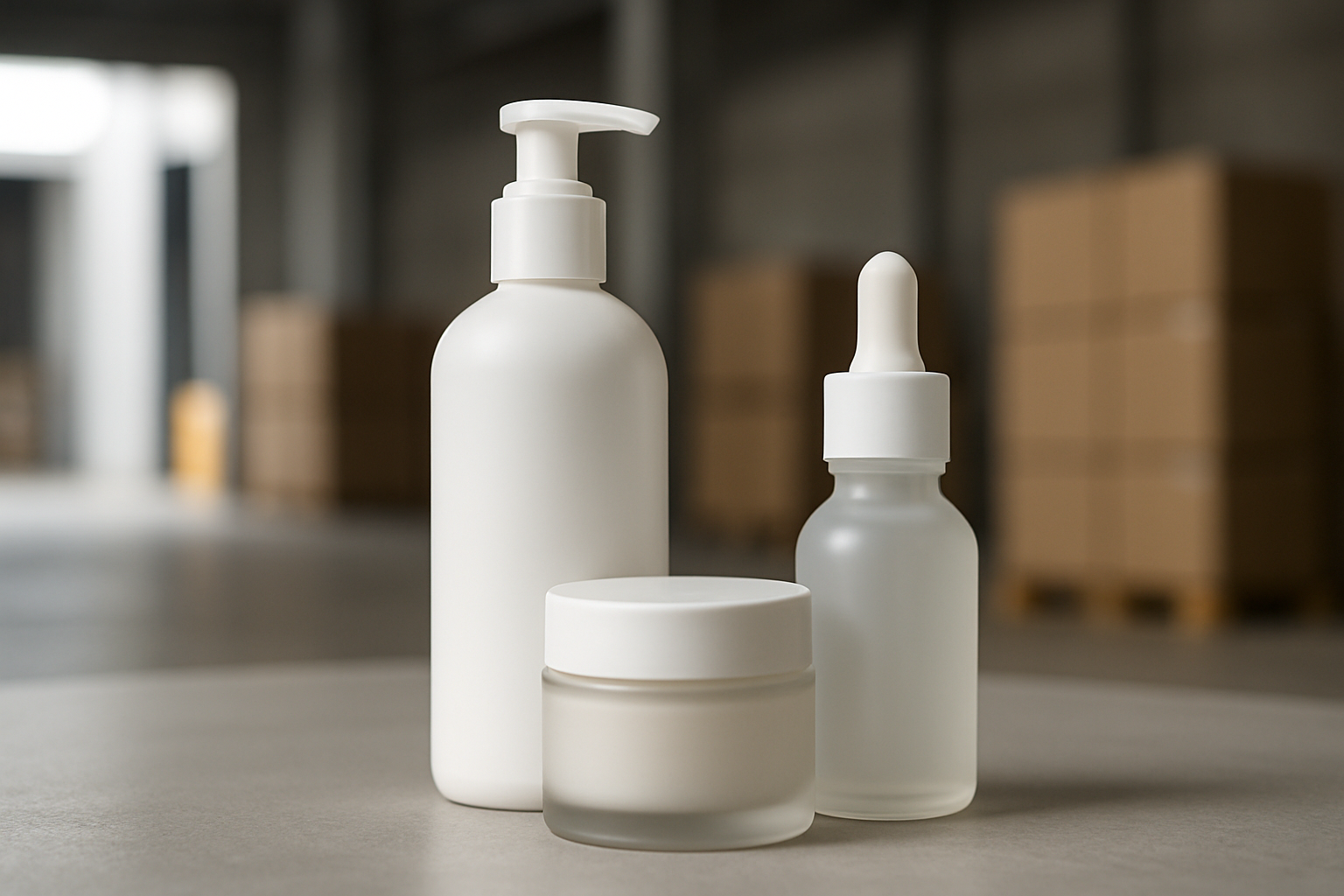
If you are currently exporting cosmetics from Taiwan, or are thinking of starting, there's one thing you shouldn't overlook. From July 1, 2026 onwards, Taiwan will require all imported general cosmetic products to have a complete Product Information File (PIF) before customs clearance. This isn't just a simple Chinese label or shipping document, but a more detailed set of documents detailing safety and ingredients than many are familiar with.
Why is this important now, when the rules haven't taken effect yet?
The problem with regulations like this is that they don't wait for you to be ready. July 1, 2026 sounds far off, but if you need to prepare a Safety Assessment Report that requires expert certification, conduct stability tests that take weeks to months, and gather the proportions of every ingredient in your recipe, the time remaining isn't as much as you might think.
Furthermore, if you produce multiple items or use OEM manufacturers who may not keep detailed ingredient records, compiling all the necessary documentation may take longer than expected.
What is the Taiwanese market like right now?
In early May 2026, 29 Thai companies traveled to Taiwan to participate in business matching with 33 Taiwanese importers and businesses. The result was an estimated trade opportunity worth approximately 15.4 million baht within one year. This figure is an estimate based on negotiations, not confirmed sales figures, but it indicates a real demand for Thai products in Taiwan.
Products of interest to Taiwanese importers include cosmetics, skincare products, hair care products, pain relief products, and inhalers. The Taiwanese market has high consumer purchasing power and prioritizes quality, ingredients, packaging, and brand story, not just price.
Furthermore, Taiwanese experts point out that the market is entering a "Beauty is Health" era, where consumers are interested in internal care at the cellular level. This trend, known as Metabolic Beauty, is growing, creating opportunities for Thai products with strengths in herbal and wellness to reach this segment.
What is PIF, and why is it different from a regular export document?
A PIF, or Product Information File, is not just a product certificate, but a file that compiles all evidence of a product's safety in one place. Taiwan mandates the following main documents:
- Safety Assessment Report Safety assessment report by certified experts.
- Toxicological Data Toxicity information for each ingredient.
- Microbiology Test and Stability Test Microbiological test results and product stability testing.
- GMP Certificate Valid manufacturing standard certificate.
- List of ingredients with proportions. All ingredients and their proportions must be listed in detail, not just the INCI name.
If you have previously exported Thai cosmetics to Europe or ASEAN, some of these documents may already be available, but you should check that the format and details match those required by Taiwan.
Checklist before exporting cosmetics from Taiwan.
Before the rules take effect, we should go through this list one step at a time.
- Check that your manufacturer or OEM has a valid GMP certificate.
- Gather the ingredient list and proportions from the manufacturer. If you don't have it yet, request it now.
- Verify that stability tests and microbiology tests conducted in an accredited laboratory are available.
- Find an expert or organization that can prepare a Safety Assessment Report according to standards accepted in Taiwan.
- Check the Chinese label according to Taiwan's requirements, including ingredient names, expiration dates, and importer information.
- Coordinate with the buyer or importer in Taiwan regarding any additional documents they may require.
- For more detailed regulations, please refer to official Taiwanese sources directly.
The risk of not being prepared.
If the PIF documents are incomplete, the goods may be held at Taiwan customs or may be rejected for import. This means incurring costs for returning the goods or, in some cases, destroying them. Furthermore, it may affect the relationship with the buyer who is waiting for the goods.
Another risk is that if you wait until closer to July 1, 2026, to start preparing, the laboratories and specialists who handle these documents may have long waiting lists, resulting in you not receiving the documents on time.
Taiwan is also a gateway to other markets.
Interestingly, if your product meets Taiwan's PIF (Production Intensity Fair) standards, these documents and standards often provide a solid foundation for expanding into other East Asian markets, such as Japan, South Korea, or China, all of which have similarly stringent import standards for cosmetics.
In this sense, investing in preparing all the PIF documentation now is not just about complying with Taiwanese regulations, but also about having a strong set of documents sufficient for other markets.
Plan the delivery to align with the document preparation time.
If you have orders to be shipped to Taiwan in mid to late 2026, you should include the lead time for documentation in your shipping plan, not just the transit time. Shipping prematurely if the documentation is incomplete may unnecessarily cause delays at the destination.
For more information on preparing for export logistics, general guidelines can be found at: smeshipping.com
Source: Department of International Trade Promotion (DITP) / Thai Trade Center in Manila (Part 2)
Exporting cosmetics: Check the requirements before making a decision.
Exporting cosmetics should begin with thoroughly checking all necessary documents, costs, and destination conditions before confirming the price. Then, use the cosmetics export topic in discussions with the buyer to confirm responsibilities and deadlines.
Before actually shipping, you should review the export regulations, required documents, and responsible party at the destination again, as the details of cosmetics exports may vary depending on the market and trade conditions.
For more official information, please check: Related sources of information

 English
  Thai
Thai