


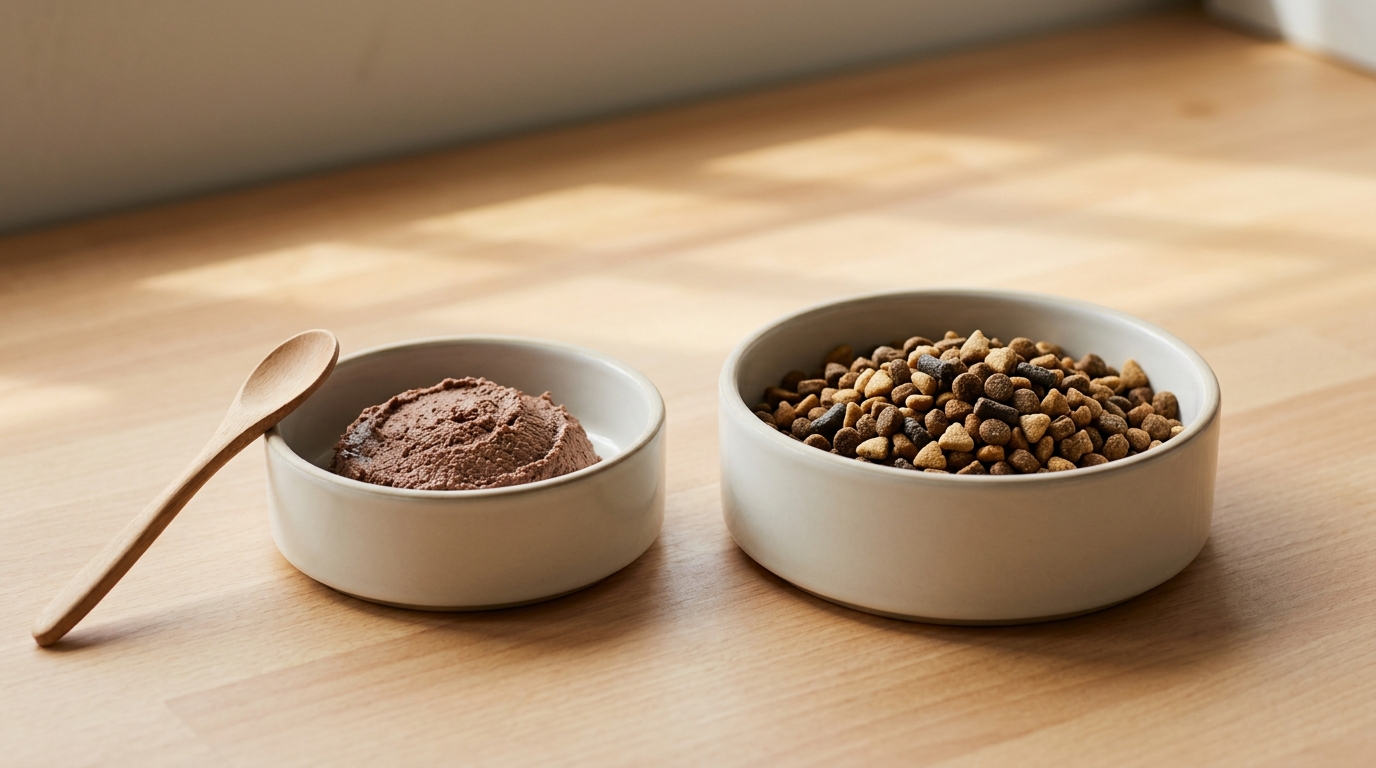
The Hong Kong cat food market isn't growing as much as people realize. It's not simply a matter of "Hong Kong people loving cats more," but rather a shift in spending habits. Cat owners are beginning to view their pets as family members who deserve serious health care. If you manufacture or export pet food, this data isn't just market news; it's a signal of what kind of products Hong Kong will really need in the next 3-5 years.
Why is the Hong Kong cat food market attractive to Thai SMEs right now?
Figures released from the Hong Kong Cat Expo 2026 show that the pet market in Hong Kong is valued at around HK$6.92 billion annually, and the average monthly expenditure of some cat owners reaches as high as HK$2,062, or approximately US$263 per month. This is no small figure, representing a 2.81% growth compared to the previous year.
More noteworthy than the total figures is the changing market structure. The cat population in Hong Kong aged 4–7 years is increasing from 20.81 TP3T in 2024 to 28.21 TP3T in 2026. These cats will enter old age in the next 3–5 years, meaning the demand for senior cat healthcare products will continue to grow anytime soon.
Thailand is one of the world's largest producers of pet food, with many factories that meet GMP and HACCP standards and competitive production costs. However, successfully entering the Hong Kong market is not just about product quality; it involves detailed documentation, labeling, and product registration that must be properly prepared beforehand.
What is the senior cat economy, and how is it changing the market?
The term "cat silver economy" isn't just a marketing ploy; it reflects the actual behavior of cat owners in Hong Kong, who are beginning to spend on their pets in the same way they would on caregivers for elderly family members—including special food, supplements, vitamins, and medical care.
A survey of over 2,500 cat owners revealed that 851 TP3T (pet health products) increased their spending on cat care over the past year, with health products accounting for 14.41 TP3T of total spending – a significant proportion considering the overall market size. For Thai SMEs producing pet supplements or specialized pet food, this signals genuine market demand, not just a passing trend.
Another interesting trend is that human product brands are increasingly entering the pet market. Hong Kong consumers trust brands that already produce human products and are now developing formulas for cats. If you have a brand with a proven track record of ingredients and manufacturing standards, this could be an attractive entry point.
Which Thai product categories have the greatest potential in this market?
Based on the spending patterns of cat owners in Hong Kong, the product opportunities for Thai manufacturers can be categorized into several groups, not just general cat food.
- Specialized cat food formula for senior cats. For example, formulas with reduced phosphorus, joint support, and easy digestion are suitable for cats aged 7 years and older.
- Supplements and vitamins for cats. For example, omega-3, glucosamine, probiotics, and natural extracts that are supported by research.
- High-quality wet cat food It uses real protein ingredients, not by-products, and has clear nutritional labeling.
- Toys and lifestyle accessories for cats. Designed with craftsmanship or natural materials, which is a strength of Thai manufacturers.
- Cat cleaning and hygiene products For example, shampoos and dental care products that use natural ingredients.
- Cat litter made from natural materials. For example, cassava sand and corn sand are becoming popular in the premium market.
What the Hong Kong market values more than price is the credibility of the ingredients, clear labeling, and communication about how the product is good for cat health. If your product clearly demonstrates these aspects, entering the market will be easier.
Hong Kong Cat Food: Things to Check Before Exporting
Hong Kong doesn't have as complex pet food import regulations as some other countries, but that doesn't mean it's without conditions. Here's what you need to check before actually exporting:
- Veterinary Health Certificate For pet food containing meat ingredients, Hong Kong may require certification from the Thai Department of Livestock Development. Please check the latest requirements before shipping.
- English or Chinese label The label must specify the ingredients, net weight, manufacturer's name, and country of origin. Incomplete labels may be detained at customs.
- Identifying correct ingredient claims. If a product states "grain-free" or "senior formula," it must contain actual ingredients to support these claims. Exaggeration can be problematic for buyers.
- GMP or HACCP production standards. Premium buyers in Hong Kong often request factory certification documents before making a purchase decision.
- Certificate of Analysis (COA) For dietary supplements or vitamins, it is recommended to have test results from a certified laboratory to confirm the amount of active ingredients.
- Shelf life and storage conditions. It must be clearly stated on the label and comply with the actual transportation conditions, especially for wet food that requires temperature control.
- Terms and conditions of the importer or distributor at the destination. Each buyer in Hong Kong may have additional requirements, such as product registration with AFCD (Agriculture, Fisheries and Conservation Department). This should be clarified before sending the first batch.
Thailand-Hong Kong transportation routes and things to plan in advance.
Hong Kong is an easily accessible market from Thailand, both by sea and air, but choosing the right mode of transport depends on the type of product and its shelf life.
For dry food or cat litter with a long shelf life, LCL (Less than Container Load) shipping by sea is a cost-effective option. Shipping time from Laem Chabang port to Hong Kong is approximately 3-5 days, depending on the shipping schedule. However, including document preparation and customs clearance at the destination, planning should be done at least 2-3 weeks in advance.
For wet foods or supplements requiring temperature control, air freight may be necessary, but the cost will be significantly higher. The final landed cost should be calculated before setting a selling price, including transportation costs, insurance, handling fees at the destination, and distributor margins.
If you are planning to participate in the Hong Kong Cat Expo 2026, held in late July 2026, you need to plan your pre-shipment of samples carefully, as samples shipped to Hong Kong still have to go through the normal customs clearance process and do not arrive immediately.
Costs to calculate before deciding to export.
Many people focus only on the high selling prices when looking at the Hong Kong market, but forget to calculate hidden costs. Before deciding to export, you should calculate all landed costs thoroughly.
- Production and packaging costs This also includes the cost of designing English/Chinese labels, which may require hiring a specialist.
- Lab test fees For COA (Certificate of Analysis) or contaminant testing, the cost can range from 5,000 to 20,000 baht per item, depending on the type of test.
- Fees for certification documents from Thai authorities. For example, a health certificate from the Department of Livestock Development involves fees and processing time. Allow at least 1–2 weeks.
- Shipping costs and freight LCL (Less Than Container Load) shipping from Thailand to Hong Kong may cost around 3,000–6,000 baht per CBM, depending on the time of year and carrier.
- Customs clearance fees in Hong Kong Hong Kong generally has no import tax, but handling and agent fees must be included.
- Margin of the distributor or importer. The general range is 20–40%, depending on the product type and distribution channel. This should be clearly stated during negotiations from the outset.
If the calculations show a satisfactory margin after deducting all costs, it's time to plan a test batch. However, if the margin is too thin, consider adjusting the selling price or identifying areas for cost reduction before deciding to send a large batch.
Things to be prepared for communicating with Hong Kong buyers.
Buyers in Hong Kong, especially those selling premium products, often ask these questions before making a purchase. If you can answer clearly and provide the necessary documentation, your chances of getting the order will be higher.
- Does the factory have GMP or HACCP certifications, and by which agency?
- Is there a Certificate of Analysis (COA) from the accredited lab, and what tests were performed?
- Where do the main ingredients come from? Is there any traceability documentation?
- Can the labels be adapted to Chinese, and who is responsible for the costs?
- What is the MOQ (Minimum Order Quantity) and what is the production lead time in weeks?
- Is there insurance for the goods during transit, and what type of damage is covered?
Preparing answers and documents for these questions in advance will help make negotiations with buyers smoother and reduce the risk of wasting time with buyers who don't meet your product standards.
The Hong Kong Cat Expo 2026 and its use as a market testing platform.
The Hong Kong Cat Expo 2026, to be held from July 31st to August 2nd, 2026 at the Hong Kong Convention and Exhibition Centre, will feature over 180 exhibitors and more than 400 booths. This is a platform where cat product manufacturers from around the world can meet directly with Hong Kong buyers and consumers.
For Thai SMEs that have never entered the Hong Kong market, participating in events like this is an effective way to test the market. It allows you to see how buyers and consumers respond to your products before deciding to invest in full-scale export. However, careful planning is essential, including sending product samples, preparing temporary import documents, and scheduling appointments with buyers in advance.
If you're not attending the event yourself, shipping your products through a participating agent or distributor is another option. However, make sure the agent you choose has a sufficient understanding of your product to effectively communicate its value proposition.
Things to watch out for before entering the Hong Kong cat food market.
This market shows positive signs, but there are risks that need to be known beforehand. Not every product will be able to enter the market immediately.
Firstly, regarding import regulations, this article does not provide detailed information on customs rules or product registration. It is advisable to check the latest conditions with the Hong Kong AFCD or directly with an experienced consultant in this market, as regulations may change.
Secondly, regarding competition, the premium cat food market in Hong Kong has established brands from Europe, Australia, and Japan with established customer bases. Entering the market as a new brand requires a clear positioning that highlights how your product differs from competitors.
Thirdly, regarding shelf life and stock management, if the end buyer orders less than expected or the product sells slower than anticipated, there may be issues with the product expiring before it's all sold. Clear terms for returns and responsibilities should be agreed upon from the outset.
Fourthly, regarding label translation and communication, incorrectly translated labels or those using inappropriate language in the Hong Kong market can create problems. Labels should be reviewed by someone familiar with the Hong Kong market before being translated directly from Thai.
A decision-making framework before you invest in this market.
Before you decide to invest in exporting to Hong Kong, ask yourself these questions.
- Does your product have a clear differentiating point for the premium market, or is it just a generic product competing solely on price?
- Do you have the manufacturing standard certifications that premium buyers require?
- Do you have the resources to conduct a test batch and wait for feedback for 3–6 months without impacting your core cash flow?
- Do you have any contacts or agents in Hong Kong who really know this market?
- Does the total cost, including documentation fees, shipping costs, and distributor margins, still provide a satisfactory profit margin?
If you answer "yes" to most of these questions, this market is worth seriously considering. However, if there are still many gaps, you may need to be more prepared.
The next steps you should take if you are truly interested in this market.
If you've read this far and feel this market is interesting for your business, here are the next steps you should take:
First, check the Hong Kong pet food import requirements directly from AFCD or through an experienced consultant in this market. Do not rely solely on outdated or secondhand information, as regulations can change at any time.
Step two: Review your product labels and documentation to ensure they are ready for the Hong Kong market, including the language, nutritional information, and claims stated on the packaging.
Step three: Calculate all landed costs before setting the selling price and negotiating with the buyer to ensure that the actual margin obtained is worthwhile for the investment.
Step four: Find contacts or distributors in Hong Kong who are familiar with the pet market and have distribution channels that match your product's target audience, whether it's pet specialty stores, online platforms, or vet clinics.
For more information on exporting goods to Hong Kong and planning international logistics, you can refer to the following reference materials. smeshipping.com
The Hong Kong cat food market is showing clear signs of growth, and there is still room for manufacturers with quality products and proper documentation. However, successful market entry starts with proper preparation, not just rushing to ship products beforehand.
Hong Kong cat food: Double check the price before discussing and before closing the order.
Before submitting a bid to a buyer in Hong Kong, you should clearly separate the cost of the goods, packing costs, shipping costs, insurance, documentation fees, and destination charges. If you combine everything into a single lump sum, you won't know where your profit goes when shipping costs change.
For pet products, the first step before agreeing to a price quote is to obtain complete destination information from the buyer. This includes the preferred port, Incoterms terms, desired delivery date, payment method, and any necessary customs documents. This information helps you assess the risk before accepting the order.
If a buyer requests a price quote, you should check it carefully. Avoid giving a broad, approximate price; instead, provide a price range, specify the quotation's expiration date, and mention that freight surcharges or other additional costs may vary depending on the shipping booking date. This helps prevent disputes when the goods are ready for shipment.
Documentation issues should be checked from the beginning, not waiting until production is complete to inquire. Some documents require time to obtain from relevant agencies or labs. Missing documents on delivery day can result in costs beyond just penalties, including delays and decreased buyer trust.
The key areas to discuss with your freight forwarder are exporting ready-to-use pet food and pet health products to Hong Kong, paying attention to product registration, ingredient claims, packaging language, and participation in trade fairs for market entry. Ask about transit times for standard routes, alternative routes in case of risks, costs not included in the freight quote, and insurance claim conditions in case of damage or delays.
Another point to be aware of is that this is a demand/trend story, not a regulation story. It supports product planning and channel selection, but does not provide customs or compliance details. This is because this information may not be visible in the initial quotation but will emerge when the buyer reviews documents or when customs at the destination request additional information. Preparing this information in advance can help speed up the deal.
- Separate the cost of goods, shipping, insurance, and documentation onto different lines before submitting a price quote.
- Clearly confirm the Incoterms with the buyer, specifying who is responsible for the final delivery costs.
- Verify that the HS Code and product name in the invoice match the packing list and shipping documents.
- Please provide a freight quote that includes all applicable surcharges, not just the base freight price.
- Specify the expiration date of the quotation to mitigate the risk of fluctuating freight rates.
- Keep product certification documents and product photos ready to respond to buyers immediately.
- Start with a sample shipment if you haven't shipped to this market before, to reduce risk before placing a large order.
If you use this checklist before starting pricing discussions, your first export transaction won't be guesswork, but rather a decision based on actual costs, real documentation, and real risks. This will help you negotiate with the buyer with more confidence.
Source: Department of International Trade Promotion (DITP)
Hong Kong Cat Food: Check the terms and conditions before making a decision.
Before confirming a price for Hong Kong cat food products, it's crucial to thoroughly review all documentation, costs, and end-use conditions. This approach minimizes risk and allows for informed planning.
For more official information, please check: Related sources of information



 English
  Thai
Thai