


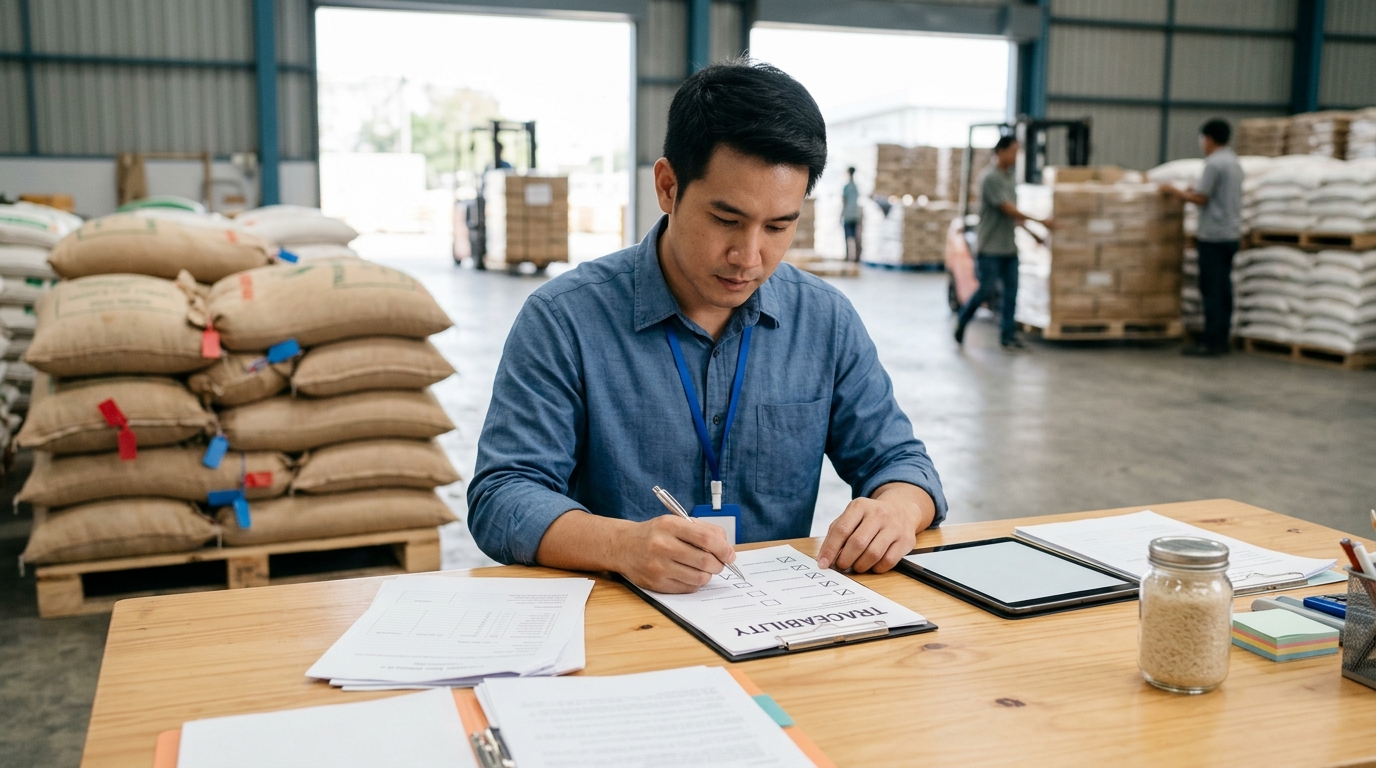
If you export rice or other agricultural products to the Middle Eastern market and Iran is on your buyer list, there are things you should know before your next shipment leaves the warehouse. Iran is tightening its rice import regulations, including scrutiny of the source, product standards, and batch traceability. This is a signal that directly impacts your exports. Exporting rice to Iran. During this period
Why is Iran tightening its security measures now?
Iran is not tightening controls because it wants to reduce imports, but primarily to protect domestic consumers and support the competitiveness of domestic rice producers. When the government decides to mandate scrutiny of the source and standards of goods at all import channels, it means that items that previously passed through easily may be delayed or rejected if the documentation is incomplete.
For Thai exporters, this isn't just policy news; it's a warning sign that if you continue to use the same documents that have been accepted before, the chances of your goods being held up at Iranian customs are significantly higher than before.
The real risk if the documents are not complete.
The concern isn't just whether the goods will clear customs or not, but the time and costs lost if they are delayed at the destination. Rice is a perishable commodity; if it's held up at the port or requires further inspection, you could face inflated container fees, dissatisfied buyers, and in worse cases, the goods being returned or destroyed.
Another risk is that the scope of the regulations is not yet fully clear. The affected HS codes and specific details of the requirements are not yet fully specified in the currently available resources. This means you need to be even more cautious, and not wait for things to become clear before preparing.
5 things to check before exporting rice to Iran.
If you are preparing to export a batch of rice or other agricultural products to Iran, check this list before booking a container or confirming an order with the buyer.
- Certificate of Origin — It must be issued by an agency recognized by Iran and clearly state the source, not just the exporting country, but must be traceable back to the lot level or source of production.
- Product quality and standard certificates — Exported rice should have quality control results from an accredited laboratory, specifying moisture content, impurities, and standards that meet the buyer's requirements or the regulations of the destination.
- Lot Traceability Information — Iran wants traceability, allowing authorities to verify the origin of each shipment, the processes it underwent, and how it was stored. This documentation is often overlooked but is becoming an increasingly scrutinized point.
- Phytosanitary Certificate and Hygiene Certificate. — For agricultural products, this document is still required and should be reissued to match the actual shipment batch, not an old version that has been outdated.
- Confirming to the buyer that this set of documents meets current requirements. — Before shipping the goods, be sure to clarify with the buyer in Iran what additional documents they require under the new regulations. Don't assume the old documents are still acceptable.
Does this only affect rice, or other agricultural products as well?
The current signals focus primarily on rice, but if you export agricultural products or processed foods to Iran, you should monitor whether these same rules will extend to other product types. The policy direction is towards tightening import controls on agricultural products in general, not just rice.
If you ship multiple types of products to the same market, preparing your documentation system now will greatly reduce future complications, rather than having to resolve issues batch by batch once shipments are delayed.
How to think before making decisions for the next batch.
If you are planning to ship rice or agricultural products to Iran during this period, the first question you should ask yourself is: Do the documents you have fully meet the requirements for origin verification and standards? If you can't answer that clearly, that's a sign you need to check before booking a container.
Planning the documentation and standards before shipping isn't complicated, but it needs to be done before, not after, the goods have left the warehouse. For those who need more information on preparing export documentation in general, SME SHIPPING It is also one of the resources that compiles information on international export for Thai SMEs.
What should be done now is to have clear communication with the buyer in Iran, check the existing documentation, and if any gaps are found, resolve them before the goods leave Thailand. Because resolving issues at the destination is always more costly than being prepared from the start.
Source: Department of International Trade Promotion (DITP), Global Market Insight News, June 18, 2026. Iran tightens rice import regulations: Standard signals and source verification requirements that exporters must check.





 English
  Thai
Thai