


If you're shipping goods to the North American market, whether it's the United States, Canada, or Mexico, the issue is... USMCA Canada What's happening right now isn't just international political news; it's directly impacting your originating documents, import taxes, and shipping plans. If you haven't checked anything yet, now's the time to start.
On July 1, 2026, the United States, under the Trump administration, rejected a 16-year extension of the USMCA, despite Canada and Mexico's desire for renewal. As a result, the agreement remains in effect but is now in annual review mode. This means that every July 1st, the three countries must reconsider their decision on whether to proceed, and if any country gives six months' notice of withdrawal, the situation can change immediately.
For Thai SMEs exporting to this market, this kind of uncertainty is not something they can afford to ignore, as it directly impacts costs, documentation, and advance planning with buyers.
What is USMCA Canada, and why does it affect Thai SMEs?
USMCA, or CUSMA as it's known in Canada, is a free trade agreement between the United States, Canada, and Mexico that replaced NAFTA in 2020. This agreement stipulates that goods produced in North America and meeting the Rules of Origin are exempt from or have reduced import tariffs between the three countries.
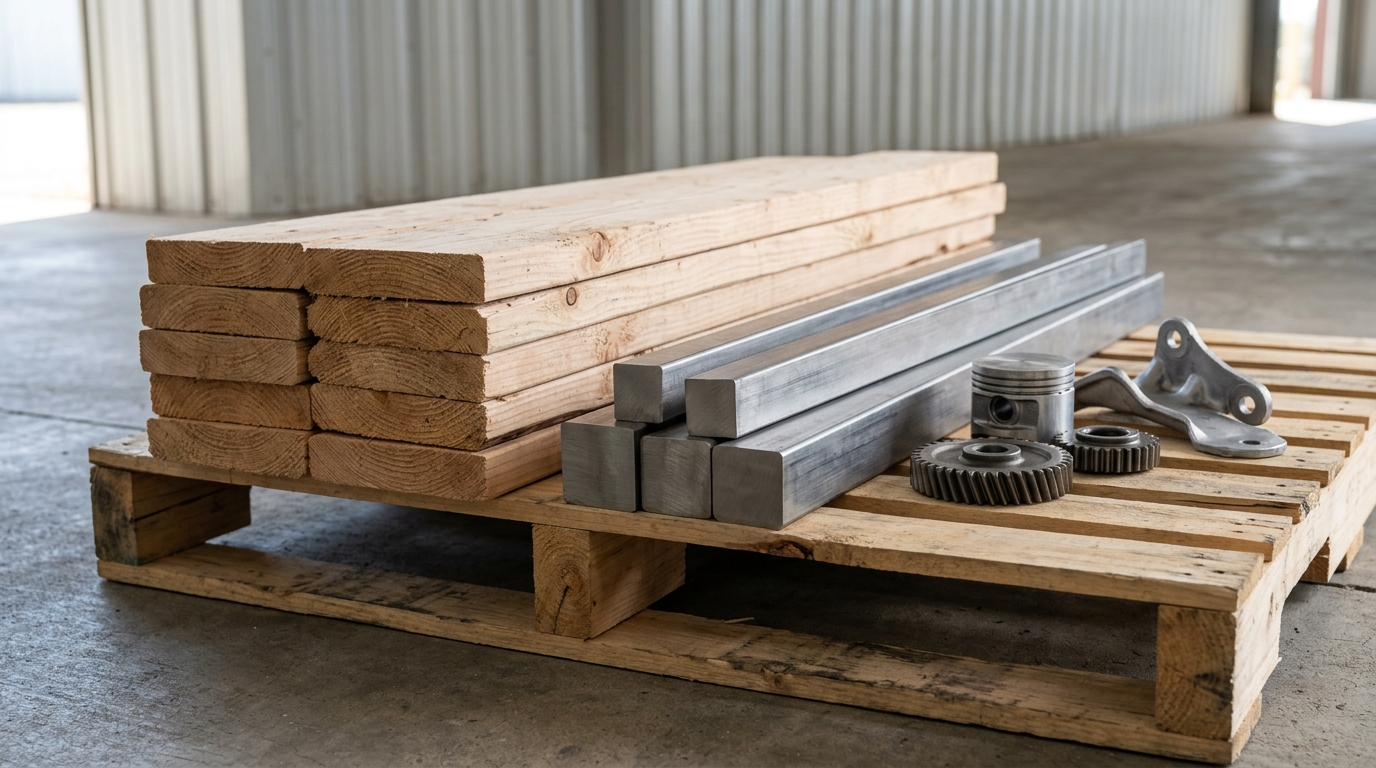
The question is, how does this affect Thai SMEs since Thailand is not a party to the USMCA? The answer is: if you ship automotive parts, steel, or wood to manufacturers in Canada or Mexico for assembly and reshipment to the US under USMCA, your products are part of that supply chain. If the upstream rules change, the downstream manufacturers may need to adjust their raw material mix, and you could be replaced by regional suppliers.
Furthermore, if you ship directly to the United States or Canada, the uncertainty surrounding the USMCA also has an indirect impact, as buyers in these markets are delaying investment decisions and purchases, which could lead to order delays or reduced volumes.
What is the actual status of the USMCA right now, before you panic?
It's important to understand first that the USMCA agreement hasn't expired. Most goods that meet the Rules of Origin can still be exported between the three countries tariff-free. The change in status is that, instead of a 16-year renewal, it's now in annual review mode. This means uncertainty will be with us for a long time, not just this year.
Meanwhile, the U.S. already maintains preferential tariffs on certain product groups, including automobiles, steel, and wood products, which are not exempt from tariffs even though they are included in the USMCA. The U.S. is also preparing to announce a new Global Tariff Regime in late July 2026 to replace the temporary IEEPA measure that was previously invalidated by the Supreme Court.
Therefore, what you should do now is not to wait and see what happens, but to check how well your documentation and plans accommodate the changes.
The product groups most at risk from uncertainty regarding the USMCA.
Not all products are affected equally. The groups that require the most attention right now are automotive parts, steel and steel products, and processed wood or wood products, because these three groups still have special tariffs in place and are the main targets of the new round of negotiations to adjust import tariffs.
For the automotive sector, the U.S. proposes increasing the proportion of regional manufacturing from 75% to 82% and requiring vehicles to use at least 50% U.S.-made parts. If this proposal passes, your Canadian and Mexican manufacturers, who are buyers, may have to reduce their purchases of parts from outside the region, including from Thailand.
Furthermore, the US is pressuring its two allies to raise tariffs on Chinese goods to align with its own policies. This could indirectly affect Thai products containing Chinese components in the supply chain, as buyers may be pressured to scrutinize the origin of raw materials in the supply chain more thoroughly.
USMCA Canada: Documents to check before actually shipping an item.
If you ship goods to North America, whether directly or through a supply chain, here's what you should review before the rules change.
- Certificate of Origin or USMCA Origin Certification Document: If your buyer in Canada or Mexico needs this document to claim tax breaks in the U.S., ensure the document you issue contains accurate and complete originating information according to current requirements.
- Bill of Materials and Proportions of Raw Materials: If your product consists of components that the buyer will assemble, check that the proportion of raw materials from your country of origin still meets the buyer's required Rules of Origin.
- Commercial invoice clearly stating the HS Code: A correct HS code helps the customs authorities at the destination classify the goods properly and reduces the risk of further inspection.
- The packing list matches all items on the invoice: Inconsistencies in documentation are a major reason why goods are held up at customs.
- Documents showing the source of the raw materials: Especially if your products contain components from China, you should prepare documentation verifying the source in advance, as buyers may be asked to provide proof of supply chain to U.S. authorities.
- Sales contract and Incoterms: Review whether the delivery terms agreed upon with the buyer accommodate sudden changes in taxes. Who is responsible for import duties if the regulations change?
- Product standard certificate: For products in the automotive or construction material sectors, verify that existing certifications are still valid and meet the standards required by the end market.
The impact on costs and prices is something you should calculate in advance.
The uncertainty surrounding the USMCA affects not only documentation but also the actual costs you bear. If the U.S. announces a new Global Tariff Regime at the end of July 2026, the tariffs applied to your goods could change immediately. This means the price you offer the buyer may no longer cover the actual costs.
For example, if you ship steel components to Canada and your buyer then manufactures them for shipment to the United States, existing US steel tariffs might be increased, or the exemption criteria might be interpreted more narrowly. This could increase the buyer's costs, leading them to pressure you on price or reduce their order.
In numerical terms, the current US import tariff on steel is approximately 25% for certain categories. If the exemption criteria under the USMCA are narrowed, the buyer's cost could increase by several percent per ton, directly impacting the competitiveness of Thai products in this supply chain.
What you should do is recalculate the landed cost, assuming taxes might increase by 5-10% from current levels, and then see if your offered price is still profitable. If not, you should discuss with the buyer in advance how you will share the tax burden.
The timeframe and timeline that need to be monitored during this period.
There are several key points to watch in the second half of 2026. The first is the end of July 2026, when the U.S. is preparing to announce a new Global Tariff Regime. This is a point that could immediately change the tariffs applied to your goods.
The second point is the bilateral negotiations between the United States and Mexico, with the third round scheduled for late July 2026. The outcome of these negotiations will determine how much the United States will push for new origin criteria in the automotive sector, which will affect the supply chain you are in.
The third point is the negotiations between the United States and Canada, which have not yet officially begun. This delay in negotiations means that uncertainty will persist, and buyers in Canada may delay their purchasing decisions in the meantime.
And finally, it's important to remember that every July 1st until 2036, all three countries will have to review the status of the USMCA. This means that this uncertainty won't disappear anytime soon.
Questions you should ask your Customs Broker and Freight Forwarder.
If you're shipping goods to North America, whether by sea or air, here are some questions you should ask your customs broker or freight forwarder right now to ensure you're not missing anything important.
- Is the current HS Code still correct and up-to-date? Have there been any new tariff schedule adjustments that affect our products?
- If the U.S. announces new tariffs at the end of July, will goods in transit be subject to either the old or new tariffs?
- Do the origin documents we are currently using meet the requirements of the destination customs? Are there any areas that need improvement before the next shipment?
- If our buyer is located in Canada and wants to manufacture the products for shipment to the United States, are there any additional documents we need to prepare for them?
- Are the current transportation routes at risk of changes in time or cost during this period?
How to talk to buyers in North America about this uncertainty.
What's harder than preparing the documents is having a frank conversation with the buyer about this, especially if you have a long-term contract or an agreed-upon price.
What you should do is start a conversation with the buyer in advance, before the tariffs change, instead of waiting for a problem to arise before notifying them. Try sending a short email informing them that you are monitoring the USMCA situation and that you will notify them in advance if there are any changes that affect costs. This helps build trust and gives the buyer time to plan.
Furthermore, if your buyer is a manufacturer in Canada or Mexico, they may also be facing pressure regarding source standards. Understanding the situation and being able to provide additional information will make you appear as a more reliable partner than just a typical supplier.
Supply chain diversification: What should we consider?
If you are primarily reliant on the North American market, now is a good time to reconsider whether you have alternative options. Not because you need to switch immediately, but because having a backup plan will allow you to make better decisions in case the situation changes rapidly.
Additional markets to consider for automotive and industrial parts include Europe, Australia, and expanding automotive manufacturing markets in Southeast Asia, such as Indonesia and Vietnam. However, entering new markets requires time and different standard documentation, so it's advisable to start exploring them now, rather than waiting for existing markets to close.
For more information on export planning and customs documentation, you can refer to the following references: smeshipping.com This compiles information related to international exports for Thai SMEs.
The issue of China in supply chains: Why it affects you.
One of the main demands of the United States in this round of USMCA negotiations is to contain Chinese goods in the supply chain, by pressuring Canada and Mexico to raise tariffs on Chinese goods in line with U.S. policy.
For Thai SMEs, this issue impacts them in two dimensions. Firstly, if your products contain components sourced from China, buyers in Canada or Mexico may be pressured to thoroughly scrutinize their own supply chains and may request documentation verifying the origin of their raw materials.
The second dimension is that if Canada or Mexico are forced to impose tariffs on Chinese goods as pressured by the US, your buyers' production costs could increase, potentially leading them to adjust prices or reduce order quantities in the short term.
Things to continue monitoring over the next 6-12 months.
The uncertainty surrounding the USMCA isn't ending anytime soon, so continuously monitoring the information is more important than making a single decision. Here's what to keep an eye on.
- The U.S. announced a new Global Tariff Regime at the end of July 2026. Check to see if this affects your product's HS Code.
- The results of bilateral negotiations between the United States and Mexico, particularly regarding the origin criteria for vehicles.
- Canada's stance on Chinese investment in the automotive industry is a point of clear displeasure for the United States.
- Changes to Canada's digital regulations and dairy quotas are issues that the United States is pressuring them to address.
- Are you getting any signals from your buyers indicating that they are delaying orders or requesting adjustments to their terms?
- The exchange rate between the Canadian dollar and the US dollar is affected by policy uncertainty, which often impacts currency values.
In summary: There's no need to panic yet, but we should be prepared.
The USMCA in Canada has not yet ended, and most shipments are still proceeding normally. However, what has changed is the significantly increased level of uncertainty, and several key turning points are expected to occur during July and August 2026.
What you can do now is review and update your source documents and HS Code, recalculate your landed cost incorporating potential increased tax risks, discuss this uncertainty with your buyer in advance, and prepare contingency plans in case the rules change faster than expected.
Preparing in advance doesn't mean you have to change all your plans now, but it means you won't be caught off guard if the situation changes faster than expected.
USMCA Canada: Double-check before negotiating prices and before closing the container.
Before quoting to buyers in Canada/North America, you should clearly separate the cost of the goods, packing costs, shipping costs, insurance, documentation fees, and destination charges. If you combine everything into a single lump sum, you won't know where your profit goes when shipping costs change.
For the automotive, steel, wood, digital services, and dairy-related trade sectors, the first step before submitting a price quote is to obtain complete destination information from the buyer. This includes the preferred port, Incoterms terms, desired delivery date, payment method, and customs documentation. This information helps you assess the risk before accepting the order.
If a buyer requests a price quote, you should check it carefully. Avoid giving a broad, approximate price; instead, provide a price range, specify the quotation's expiration date, and mention that freight surcharges or other additional costs may vary depending on the shipping booking date. This helps prevent disputes when the goods are ready for shipment.
Documentation issues should be checked from the beginning, not waiting until production is complete to inquire. Some documents require time to obtain from relevant agencies or labs. Missing documents on delivery day can result in costs beyond just penalties, including delays and decreased buyer trust.
The key areas to discuss with your freight forwarder are: checking USMCA/CUSMA rules of origin, supplier content, and supporting documents for North American shipments—especially auto parts, steel, and wood products. Build contingencies for tariff changes and longer negotiation uncertainty. Ask about standard shipping times, alternative routes in case of risk, costs not included in the freight quote, and insurance claim conditions in case of damage or delays.
Another point to be aware of is that "No immediate termination is described; current agreement remains in force. The main actionable risk is future rule changes, sector tariffs, and origin-compliance pressure. Unknown: exact impact on Thai SMEs depends on their product and shipping lane." This is because these issues may not be visible in the initial quotation but will emerge when the buyer reviews documents or when customs at the destination request additional information. Therefore, preparing information in advance can help speed up the deal.
- Separate the cost of goods, shipping, insurance, and documentation onto different lines before submitting a price quote.
- Clearly confirm the Incoterms with the buyer, specifying who is responsible for the final delivery costs.
- Verify that the HS Code and product name in the invoice match the packing list and shipping documents.
- Please provide a freight quote that includes all applicable surcharges, not just the base freight price.
- Specify the expiration date of the quotation to mitigate the risk of fluctuating freight rates.
- Keep product certification documents and product photos ready to respond to buyers immediately.
- Start with a sample shipment if you haven't shipped to this market before, to reduce risk before placing a large order.
If you use this checklist before starting pricing discussions, your first export transaction won't be guesswork, but rather a decision based on actual costs, real documentation, and real risks. This will help you negotiate with the buyer with more confidence.
USMCA Canada: Documents, standards, and evidence that buyers should receive.
For automotive, steel, wood, digital services, and dairy-related trades entering Canada/North America, you should separate cargo documentation from shipping documentation from the outset. Cargo documentation may include specifications, ingredient lists, certificates, test reports, and labels. Shipping documentation should ensure that the invoice, packing list, bill of lading, and other originating documents match in terms of product name and quantity.
If a product requires lab testing, don't wait until production is complete to send samples. Ask the buyer beforehand what standards are required, which labs are reputable, and how long the test results are valid. This helps reduce duplicate testing and allows for more realistic delivery dates.
Labels and packaging should be reviewed from the artwork before actual printing. The buyer should confirm the product name, ingredients, weight, country of origin, production date, expiration date, and any warning messages required by the target market. Revising the artwork is also cheaper than modifying a finished product.
It's advisable to keep a complete set of evidence for each lot, including product photos, labels, outer boxes, batch numbers, and quality control documents. When the buyer or customs ask, you'll be able to answer with a single set of information, avoiding the need to search multiple parties during rush orders.
- Please provide a written checklist of documents from both the buyer and the customs broker.
- Confirm that the product name, HS Code, and details in the invoice are consistent.
- Check that the certificate and test report are valid for the specified dates and cover the import period.
- The buyer must approve the label artwork before ordering the actual packaging production.
- Link the lot number to the packing list and include photos of the product before sealing the box.
- Allow time for document revisions and requests for additional information from the recipient.
Source: Department of International Trade Promotion (DITP)
USMCA Canada: Check the terms and conditions before making a decision.
USMCA Canada should begin by thoroughly reviewing the documentation, costs, and end-user conditions before confirming a price. This approach helps reduce risk to USMCA Canada and allows for planning based on factual information.
For more official information, please check: Related sources of information
USMCA Canada: Check the terms and conditions before making a decision.
USMCA Canada should begin by thoroughly reviewing the documentation, costs, and end-user conditions before confirming a price. This approach helps reduce risk to USMCA Canada and allows for planning based on factual information.





 English
  Thai
Thai