


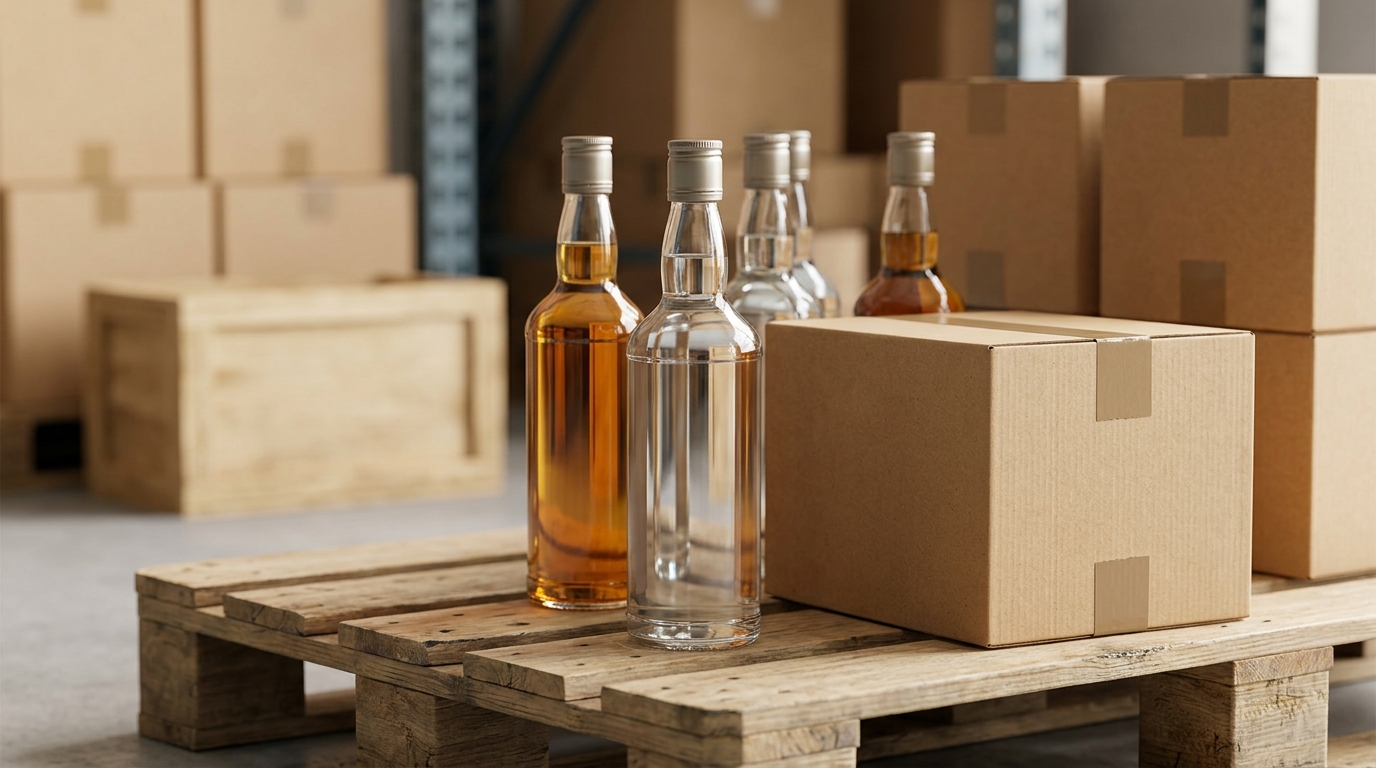
If you export Thai liquor to Germany, or are planning to enter that market, the German liquor tariff of 2027 is a signal you should understand now, not wait for the law to pass parliament before making decisions. Adjusting the pricing structure with importers takes months, and if you delay, competitors who have planned ahead will have a negotiating advantage with distributors.
The German federal government has approved a draft law, 20%, to increase excise taxes on alcoholic beverages, aiming for implementation on January 1, 2027. This will cover high-alcohol spirits such as rum and vodka, as well as champagne, sparkling wine, fortified wine, and alcopops. Beer and regular wine are excluded from this round of tax increases. The government anticipates an increase in revenue of around €455 million per year, and there is talk of further tax increases for the next two years, until 2029.
To reiterate, this draft law is not yet in effect. It still needs to go through several parliamentary and legislative processes. But that doesn't mean you can just sit back and wait, because the timeline for business planning and the timeline for legislation don't align. You need to start thinking about it before the law is finalized.
What impact will the German liquor tax in 2027 have on Thai exporters?
Many people misunderstand this tax, thinking it only affects retail prices in Germany. In reality, it impacts the source, the landed cost that your importer must bear. When landed costs increase, importers have two options: either request a lower FOB price from you, or raise their retail price and accept a potential decrease in sales. Both options directly affect you.
A clear example is a 700 ml bottle of vodka with 401 TP3T of alcohol; its retail price would increase by almost €1 per bottle. If your importer sells Thai spirits in the €15-20 range per bottle, a €1 increase is equivalent to 5-71 TP3T in retail price—a significant figure in a market where consumers constantly compare prices.
It's also important to understand that this tax applies to both domestically produced and imported goods at the same rate. Therefore, you're not at a tax disadvantage compared to European manufacturers. However, this means everyone has to adapt, and those who adapt faster will secure a better position on retailer shelves.
Affected product categories: Check which category your product falls into.
Not all alcoholic beverages are subject to this tax increase. Knowing whether your product is among those affected is the first step before making any decisions.
- High-alcohol spirits (Spirits) For example, rum, vodka, whiskey, and herbal liqueurs are directly affected.
- Champagne and sparkling wine — It is also among those whose taxes have been increased.
- Fortified wine For example, Port Cherry is among those affected.
- Alcopops Or ready-to-drink alcoholic beverages — were affected.
- beer — The taxes have not been increased this round.
- Still wine — The taxes have not been increased this round.
- Sugar-added beverages (Sugar tax) — There are separate plans in place from 2028, which are still under discussion.
If you export Thai spirits, such as herbal liquors, rice liquors, or high-alcohol traditional spirits, you are considered to be in the group affected and should start discussing with your importers how they plan to cope with the increased costs.
German liquor tax 2027: Impact on recalculated landing costs.
Landed cost is the total cost of your goods reaching the importer in Germany. It includes the FOB price + freight charges + insurance + EU import duties + excise duty + VAT. If the excise duty increases to 20%, the landed cost will increase accordingly. The importer then uses this figure to calculate their profit margin.
Let's look at some rough figures. Suppose Thai liquor exported to Germany has an FOB price of 5 euros per bottle, plus 1 euro for shipping and other expenses. EU import duties on liquor are approximately 0.5-1 euro, and the existing excise tax is around 1.3 euros per liter of pure alcohol. If the excise tax increases to 20%, that's an increase of approximately 0.26 euros per liter of pure alcohol. Therefore, a 700 ml bottle at 40% ABV would cost approximately 0.7-1 euro per bottle.
This number may seem small if you only look at one bottle, but if you export 500-1,000 bottles a month, the impact on the importer's margin will be very clear, and good importers will start asking you about this even before the law is passed.
Customs documents and procedures that should be reviewed before 2027.
Although this excise tax increase doesn't directly change transportation routes or customs procedures, there are several documents and information you should check and have updated before the law comes into effect.
- Certificate of Origin (Form A / EUR.1) — Check if your products are eligible for GSP or FTA benefits, as EU import duties and excise taxes are separate.
- Health Certificate / Lab Analysis — Germany and the EU require accurate ABV (Alcohol by Volume) data because excise taxes are calculated based on the volume of pure alcohol.
- Product Label Compliance — The label must state the correct ABV according to EU standards. If the ABV in the documents does not match the label, there may be problems at customs.
- Excise Duty Registration of Importer — Ensure your importer has a valid Excise Duty Number in Germany, as liquor imports must go through the EU's EMCS (Excise Movement and Control System).
- Customs Tariff Code (HS Code) — Verify that the HS Code being used is correct and matches the product type, as excise tax rates vary depending on the HS Code.
- Commercial Invoice and Packing List — The ABV and the amount of pure alcohol per unit must be clearly stated so that the importer can calculate the excise tax correctly.
- Insurance Document — Check that the coverage includes the total value of the goods, including any additional taxes.
Preparing all the necessary documents correctly now will help reduce the risk of your goods being subjected to additional inspection at German customs, which could lead to delays and extra costs.
How to have an effective conversation with an importer before the law comes into effect.
One thing Thai SMEs often do too slowly is start discussing costs with importers. Typically, European importers plan their orders 6-12 months in advance, so if the law comes into effect in early 2027, a good importer will start asking you about this as early as mid-2026, or perhaps even earlier.
There are at least four key issues to discuss with the importer: First, who will bear the increased tax costs – you, the importer, or will it be shared? Second, will the FOB price be adjusted, and if so, by how much and when? Third, will the importer raise retail prices or accept a lower margin? Fourth, is there a contingency plan in place if sales decline after the price increase?
Preparing for this conversation with pre-calculated landed costs will make you appear more professional and allow the negotiation to proceed in a direction you have more control, rather than waiting for the importer to dictate the terms.
Reviewing the Product Mix: Which products still have potential, and which need rethinking?
The excise tax increase under tax code 20% does not affect all products in your portfolio equally. Products that already have high retail prices, such as premium spirits or spirits with a unique story, may absorb the increased cost better than mass-market products where consumers are price-sensitive.
The most concerning group is alcopops and cheap alcoholic beverages sold to young people, as this is the primary target of this tax measure. The German government has explicitly stated its intention to reduce consumption in this segment. Therefore, if your product falls into this category, you should assess how much your sales might decline after the retail price increase.
Conversely, if you have unique Thai spirits, such as traditional herbal liqueurs, jasmine rice liquor, or spirits with a clear storytelling about their origin and ingredients, this group is better positioned to handle price increases. This is because consumers who buy premium products tend to make decisions based on value, not just price.
Sugar Tax in 2028: Another signal to watch.
In addition to alcohol taxes, the German government also plans to impose a sugar tax on sugary drinks, expected to begin in 2028 and generating approximately €500 million in annual revenue for the state. This is currently under discussion and not yet in effect.
If you export sugary drinks such as flavored fruit juices, soft drinks, or energy drinks, you should also monitor the progress of this draft law, as Germany's public health policy clearly is moving in the same direction: making products that pose health risks more expensive.
For exporters with multiple product types, planning to address both measures simultaneously will allow you to adjust your product mix in a more focused way than dealing with them one at a time.
Risks to assess: If things continue as they are without adjustment.
If you wait for the law to pass parliament before deciding, there are at least three risks that could occur.
Firstly, the importer might suddenly request a reduction in your FOB price because they want to maintain their margin, and if you don't have the figures on hand, negotiations will be much more difficult. Secondly, if the importer decides to raise the retail price without adjusting the product's positioning, sales may decrease, and the importer might reduce orders in subsequent rounds. Thirdly, if you don't have the correct documentation specifying ABV and pure alcohol content, problems may arise at customs, causing delays and additional costs.
These risks aren't guaranteed to occur in every case, but they are possible if you're unprepared. Preparing now can significantly reduce these risks compared to waiting and watching the situation unfold.
Checklist: What Thai liquor exporters should do before 2027.
- Check if your product is among the affected groups. Based on the HS Code and product categories as specified in the draft law.
- Recalculate landed cost. In total, the potential increase in excise tax (20%) is considered to see how much the importer's margin will change.
- Start a conversation with the importer. Regarding cost sharing and pricing strategies before the law comes into effect.
- Review the ABV and Lab Analysis documentation. It's important to keep the information accurate and up-to-date, as excise tax is calculated based on the amount of pure alcohol.
- Review the product mix. Which products are better positioned to handle price increases, and which ones need reconsideration?
- Follow the progress of the draft law. Both liquor and sugar taxes are disbursed through reliable channels at least quarterly.
- Check the importer's Excise Duty Number. That is correct and still works in the EU's EMCS system.
- Evaluate the product's storytelling. The question is whether the product has a clear enough selling point to maintain its premium price if it needs to raise retail prices.
How to stay informed about the status of laws and obtain accurate information.
Because this bill still needs to pass the German parliament and go through several legislative stages, its status could change, including the tax rates, the types of goods affected, and the effective date. Therefore, it is very important to obtain information from reliable sources.
Sources of information to follow include the Bundestag (German Parliament) website for the status of legislation, the Zoll (German Customs Department) website for updated excise tax rates, and the importer or customs broker in Germany you work with, who often receives updates before they become public news.
For exporters seeking more information on planning exports to Europe, basic information can be found at: smeshipping.com
Framework for decision making: What to do first, what to do later.
If you're unsure where to start, try using this framework. The first thing you should do is find out if your product is in the affected group. If so, the next step is to recalculate the landed cost and then discuss that figure with the importer before they ask you.
While waiting for clarity on the legislation, we can prepare our documents correctly, review our product mix, and strengthen our product storytelling. These will be beneficial regardless of whether the law passes or not.
What doesn't require rushed decisions right now are major business restructuring decisions, such as changing importers or exiting the German market, because the law hasn't come into effect yet and its details may still change.
The Big Picture: German Policy Directions that Thai Exporters Should Understand
The German alcohol tax of 2027 is not just about the increased tax figure of 20%; it signals that Germany is moving towards a public health policy that systematically increases the price of products that pose health risks. Both the alcohol tax in 2027 and the planned sugar tax for 2028 are part of this same direction.
For Thai exporters looking long-term, this is a signal that the German market is placing more emphasis on health positioning. Products that highlight health, natural ingredients, or low-sugar will have more opportunities in this market than those that compete solely on price.
Adaptation doesn't have to wait for legislation to pass. Starting to review your product mix and positioning now will give you more time to prepare thoroughly and improve your chances of maintaining better long-term relationships with importers.
German liquor tax 2027: Double-check before negotiating prices and before closing the container.
Before submitting a quote to a buyer in Germany, you should clearly separate the cost of the goods, packing costs, shipping costs, insurance, documentation fees, and destination charges. If you combine everything into a single lump sum, you won't know where your profit goes when shipping costs change.
For alcoholic beverages/spirits, before quoting a price, it's crucial to obtain complete destination information from the buyer. This includes the preferred port, Incoterms terms, desired delivery date, payment method, and customs documentation. This information helps you assess the risk before accepting the order.
If a buyer requests a price quote, you should check it carefully. Avoid giving a broad, approximate price; instead, provide a price range, specify the quotation's expiration date, and mention that freight surcharges or other additional costs may vary depending on the shipping booking date. This helps prevent disputes when the goods are ready for shipment.
Documentation issues should be checked from the beginning, not waiting until production is complete to inquire. Some documents require time to obtain from relevant agencies or labs. Missing documents on delivery day can result in costs beyond just penalties, including delays and decreased buyer trust.
The areas to discuss with your freight forwarder include: monitoring the landed-cost impact on spirits, sparkling wine, fortified wine, and alcopops entering Germany; reviewing importer pricing, duty/tax pass-through, and product mix before the 2027 start date, if the law is enacted. Ask about transit times for standard routes, alternative routes in case of risks, costs not included in the freight quote, and insurance claim conditions in case of damage or delays.
Another point to be aware of is that the measure is still a draft and not yet binding. It appears to affect domestic and imported products equally, so the key risk is higher consumer prices and possible demand softening rather than a discriminatory trade barrier. This might not be visible in the initial quotation but will emerge when the buyer reviews documents or when customs at the destination request additional information. Preparing the information in advance can therefore help speed up the deal.
- Separate the cost of goods, shipping, insurance, and documentation onto different lines before submitting a price quote.
- Clearly confirm the Incoterms with the buyer, specifying who is responsible for the final delivery costs.
- Verify that the HS Code and product name in the invoice match the packing list and shipping documents.
- Please provide a freight quote that includes all applicable surcharges, not just the base freight price.
- Specify the expiration date of the quotation to mitigate the risk of fluctuating freight rates.
- Keep product certification documents and product photos ready to respond to buyers immediately.
- Start with a sample shipment if you haven't shipped to this market before, to reduce risk before placing a large order.
If you use this checklist before starting pricing discussions, your first export transaction won't be guesswork, but rather a decision based on actual costs, real documentation, and real risks. This will help you negotiate with the buyer with more confidence.
Source: Department of International Trade Promotion (DITP)
German liquor tax 2027: Check the terms and conditions before deciding.
The implementation of the German liquor tax in 2027 should begin with a thorough review of the documentation, costs, and final terms and conditions before confirming any price. This approach helps reduce risk and allows for planning based on factual information.
For more official information, please check: Related sources of information
German liquor tax 2027: Check the terms and conditions before deciding.
The implementation of the German liquor tax in 2027 should begin with a thorough review of the documentation, costs, and final terms and conditions before confirming any price. This approach helps reduce risk and allows for planning based on factual information.


 English
  Thai
Thai