
BLOG

Shipping API: A tool for online stores | SME Shipping

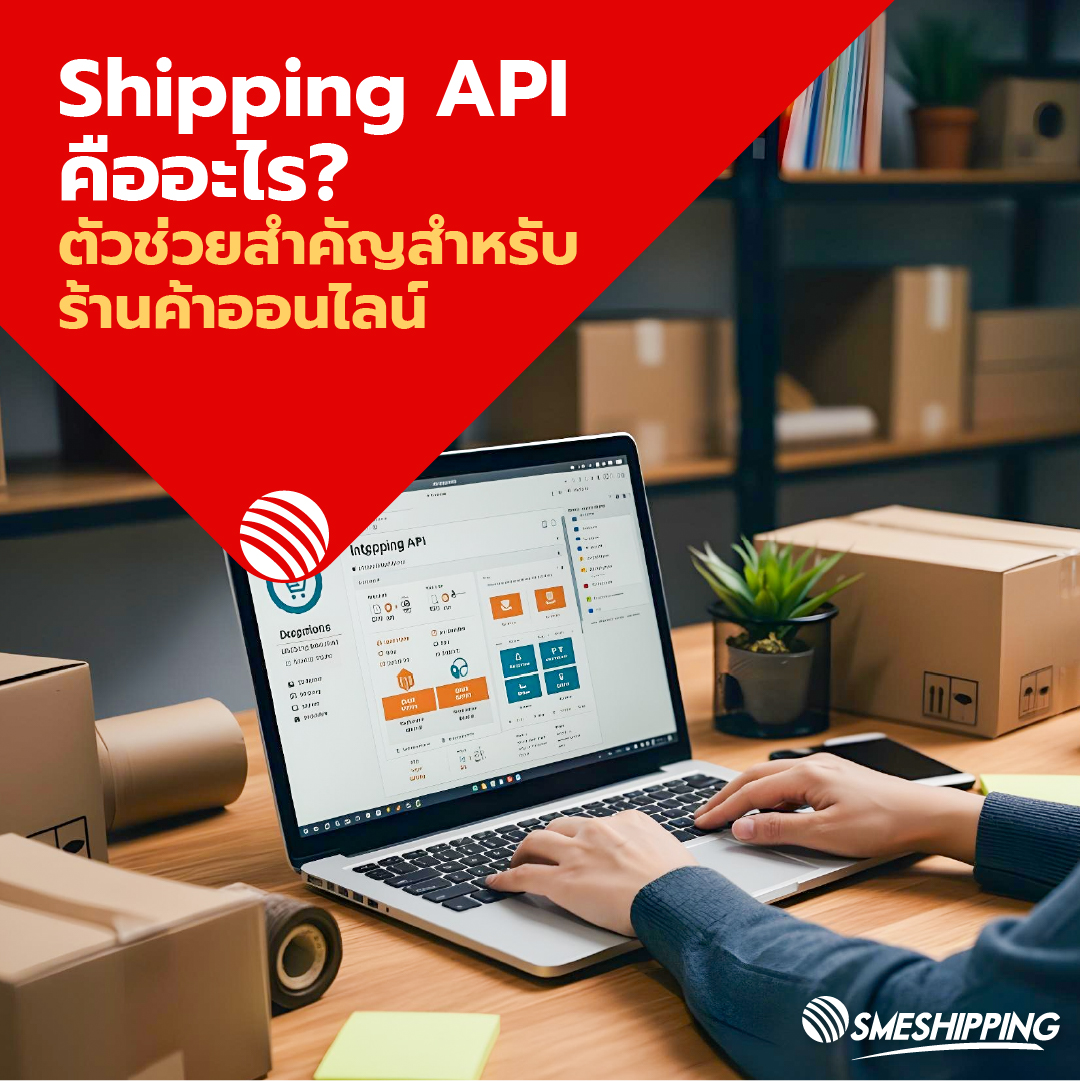
What is a Shipping API? A key tool for online stores.

In the era of rapidly growing online commerce, managing a modern and accurate shipping system has become a crucial factor for businesses to gain a competitive edge. One key tool in modern logistics is the Shipping API, which connects your store with external shipping providers, simplifying and automating the processes of shipping cost calculation, label creation, and parcel tracking. This article from SME Shipping will explore what a Shipping API is and why it's essential for online stores in this day and age.

What is an API?

A Shipping API is an application programming interface that allows websites or e-commerce platforms to connect directly with various shipping service providers such as Kerry Express, Flash Express, DHL, Thailand Post, etc., without having to manually enter data or switch between multiple systems. It is developed for the following uses:

  • Automatically calculate shipping rates.
  • Reserve and print shipping labels.
  • Track your package status in real-time.
  • Check the service area and delivery time.

Why should online stores use a Shipping API?

Using a Shipping API will help you expand your business more quickly and smoothly. The advantages of a Shipping API include:

  1. Reduce data entry errors by directly linking shipping information with the service provider.
  2. Automatic shipping cost calculation reduces guesswork and makes calculations more accurate.
  3. Real-time parcel tracking allows you and your customers to know the delivery status at all times.
  4. Save time and increase efficiency by eliminating the need to re-enter data multiple times and reducing manual work.
  5. Enhance the customer experience with fast and accurate delivery.

How does the Shipping API work?

When an order is placed, the store system sends the necessary information to the connected shipping provider's API to retrieve shipping rates and details. The API will respond with important information such as:

  • Calculate accurate shipping costs based on weight, package size, and destination.
  • Display shipping service options for customers to choose from, such as express delivery, standard delivery, or economy delivery.
  • Automate the creation of parcel numbers and shipping labels, reducing manual work and minimizing errors.

This entire process happens in real-time and is automated, resulting in faster, more convenient product delivery and greater customer satisfaction.

How to choose the right Shipping API for your store.

When choosing a shipping API for an online store, businesses should consider the following factors:

  1. Carrier coverage: Choose an API that supports connectivity with multiple carriers.
  2. Supporting your platform: Find APIs that can easily integrate with your store's system, such as Shopify, WooCommerce, or Magento.
  3. API documentation and support: Ensure the API documentation is clear and provides quick support for Q&A.
  4. Supported features: Choose an API that can handle features such as tracking multiple packages simultaneously and generating shipping reports.

 In short, a Shipping API acts as a bridge between your online store and shipping provider, allowing you to retrieve shipping information, calculate costs, create shipping labels, and track packages in real-time without having to re-enter data or switch between multiple systems. Whether you sell products on an e-commerce website, marketplace, or social media, connecting to a Shipping API will help you manage orders professionally, save time, reduce errors, and enhance the customer experience at every stage of the shipping process.


Shipping API: A tool for online stores | SME Shipping

What is a Shipping API? A key tool for online stores.

In the era of rapidly growing online commerce, managing a modern and accurate shipping system has become a crucial factor for businesses to gain a competitive edge. One key tool in modern logistics is the Shipping API, which connects your store with external shipping providers, simplifying and automating the processes of shipping cost calculation, label creation, and parcel tracking. This article from SME Shipping will explore what a Shipping API is and why it's essential for online stores in this day and age.

What is an API?

A Shipping API is an application programming interface that allows websites or e-commerce platforms to connect directly with various shipping service providers such as Kerry Express, Flash Express, DHL, Thailand Post, etc., without having to manually enter data or switch between multiple systems. It is developed for the following uses:

  • Automatically calculate shipping rates.
  • Reserve and print shipping labels.
  • Track your package status in real-time.
  • Check the service area and delivery time.

Why should online stores use a Shipping API?

Using a Shipping API will help you expand your business more quickly and smoothly. The advantages of a Shipping API include:

  1. Reduce data entry errors by directly linking shipping information with the service provider.
  2. Automatic shipping cost calculation reduces guesswork and makes calculations more accurate.
  3. Real-time parcel tracking allows you and your customers to know the delivery status at all times.
  4. Save time and increase efficiency by eliminating the need to re-enter data multiple times and reducing manual work.
  5. Enhance the customer experience with fast and accurate delivery.

How does the Shipping API work?

When an order is placed, the store system sends the necessary information to the connected shipping provider's API to retrieve shipping rates and details. The API will respond with important information such as:

  • Calculate accurate shipping costs based on weight, package size, and destination.
  • Display shipping service options for customers to choose from, such as express delivery, standard delivery, or economy delivery.
  • Automate the creation of parcel numbers and shipping labels, reducing manual work and minimizing errors.

This entire process happens in real-time and is automated, resulting in faster, more convenient product delivery and greater customer satisfaction.

How to choose the right Shipping API for your store.

When choosing a shipping API for an online store, businesses should consider the following factors:

  1. Carrier coverage: Choose an API that supports connectivity with multiple carriers.
  2. Supporting your platform: Find APIs that can easily integrate with your store's system, such as Shopify, WooCommerce, or Magento.
  3. API documentation and support: Ensure the API documentation is clear and provides quick support for Q&A.
  4. Supported features: Choose an API that can handle features such as tracking multiple packages simultaneously and generating shipping reports.

 In short, a Shipping API acts as a bridge between your online store and shipping provider, allowing you to retrieve shipping information, calculate costs, create shipping labels, and track packages in real-time without having to re-enter data or switch between multiple systems. Whether you sell products on an e-commerce website, marketplace, or social media, connecting to a Shipping API will help you manage orders professionally, save time, reduce errors, and enhance the customer experience at every stage of the shipping process.

What is a Shipping API? A key tool for online stores.

In the era of rapidly growing online commerce, managing a modern and accurate shipping system has become a crucial factor for businesses to gain a competitive edge. One key tool in modern logistics is the Shipping API, which connects your store with external shipping providers, simplifying and automating the processes of shipping cost calculation, label creation, and parcel tracking. This article from SME Shipping will explore what a Shipping API is and why it's essential for online stores in this day and age.

What is an API?

A Shipping API is an application programming interface that allows websites or e-commerce platforms to connect directly with various shipping service providers such as Kerry Express, Flash Express, DHL, Thailand Post, etc., without having to manually enter data or switch between multiple systems. It is developed for the following uses:

  • Automatically calculate shipping rates.
  • Reserve and print shipping labels.
  • Track your package status in real-time.
  • Check the service area and delivery time.

Why should online stores use a Shipping API?

Using a Shipping API will help you expand your business more quickly and smoothly. The advantages of a Shipping API include:

  1. Reduce data entry errors by directly linking shipping information with the service provider.
  2. Automatic shipping cost calculation reduces guesswork and makes calculations more accurate.
  3. Real-time parcel tracking allows you and your customers to know the delivery status at all times.
  4. Save time and increase efficiency by eliminating the need to re-enter data multiple times and reducing manual work.
  5. Enhance the customer experience with fast and accurate delivery.

How does the Shipping API work?

When an order is placed, the store system sends the necessary information to the connected shipping provider's API to retrieve shipping rates and details. The API will respond with important information such as:

  • Calculate accurate shipping costs based on weight, package size, and destination.
  • Display shipping service options for customers to choose from, such as express delivery, standard delivery, or economy delivery.
  • Automate the creation of parcel numbers and shipping labels, reducing manual work and minimizing errors.

This entire process happens in real-time and is automated, resulting in faster, more convenient product delivery and greater customer satisfaction.

How to choose the right Shipping API for your store.

When choosing a shipping API for an online store, businesses should consider the following factors:

  1. Carrier coverage: Choose an API that supports connectivity with multiple carriers.
  2. Supporting your platform: Find APIs that can easily integrate with your store's system, such as Shopify, WooCommerce, or Magento.
  3. API documentation and support: Ensure the API documentation is clear and provides quick support for Q&A.
  4. Supported features: Choose an API that can handle features such as tracking multiple packages simultaneously and generating shipping reports.

 In short, a Shipping API acts as a bridge between your online store and shipping provider, allowing you to retrieve shipping information, calculate costs, create shipping labels, and track packages in real-time without having to re-enter data or switch between multiple systems. Whether you sell products on an e-commerce website, marketplace, or social media, connecting to a Shipping API will help you manage orders professionally, save time, reduce errors, and enhance the customer experience at every stage of the shipping process.

What is a Shipping API? A key tool for online stores.

In the era of rapidly growing online commerce, managing a modern and accurate shipping system has become a crucial factor for businesses to gain a competitive edge. One key tool in modern logistics is the Shipping API, which connects your store with external shipping providers, simplifying and automating the processes of shipping cost calculation, label creation, and parcel tracking. This article from SME Shipping will explore what a Shipping API is and why it's essential for online stores in this day and age.

What is an API?

A Shipping API is an application programming interface that allows websites or e-commerce platforms to connect directly with various shipping service providers such as Kerry Express, Flash Express, DHL, Thailand Post, etc., without having to manually enter data or switch between multiple systems. It is developed for the following uses:

  • Automatically calculate shipping rates.
  • Reserve and print shipping labels.
  • Track your package status in real-time.
  • Check the service area and delivery time.

Why should online stores use a Shipping API?

Using a Shipping API will help you expand your business more quickly and smoothly. The advantages of a Shipping API include:

  1. Reduce data entry errors by directly linking shipping information with the service provider.
  2. Automatic shipping cost calculation reduces guesswork and makes calculations more accurate.
  3. Real-time parcel tracking allows you and your customers to know the delivery status at all times.
  4. Save time and increase efficiency by eliminating the need to re-enter data multiple times and reducing manual work.
  5. Enhance the customer experience with fast and accurate delivery.

How does the Shipping API work?

When an order is placed, the store system sends the necessary information to the connected shipping provider's API to retrieve shipping rates and details. The API will respond with important information such as:

  • Calculate accurate shipping costs based on weight, package size, and destination.
  • Display shipping service options for customers to choose from, such as express delivery, standard delivery, or economy delivery.
  • Automate the creation of parcel numbers and shipping labels, reducing manual work and minimizing errors.

This entire process happens in real-time and is automated, resulting in faster, more convenient product delivery and greater customer satisfaction.

How to choose the right Shipping API for your store.

When choosing a shipping API for an online store, businesses should consider the following factors:

  1. Carrier coverage: Choose an API that supports connectivity with multiple carriers.
  2. Supporting your platform: Find APIs that can easily integrate with your store's system, such as Shopify, WooCommerce, or Magento.
  3. API documentation and support: Ensure the API documentation is clear and provides quick support for Q&A.
  4. Supported features: Choose an API that can handle features such as tracking multiple packages simultaneously and generating shipping reports.

 In short, a Shipping API acts as a bridge between your online store and shipping provider, allowing you to retrieve shipping information, calculate costs, create shipping labels, and track packages in real-time without having to re-enter data or switch between multiple systems. Whether you sell products on an e-commerce website, marketplace, or social media, connecting to a Shipping API will help you manage orders professionally, save time, reduce errors, and enhance the customer experience at every stage of the shipping process.

What is a Shipping API? A key tool for online stores.

In the era of rapidly growing online commerce, managing a modern and accurate shipping system has become a crucial factor for businesses to gain a competitive edge. One key tool in modern logistics is the Shipping API, which connects your store with external shipping providers, simplifying and automating the processes of shipping cost calculation, label creation, and parcel tracking. This article from SME Shipping will explore what a Shipping API is and why it's essential for online stores in this day and age.

What is an API?

A Shipping API is an application programming interface that allows websites or e-commerce platforms to connect directly with various shipping service providers such as Kerry Express, Flash Express, DHL, Thailand Post, etc., without having to manually enter data or switch between multiple systems. It is developed for the following uses:

  • Automatically calculate shipping rates.
  • Reserve and print shipping labels.
  • Track your package status in real-time.
  • Check the service area and delivery time.

Why should online stores use a Shipping API?

Using a Shipping API will help you expand your business more quickly and smoothly. The advantages of a Shipping API include:

  1. Reduce data entry errors by directly linking shipping information with the service provider.
  2. Automatic shipping cost calculation reduces guesswork and makes calculations more accurate.
  3. Real-time parcel tracking allows you and your customers to know the delivery status at all times.
  4. Save time and increase efficiency by eliminating the need to re-enter data multiple times and reducing manual work.
  5. Enhance the customer experience with fast and accurate delivery.

How does the Shipping API work?

When an order is placed, the store system sends the necessary information to the connected shipping provider's API to retrieve shipping rates and details. The API will respond with important information such as:

  • Calculate accurate shipping costs based on weight, package size, and destination.
  • Display shipping service options for customers to choose from, such as express delivery, standard delivery, or economy delivery.
  • Automate the creation of parcel numbers and shipping labels, reducing manual work and minimizing errors.

This entire process happens in real-time and is automated, resulting in faster, more convenient product delivery and greater customer satisfaction.

How to choose the right Shipping API for your store.

When choosing a shipping API for an online store, businesses should consider the following factors:

  1. Carrier coverage: Choose an API that supports connectivity with multiple carriers.
  2. Supporting your platform: Find APIs that can easily integrate with your store's system, such as Shopify, WooCommerce, or Magento.
  3. API documentation and support: Ensure the API documentation is clear and provides quick support for Q&A.
  4. Supported features: Choose an API that can handle features such as tracking multiple packages simultaneously and generating shipping reports.

 In short, a Shipping API acts as a bridge between your online store and shipping provider, allowing you to retrieve shipping information, calculate costs, create shipping labels, and track packages in real-time without having to re-enter data or switch between multiple systems. Whether you sell products on an e-commerce website, marketplace, or social media, connecting to a Shipping API will help you manage orders professionally, save time, reduce errors, and enhance the customer experience at every stage of the shipping process.

What is a Shipping API? A key tool for online stores.

In the era of rapidly growing online commerce, managing a modern and accurate shipping system has become a crucial factor for businesses to gain a competitive edge. One key tool in modern logistics is the Shipping API, which connects your store with external shipping providers, simplifying and automating the processes of shipping cost calculation, label creation, and parcel tracking. This article from SME Shipping will explore what a Shipping API is and why it's essential for online stores in this day and age.

What is an API?

A Shipping API is an application programming interface that allows websites or e-commerce platforms to connect directly with various shipping service providers such as Kerry Express, Flash Express, DHL, Thailand Post, etc., without having to manually enter data or switch between multiple systems. It is developed for the following uses:

  • Automatically calculate shipping rates.
  • Reserve and print shipping labels.
  • Track your package status in real-time.
  • Check the service area and delivery time.

Why should online stores use a Shipping API?

Using a Shipping API will help you expand your business more quickly and smoothly. The advantages of a Shipping API include:

  1. Reduce data entry errors by directly linking shipping information with the service provider.
  2. Automatic shipping cost calculation reduces guesswork and makes calculations more accurate.
  3. Real-time parcel tracking allows you and your customers to know the delivery status at all times.
  4. Save time and increase efficiency by eliminating the need to re-enter data multiple times and reducing manual work.
  5. Enhance the customer experience with fast and accurate delivery.

How does the Shipping API work?

When an order is placed, the store system sends the necessary information to the connected shipping provider's API to retrieve shipping rates and details. The API will respond with important information such as:

  • Calculate accurate shipping costs based on weight, package size, and destination.
  • Display shipping service options for customers to choose from, such as express delivery, standard delivery, or economy delivery.
  • Automate the creation of parcel numbers and shipping labels, reducing manual work and minimizing errors.

This entire process happens in real-time and is automated, resulting in faster, more convenient product delivery and greater customer satisfaction.

How to choose the right Shipping API for your store.

When choosing a shipping API for an online store, businesses should consider the following factors:

  1. Carrier coverage: Choose an API that supports connectivity with multiple carriers.
  2. Supporting your platform: Find APIs that can easily integrate with your store's system, such as Shopify, WooCommerce, or Magento.
  3. API documentation and support: Ensure the API documentation is clear and provides quick support for Q&A.
  4. Supported features: Choose an API that can handle features such as tracking multiple packages simultaneously and generating shipping reports.

 In short, a Shipping API acts as a bridge between your online store and shipping provider, allowing you to retrieve shipping information, calculate costs, create shipping labels, and track packages in real-time without having to re-enter data or switch between multiple systems. Whether you sell products on an e-commerce website, marketplace, or social media, connecting to a Shipping API will help you manage orders professionally, save time, reduce errors, and enhance the customer experience at every stage of the shipping process.

en_USEnglish