
BLOG

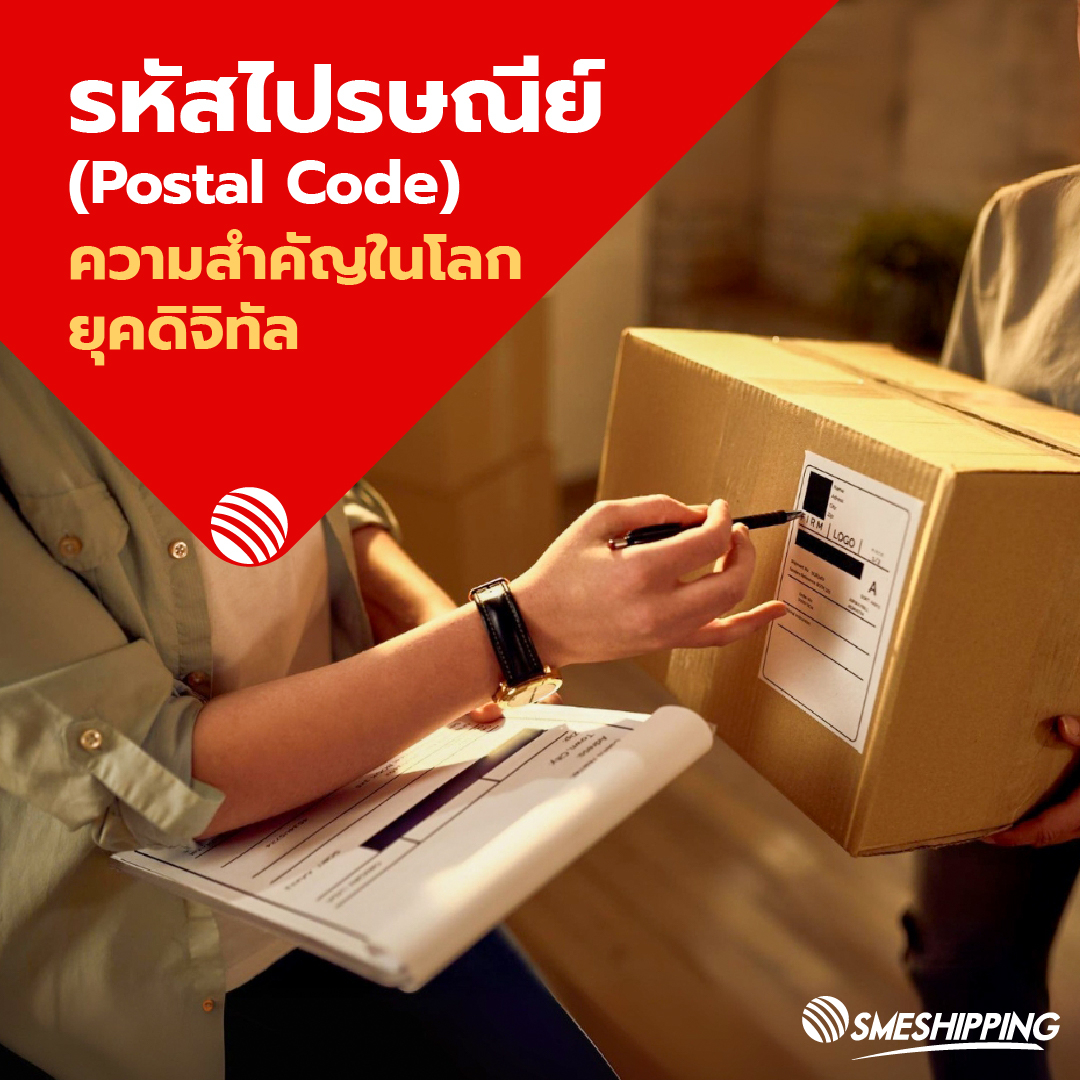
Postal codes: Their importance in the digital age.

In an era of exponential growth in online shipping and e-commerce, postal codes have become… A crucial tool for accurate, fast, and efficient sorting and delivery. Whether domestically or internationally, this article will provide an in-depth look from the past to the present at "what postal codes are, their origins, how they are used in different countries, and how we can benefit from them in this modern era."“

History of postal codes 

  • The postal code system originated from dividing large areas, such as London in 1857 into 10 zones: EC, WC, N, NE, E, SE, S, SW, W, NW, which helped to speed up delivery within the city.
  • The modern postal code system was first officially used in Ukraine in 1932 but was discontinued in 1939.
  • Germany was the first country to seriously implement it in 1941.
  • The United States followed suit in the mid-war era of the 1960s with the ZIP Code (1963).
  • The United Kingdom used an alphanumeric system, which began testing in 1959 and was adopted nationwide in 1974.

The structure of postal codes in each country.  

• Thailand

  • Use a 5-digit code (NNNNN), where the first two digits indicate the province or special area, and the remaining three digits represent the post office in that area.
  • These code systems officially came into use on [date]. February 25, 1982
  • Codes are divided into "zones" according to region, such as 10xxx for the central zone, 20xxx for the eastern zone, 80xxx for the southern zone, etc.

• Germany

  • A two-digit system was used in 1941, then adjusted to a four-digit system in 1962 (Western calendar), followed by another system for the East.
  • Currently, five digits have been used since 1993 to support national reunification and the expansion of service areas, etc.

• Japan

  • The code consists of 7 digits in the format NNN-NNNN.
  • The first two digits indicate the prefecture; for example, "40" is Yamanashi Prefecture.
  • Use the symbol “〒” (U-bin mark) before the code to indicate that it is a postal code.

• United Kingdom

  • Use a combination of alphanumeric characters, such as SW1A 1AA.
  • The structure is divided into Outward code (area and region) and Inward code (sectors and transmission points).
  • This system allows you to target specific street levels or house numbers — some codes specify around 10–15 addresses, or even single-family homes.

The benefits of using zip codes. 

  • Increase the speed of sorting and delivery. Because machines and automated systems read codes quickly and accurately.
  • Reduce errors. Due to spelling errors or ambiguous boundaries.
  • Supports high-tech systems. Examples include navigation systems (GPS), statistical references, risk assessment, and marketing.
  • Efficiency in business and services. For example, using UK codes to define units in resource allocation systems (Postcode Address File).

The latest innovations in Thailand's postal system. 

Thailand is developing a system. Digital Post ID Which has been using QR codes instead of the original 5-digit code since [year]. 2022 To ensure accurate address identification, including in high-rise buildings or condominiums where standard postal codes cannot cover.
This QR code is for one-time use only to prevent data forgery and enhance the recipient's privacy.

In short, zip codes… they sound like ordinary numbers, but they are actually the heart of global communication and transportation.

Every country designs its own code to reflect its region, culture, and history, but ultimately… these codes serve the same purpose: connecting the world in just a few days. ✈️

And today, the system is evolving towards a more accurate Digital Post ID than ever before. This is the next step in the world of logistics, where even something as small as a "postal code" is a crucial element that speeds up the process.

Source of content

https://en.wikipedia.org/wiki/Postal_code
https://www.britannica.com/topic/postal-code
https://postalmuseum.si.edu/research-articles/flashing-across-the-country/a-zoning-system-in-development
https://en.wikipedia.org/wiki/Postcodes_in_the_United_Kingdom
https://en.wikipedia.org/wiki/List_of_postal_codes
https://www.nationthailand.com/thailand/policies/40022652d

Postal codes: Their importance in the digital age.

In an era of exponential growth in online shipping and e-commerce, postal codes have become… A crucial tool for accurate, fast, and efficient sorting and delivery. Whether domestically or internationally, this article will provide an in-depth look from the past to the present at "what postal codes are, their origins, how they are used in different countries, and how we can benefit from them in this modern era."“

History of postal codes 

  • The postal code system originated from dividing large areas, such as London in 1857 into 10 zones: EC, WC, N, NE, E, SE, S, SW, W, NW, which helped to speed up delivery within the city.
  • The modern postal code system was first officially used in Ukraine in 1932 but was discontinued in 1939.
  • Germany was the first country to seriously implement it in 1941.
  • The United States followed suit in the mid-war era of the 1960s with the ZIP Code (1963).
  • The United Kingdom used an alphanumeric system, which began testing in 1959 and was adopted nationwide in 1974.

The structure of postal codes in each country.  

• Thailand

  • Use a 5-digit code (NNNNN), where the first two digits indicate the province or special area, and the remaining three digits represent the post office in that area.
  • These code systems officially came into use on [date]. February 25, 1982
  • Codes are divided into "zones" according to region, such as 10xxx for the central zone, 20xxx for the eastern zone, 80xxx for the southern zone, etc.

• Germany

  • A two-digit system was used in 1941, then adjusted to a four-digit system in 1962 (Western calendar), followed by another system for the East.
  • Currently, five digits have been used since 1993 to support national reunification and the expansion of service areas, etc.

• Japan

  • The code consists of 7 digits in the format NNN-NNNN.
  • The first two digits indicate the prefecture; for example, "40" is Yamanashi Prefecture.
  • Use the symbol “〒” (U-bin mark) before the code to indicate that it is a postal code.

• United Kingdom

  • Use a combination of alphanumeric characters, such as SW1A 1AA.
  • The structure is divided into Outward code (area and region) and Inward code (sectors and transmission points).
  • This system allows you to target specific street levels or house numbers — some codes specify around 10–15 addresses, or even single-family homes.

The benefits of using zip codes. 

  • Increase the speed of sorting and delivery. Because machines and automated systems read codes quickly and accurately.
  • Reduce errors. Due to spelling errors or ambiguous boundaries.
  • Supports high-tech systems. Examples include navigation systems (GPS), statistical references, risk assessment, and marketing.
  • Efficiency in business and services. For example, using UK codes to define units in resource allocation systems (Postcode Address File).

The latest innovations in Thailand's postal system. 

Thailand is developing a system. Digital Post ID Which has been using QR codes instead of the original 5-digit code since [year]. 2022 To ensure accurate address identification, including in high-rise buildings or condominiums where standard postal codes cannot cover.
This QR code is for one-time use only to prevent data forgery and enhance the recipient's privacy.

In short, zip codes… they sound like ordinary numbers, but they are actually the heart of global communication and transportation.

Every country designs its own code to reflect its region, culture, and history, but ultimately… these codes serve the same purpose: connecting the world in just a few days. ✈️

And today, the system is evolving towards a more accurate Digital Post ID than ever before. This is the next step in the world of logistics, where even something as small as a "postal code" is a crucial element that speeds up the process.

Source of content

https://en.wikipedia.org/wiki/Postal_code
https://www.britannica.com/topic/postal-code
https://postalmuseum.si.edu/research-articles/flashing-across-the-country/a-zoning-system-in-development
https://en.wikipedia.org/wiki/Postcodes_in_the_United_Kingdom
https://en.wikipedia.org/wiki/List_of_postal_codes
https://www.nationthailand.com/thailand/policies/40022652d

In an era of exponential growth in online shipping and e-commerce, postal codes have become… A crucial tool for accurate, fast, and efficient sorting and delivery. Whether domestically or internationally, this article will provide an in-depth look from the past to the present at "what postal codes are, their origins, how they are used in different countries, and how we can benefit from them in this modern era."“

History of postal codes 

  • The postal code system originated from dividing large areas, such as London in 1857 into 10 zones: EC, WC, N, NE, E, SE, S, SW, W, NW, which helped to speed up delivery within the city.
  • The modern postal code system was first officially used in Ukraine in 1932 but was discontinued in 1939.
  • Germany was the first country to seriously implement it in 1941.
  • The United States followed suit in the mid-war era of the 1960s with the ZIP Code (1963).
  • The United Kingdom used an alphanumeric system, which began testing in 1959 and was adopted nationwide in 1974.

The structure of postal codes in each country.  

• Thailand

  • Use a 5-digit code (NNNNN), where the first two digits indicate the province or special area, and the remaining three digits represent the post office in that area.
  • These code systems officially came into use on [date]. February 25, 1982
  • Codes are divided into "zones" according to region, such as 10xxx for the central zone, 20xxx for the eastern zone, 80xxx for the southern zone, etc.

• Germany

  • A two-digit system was used in 1941, then adjusted to a four-digit system in 1962 (Western calendar), followed by another system for the East.
  • Currently, five digits have been used since 1993 to support national reunification and the expansion of service areas, etc.

• Japan

  • The code consists of 7 digits in the format NNN-NNNN.
  • The first two digits indicate the prefecture; for example, "40" is Yamanashi Prefecture.
  • Use the symbol “〒” (U-bin mark) before the code to indicate that it is a postal code.

• United Kingdom

  • Use a combination of alphanumeric characters, such as SW1A 1AA.
  • The structure is divided into Outward code (area and region) and Inward code (sectors and transmission points).
  • This system allows you to target specific street levels or house numbers — some codes specify around 10–15 addresses, or even single-family homes.

The benefits of using zip codes. 

  • Increase the speed of sorting and delivery. Because machines and automated systems read codes quickly and accurately.
  • Reduce errors. Due to spelling errors or ambiguous boundaries.
  • Supports high-tech systems. Examples include navigation systems (GPS), statistical references, risk assessment, and marketing.
  • Efficiency in business and services. For example, using UK codes to define units in resource allocation systems (Postcode Address File).

The latest innovations in Thailand's postal system. 

Thailand is developing a system. Digital Post ID Which has been using QR codes instead of the original 5-digit code since [year]. 2022 To ensure accurate address identification, including in high-rise buildings or condominiums where standard postal codes cannot cover.
This QR code is for one-time use only to prevent data forgery and enhance the recipient's privacy.

In short, zip codes… they sound like ordinary numbers, but they are actually the heart of global communication and transportation.

Every country designs its own code to reflect its region, culture, and history, but ultimately… these codes serve the same purpose: connecting the world in just a few days. ✈️

And today, the system is evolving towards a more accurate Digital Post ID than ever before. This is the next step in the world of logistics, where even something as small as a "postal code" is a crucial element that speeds up the process.

Source of content

https://en.wikipedia.org/wiki/Postal_code
https://www.britannica.com/topic/postal-code
https://postalmuseum.si.edu/research-articles/flashing-across-the-country/a-zoning-system-in-development
https://en.wikipedia.org/wiki/Postcodes_in_the_United_Kingdom
https://en.wikipedia.org/wiki/List_of_postal_codes
https://www.nationthailand.com/thailand/policies/40022652d

In an era of exponential growth in online shipping and e-commerce, postal codes have become… A crucial tool for accurate, fast, and efficient sorting and delivery. Whether domestically or internationally, this article will provide an in-depth look from the past to the present at "what postal codes are, their origins, how they are used in different countries, and how we can benefit from them in this modern era."“

History of postal codes 

  • The postal code system originated from dividing large areas, such as London in 1857 into 10 zones: EC, WC, N, NE, E, SE, S, SW, W, NW, which helped to speed up delivery within the city.
  • The modern postal code system was first officially used in Ukraine in 1932 but was discontinued in 1939.
  • Germany was the first country to seriously implement it in 1941.
  • The United States followed suit in the mid-war era of the 1960s with the ZIP Code (1963).
  • The United Kingdom used an alphanumeric system, which began testing in 1959 and was adopted nationwide in 1974.

The structure of postal codes in each country.  

• Thailand

  • Use a 5-digit code (NNNNN), where the first two digits indicate the province or special area, and the remaining three digits represent the post office in that area.
  • These code systems officially came into use on [date]. February 25, 1982
  • Codes are divided into "zones" according to region, such as 10xxx for the central zone, 20xxx for the eastern zone, 80xxx for the southern zone, etc.

• Germany

  • A two-digit system was used in 1941, then adjusted to a four-digit system in 1962 (Western calendar), followed by another system for the East.
  • Currently, five digits have been used since 1993 to support national reunification and the expansion of service areas, etc.

• Japan

  • The code consists of 7 digits in the format NNN-NNNN.
  • The first two digits indicate the prefecture; for example, "40" is Yamanashi Prefecture.
  • Use the symbol “〒” (U-bin mark) before the code to indicate that it is a postal code.

• United Kingdom

  • Use a combination of alphanumeric characters, such as SW1A 1AA.
  • The structure is divided into Outward code (area and region) and Inward code (sectors and transmission points).
  • This system allows you to target specific street levels or house numbers — some codes specify around 10–15 addresses, or even single-family homes.

The benefits of using zip codes. 

  • Increase the speed of sorting and delivery. Because machines and automated systems read codes quickly and accurately.
  • Reduce errors. Due to spelling errors or ambiguous boundaries.
  • Supports high-tech systems. Examples include navigation systems (GPS), statistical references, risk assessment, and marketing.
  • Efficiency in business and services. For example, using UK codes to define units in resource allocation systems (Postcode Address File).

The latest innovations in Thailand's postal system. 

Thailand is developing a system. Digital Post ID Which has been using QR codes instead of the original 5-digit code since [year]. 2022 To ensure accurate address identification, including in high-rise buildings or condominiums where standard postal codes cannot cover.
This QR code is for one-time use only to prevent data forgery and enhance the recipient's privacy.

In short, zip codes… they sound like ordinary numbers, but they are actually the heart of global communication and transportation.

Every country designs its own code to reflect its region, culture, and history, but ultimately… these codes serve the same purpose: connecting the world in just a few days. ✈️

And today, the system is evolving towards a more accurate Digital Post ID than ever before. This is the next step in the world of logistics, where even something as small as a "postal code" is a crucial element that speeds up the process.

Source of content

https://en.wikipedia.org/wiki/Postal_code
https://www.britannica.com/topic/postal-code
https://postalmuseum.si.edu/research-articles/flashing-across-the-country/a-zoning-system-in-development
https://en.wikipedia.org/wiki/Postcodes_in_the_United_Kingdom
https://en.wikipedia.org/wiki/List_of_postal_codes
https://www.nationthailand.com/thailand/policies/40022652d

In an era of exponential growth in online shipping and e-commerce, postal codes have become… A crucial tool for accurate, fast, and efficient sorting and delivery. Whether domestically or internationally, this article will provide an in-depth look from the past to the present at "what postal codes are, their origins, how they are used in different countries, and how we can benefit from them in this modern era."“

History of postal codes 

  • The postal code system originated from dividing large areas, such as London in 1857 into 10 zones: EC, WC, N, NE, E, SE, S, SW, W, NW, which helped to speed up delivery within the city.
  • The modern postal code system was first officially used in Ukraine in 1932 but was discontinued in 1939.
  • Germany was the first country to seriously implement it in 1941.
  • The United States followed suit in the mid-war era of the 1960s with the ZIP Code (1963).
  • The United Kingdom used an alphanumeric system, which began testing in 1959 and was adopted nationwide in 1974.

The structure of postal codes in each country.  

• Thailand

  • Use a 5-digit code (NNNNN), where the first two digits indicate the province or special area, and the remaining three digits represent the post office in that area.
  • These code systems officially came into use on [date]. February 25, 1982
  • Codes are divided into "zones" according to region, such as 10xxx for the central zone, 20xxx for the eastern zone, 80xxx for the southern zone, etc.

• Germany

  • A two-digit system was used in 1941, then adjusted to a four-digit system in 1962 (Western calendar), followed by another system for the East.
  • Currently, five digits have been used since 1993 to support national reunification and the expansion of service areas, etc.

• Japan

  • The code consists of 7 digits in the format NNN-NNNN.
  • The first two digits indicate the prefecture; for example, "40" is Yamanashi Prefecture.
  • Use the symbol “〒” (U-bin mark) before the code to indicate that it is a postal code.

• United Kingdom

  • Use a combination of alphanumeric characters, such as SW1A 1AA.
  • The structure is divided into Outward code (area and region) and Inward code (sectors and transmission points).
  • This system allows you to target specific street levels or house numbers — some codes specify around 10–15 addresses, or even single-family homes.

The benefits of using zip codes. 

  • Increase the speed of sorting and delivery. Because machines and automated systems read codes quickly and accurately.
  • Reduce errors. Due to spelling errors or ambiguous boundaries.
  • Supports high-tech systems. Examples include navigation systems (GPS), statistical references, risk assessment, and marketing.
  • Efficiency in business and services. For example, using UK codes to define units in resource allocation systems (Postcode Address File).

The latest innovations in Thailand's postal system. 

Thailand is developing a system. Digital Post ID Which has been using QR codes instead of the original 5-digit code since [year]. 2022 To ensure accurate address identification, including in high-rise buildings or condominiums where standard postal codes cannot cover.
This QR code is for one-time use only to prevent data forgery and enhance the recipient's privacy.

In short, zip codes… they sound like ordinary numbers, but they are actually the heart of global communication and transportation.

Every country designs its own code to reflect its region, culture, and history, but ultimately… these codes serve the same purpose: connecting the world in just a few days. ✈️

And today, the system is evolving towards a more accurate Digital Post ID than ever before. This is the next step in the world of logistics, where even something as small as a "postal code" is a crucial element that speeds up the process.

Source of content

https://en.wikipedia.org/wiki/Postal_code
https://www.britannica.com/topic/postal-code
https://postalmuseum.si.edu/research-articles/flashing-across-the-country/a-zoning-system-in-development
https://en.wikipedia.org/wiki/Postcodes_in_the_United_Kingdom
https://en.wikipedia.org/wiki/List_of_postal_codes
https://www.nationthailand.com/thailand/policies/40022652d

In an era of exponential growth in online shipping and e-commerce, postal codes have become… A crucial tool for accurate, fast, and efficient sorting and delivery. Whether domestically or internationally, this article will provide an in-depth look from the past to the present at "what postal codes are, their origins, how they are used in different countries, and how we can benefit from them in this modern era."“

History of postal codes 

  • The postal code system originated from dividing large areas, such as London in 1857 into 10 zones: EC, WC, N, NE, E, SE, S, SW, W, NW, which helped to speed up delivery within the city.
  • The modern postal code system was first officially used in Ukraine in 1932 but was discontinued in 1939.
  • Germany was the first country to seriously implement it in 1941.
  • The United States followed suit in the mid-war era of the 1960s with the ZIP Code (1963).
  • The United Kingdom used an alphanumeric system, which began testing in 1959 and was adopted nationwide in 1974.

The structure of postal codes in each country.  

• Thailand

  • Use a 5-digit code (NNNNN), where the first two digits indicate the province or special area, and the remaining three digits represent the post office in that area.
  • These code systems officially came into use on [date]. February 25, 1982
  • Codes are divided into "zones" according to region, such as 10xxx for the central zone, 20xxx for the eastern zone, 80xxx for the southern zone, etc.

• Germany

  • A two-digit system was used in 1941, then adjusted to a four-digit system in 1962 (Western calendar), followed by another system for the East.
  • Currently, five digits have been used since 1993 to support national reunification and the expansion of service areas, etc.

• Japan

  • The code consists of 7 digits in the format NNN-NNNN.
  • The first two digits indicate the prefecture; for example, "40" is Yamanashi Prefecture.
  • Use the symbol “〒” (U-bin mark) before the code to indicate that it is a postal code.

• United Kingdom

  • Use a combination of alphanumeric characters, such as SW1A 1AA.
  • The structure is divided into Outward code (area and region) and Inward code (sectors and transmission points).
  • This system allows you to target specific street levels or house numbers — some codes specify around 10–15 addresses, or even single-family homes.

The benefits of using zip codes. 

  • Increase the speed of sorting and delivery. Because machines and automated systems read codes quickly and accurately.
  • Reduce errors. Due to spelling errors or ambiguous boundaries.
  • Supports high-tech systems. Examples include navigation systems (GPS), statistical references, risk assessment, and marketing.
  • Efficiency in business and services. For example, using UK codes to define units in resource allocation systems (Postcode Address File).

The latest innovations in Thailand's postal system. 

Thailand is developing a system. Digital Post ID Which has been using QR codes instead of the original 5-digit code since [year]. 2022 To ensure accurate address identification, including in high-rise buildings or condominiums where standard postal codes cannot cover.
This QR code is for one-time use only to prevent data forgery and enhance the recipient's privacy.

In short, zip codes… they sound like ordinary numbers, but they are actually the heart of global communication and transportation.

Every country designs its own code to reflect its region, culture, and history, but ultimately… these codes serve the same purpose: connecting the world in just a few days. ✈️

And today, the system is evolving towards a more accurate Digital Post ID than ever before. This is the next step in the world of logistics, where even something as small as a "postal code" is a crucial element that speeds up the process.

Source of content

https://en.wikipedia.org/wiki/Postal_code
https://www.britannica.com/topic/postal-code
https://postalmuseum.si.edu/research-articles/flashing-across-the-country/a-zoning-system-in-development
https://en.wikipedia.org/wiki/Postcodes_in_the_United_Kingdom
https://en.wikipedia.org/wiki/List_of_postal_codes
https://www.nationthailand.com/thailand/policies/40022652d
en_USEnglish