


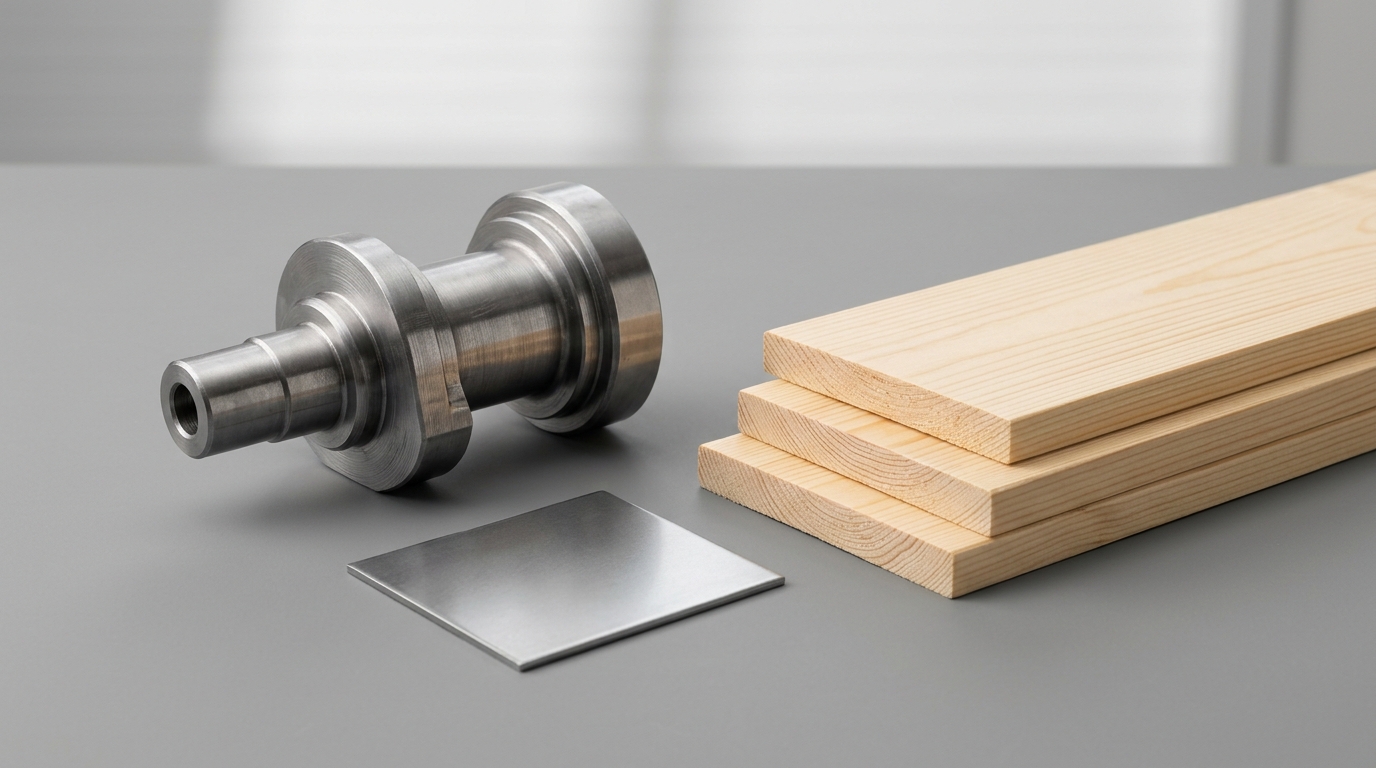
If you ship automotive parts, electrical appliances, or processed metal products to Europe, this is what's about to change: CBAM Metal Products EU The scope is expanding far beyond what many anticipated. It's no longer just raw steel or aluminum ingots, but includes products that use these metals as components. This means that your products, previously untouched by this regulation, may require a whole new set of information before European importers even ask for it.
CBAM, or Carbon Border Adjustment Mechanism, is a mechanism used by the EU to collect carbon fees on imported goods produced in countries that do not yet have a carbon price equivalent to that of the EU. Initially, it only covered basic materials such as steel, aluminum, cement, and electricity. However, the European Parliament's Environment Committee has now approved a proposal to expand it to cover an additional 180 downstream products that use high quantities of steel and aluminum.
These newly classified products include machinery, hardware and metal products, automotive parts, household appliances, and construction equipment. If you find this list similar to your exports, it's no coincidence, as these are products that Thailand exports in large quantities to the EU, and previously, there was no need to prepare carbon data.
What does CBAM (Commercial Operational Asset Management) in the EU encompass, and why will it affect Thai SMEs?
What sets this expansion apart from a general rule update is that it doesn't just add to the list of products, it changes the way the EU views the entire production chain. If your product contains steel or aluminum, whether it's the body, sheet metal, or sub-components, the EU wants to know where that metal comes from and how much carbon is released in the manufacturing process.
For Thai SMEs that purchase metal raw materials from China or other countries and then process or assemble them into finished products before exporting, this is the point they need to be most careful about. Stricter anti-circumvention regulations mean the EU will inspect whether goods have been “slightly modified” to circumvent CBAM (Common Trade Agreement Amendments). If detected, the standards of the country of origin may be used instead, which could result in higher fees than expected.
Another point that many may not know is that this new rule also covers online sales. Instead of considering each package individually, it now considers the total weight of each seller's shipment. This means that if you sell metal products to Europe through an e-commerce platform, it may also apply.
The upcoming UK CBAM in 2027 and its connection to the EU.
Besides the EU, the United Kingdom has its own UK CBAM plan, scheduled to come into effect on January 1, 2027. Currently, UK CBAM covers five product groups: aluminum, cement, fertilizers, hydrogen, and steel, which, like the EU, does not yet include downstream products.
However, the key point to watch is that if the EU expands its scope to include downstream products, the UK is likely to adjust its measures accordingly in the future, as both sides have similar environmental policies. Therefore, if you export goods to both the EU and the UK, having the same set of data ready beforehand will help reduce the burden in the long run more than waiting to see what the rules will be.
The European Parliament is scheduled to approve the negotiating position with member states at its September 2026 plenary session. Following this, trilateral negotiations will begin before the rules come into effect. There is still ample time, but waiting until the rules are officially announced before preparing may leave insufficient time to gather information from suppliers throughout the supply chain.
Documents and information you need to prepare before CBAM takes effect.
What sets CBAM apart from conventional customs regulations is that it requires deeper information than just invoices or certificates of origin. It demands process-level information, meaning you need to work with upstream suppliers, not just prepare downstream documentation.
The information required by the EU for the CBAM system includes embedded carbon emissions per unit of product, calculated using EU-defined methods, the source of the metal raw materials used in production, and evidence that the product has not been modified to circumvent regulations. All of this information must come from suppliers who can provide accurate data, not just documents signed for approval.
CBAM EU Metal Products: Checklist of things to check before shipment.
- Product HS Code — Check that your current HS Code matches the list of goods designated by the EU within the CBAM scope, as incorrect classification may lead to retrospective investigations.
- Bill of Materials (BOM) — Clearly state the amount of steel or aluminum your product contains, and the suppliers of those metals.
- Evidence of raw material origin — Request documentation from metal suppliers indicating where the raw materials are produced and whether they have factory-level carbon data.
- Product-level carbon emission data. — If your supplier doesn't already have this information, you should start inquiring and planning together how to collect it.
- Supplier Declaration — Prepare forms that suppliers must sign to certify carbon and origin information, to be used as evidence in the CBAM process.
- Record the production process. — Keep records of the processes the product undergoes in Thailand to demonstrate that it is not merely a "minor modification" to circumvent regulations.
- Sales channels — If selling through e-commerce to Europe, check whether the total annual volume meets the reporting criteria.
- Follow the product lists announced by the EU. — 180 items are still being processed. Please check to see if your item is the last on the list.
The impact on costs and product prices should be calculated in advance.
One thing many people overlook is that CBAM isn't just about paperwork; it impacts the actual cost of a product. CBAM fees are calculated based on the amount of carbon emitted during the production process, multiplied by the carbon price in the EU ETS (Emissions Trading System). Recently, the carbon price in the EU has been around €50-70 per ton of CO₂, and it tends to fluctuate according to the market.
If your products use metals produced through high-carbon processes, such as steel made from coal-fired blast furnaces, the fees that EU importers have to pay may be high enough to make them want to renegotiate prices with you or turn to suppliers with lower carbon footprints. Knowing these figures in advance will help you plan pricing and negotiate with buyers more effectively.
In practice, if your metal supplier cannot provide carbon data, the EU will use default values set for the country of origin, which are generally higher than the actual values for energy-efficient plants. Therefore, having accurate data from your supplier may help reduce the fees that importers have to pay.
Communication with EU buyers should start now.
If you already have a regular buyer in Europe, there's a high chance they're also preparing to deal with CBAM, and they might ask you about carbon data soon. Being able to answer before they ask will build more confidence than waiting to be asked and then responding with "I don't have the data yet."“
Key aspects to communicate to buyers at this stage include the status of your product's carbon data (whether it's being collected or already available), the sources of metals used in production, and your plans to comply with CBAM requirements once the regulations come into effect. Proactive communication demonstrates to buyers that you are a supplier prepared to handle regulatory changes, a factor that European buyers are increasingly prioritizing.
Conversely, if a buyer asks for information and you don't yet have it, they may need to find a more readily available alternative supplier. This isn't because your product is inferior, but because they want assurance that their supply chain will pass CBAM audits.
The time required to gather information and documents.
One thing SMEs often underestimate is the time required to collect data from suppliers, especially if your suppliers are overseas or have no prior experience in carbon reporting. Obtaining carbon data from metal suppliers can take 1-3 months or more, if the supplier needs to hire consultants or conduct new measurements.
If the extended CBAM rules take effect in 2027 or 2028 and you start preparing in late 2026, the remaining time may be very tight, especially if you have to wait for documents from multiple suppliers simultaneously. Therefore, starting to explore what information your suppliers already have now will help you estimate how long the preparation will take.
Furthermore, if you require third-party verification of your carbon data, which the EU may mandate in certain cases, this process will take additional time and incur costs that should be included in the cost calculation.
Questions to ask your customs broker before shipping goods to the EU.
A good customs broker should be able to help you check whether your current HS Code is subject to CBAM (Commercial Asset Management) and, if so, what additional documents are needed. Questions to ask your broker include: Are my goods on the expanded CBAM list? If so, what reports does the EU importer need to submit, and what information do I need to provide?
Additionally, you should also ask what will happen to the imports if my metal suppliers don't have carbon data, and which country's standard the EU will use for calculations. The answers to these questions will help you more clearly assess the risks and determine how urgently you need to obtain this information from your suppliers.
For more information on preparing export documents and keeping up with international trade regulations, you can refer to the basic information here. smeshipping.com This compiles trade signals related to Thai SMEs.
Risks arising from anti-circumvention regulations that require special attention.
These stricter anti-circumvention rules are designed to close loopholes that some companies use by importing goods from high-carbon countries, processing them minimally in a third country, and then exporting them under the name of that country. If the EU detects that your product has this characteristic, even unintentionally, it may use the standards of the country of origin instead.
For Thai SMEs that purchase metals from China for processing, one way to mitigate this risk is to have clear documentation of the production process, proving that the products are actually processed in Thailand, and not just undergone packaging changes or minor trimmings. While the EU's criteria for judging this are still being defined, having complete production process documentation beforehand helps reduce the risk of being questioned.
Things to watch closely over the next 6-12 months.
The rules are currently in the process of being finalized. The European Parliament will ratify the position in September 2026, after which a trilogue will take place between the Parliament, the Commission, and the EU Council before the final rules are established. The list of goods and details may change during this time.
Key areas to watch over the next 6-12 months include: whether your products are included in the EU's final list of 180 product categories; progress on the UK CBAM and whether it will expand to match the EU's scope; and the EU's established carbon reporting guidelines for downstream products, which may differ from those currently applied to base materials.
Furthermore, it should be monitored whether relevant industry associations in Thailand, such as the Automotive Parts Manufacturers Association or the Electrical Appliances Association, are compiling data and organizing training on CBAM, as collaborative preparation at the industry level is often more effective than individual preparation.
A suitable approach to CBAM thinking for SMEs that are unsure whether they will be affected.
If you're unsure whether your product falls under CBAM (Common Asset Management), the easiest way is to start by checking whether your product contains steel or aluminum and what proportion it represents by weight or value. If the answer is yes, and the proportion is significant, you should begin monitoring this matter seriously.
If the answer is that your product contains a small amount of metal, or the metal used is not ferrous or aluminum, the risk from CBAM in this round may be lower. However, it is still important to monitor whether the EU will expand the scope to include other types of metals in the future.
What is clear is that CBAM is not a rule that will disappear. It is a long-term direction that the EU is pursuing, and it is likely to continue expanding in scope. Therefore, starting to understand and prepare information systems now will be beneficial regardless of what the final rule takes.
CBAM EU Metal Products: Double-check before negotiating prices and before closing the container.
Before submitting a bid to a buyer on united_kingdom, you should clearly separate the cost of the goods, packing costs, shipping costs, insurance, documentation fees, and destination charges. If you combine everything into a single lump sum, you won't know where your profit goes when shipping costs change.
For steel_aluminum_downstream_products, the first step before submitting a price quote is to obtain complete destination information from the buyer. This includes the preferred port, Incoterms terms, desired delivery date, payment method, and customs documentation. This information helps you assess the risk before accepting the order.
If a buyer requests a price quote, you should check it carefully. Avoid giving a broad, approximate price; instead, provide a price range, specify the quotation's expiration date, and mention that freight surcharges or other additional costs may vary depending on the shipping booking date. This helps prevent disputes when the goods are ready for shipment.
Documentation issues should be checked from the beginning, not waiting until production is complete to inquire. Some documents require time to obtain from relevant agencies or labs. Missing documents on delivery day can result in costs beyond just penalties, including delays and decreased buyer trust.
A key point to discuss with your freight forwarder is that Thai SMEs shipping to the EU/UK should review HS codes, bill of materials, proof of origin, supplier declarations, and product carbon emissions records before shipment. Ask about standard transit times, alternative routes in case of risks, costs not included in the freight quote, and insurance claim conditions in case of damage or delays.
Another point to be aware of is that the scope of CBAM (Commercial Control Asset Management) may broaden further; firms using imported inputs, especially metal-based components, face higher compliance and anti-circumvention scrutiny. Exact final timing and UK follow-on rules remain uncertain. This might not be visible in the initial quotation but could emerge during buyer document review or when customs at the destination request additional information. Therefore, preparing information in advance can help expedite the deal.
- Separate the cost of goods, shipping, insurance, and documentation onto different lines before submitting a price quote.
- Clearly confirm the Incoterms with the buyer, specifying who is responsible for the final delivery costs.
- Verify that the HS Code and product name in the invoice match the packing list and shipping documents.
- Please provide a freight quote that includes all applicable surcharges, not just the base freight price.
- Specify the expiration date of the quotation to mitigate the risk of fluctuating freight rates.
- Keep product certification documents and product photos ready to respond to buyers immediately.
- Start with a sample shipment if you haven't shipped to this market before, to reduce risk before placing a large order.
If you use this checklist before starting pricing discussions, your first export transaction won't be guesswork, but rather a decision based on actual costs, real documentation, and real risks. This will help you negotiate with the buyer with more confidence.
CBAM Metal Products EU: Documents, Standards, and Evidence that the Buyer Should Receive
For steel_aluminum_downstream_products entering united_kingdom, you should separate product documents from shipping documents from the outset. Product documents may include specifications, ingredient lists, certificates, test reports, and labels. Shipping documents should be checked to ensure that the invoice, packing list, bill of lading, and originating documents match in terms of product name and quantity.
If a product requires lab testing, don't wait until production is complete to send samples. Ask the buyer beforehand what standards are required, which labs are reputable, and how long the test results are valid. This helps reduce duplicate testing and allows for more realistic delivery dates.
Labels and packaging should be reviewed from the artwork before actual printing. The buyer should confirm the product name, ingredients, weight, country of origin, production date, expiration date, and any warning messages required by the target market. Revising the artwork is also cheaper than modifying a finished product.
It's advisable to keep a complete set of evidence for each lot, including product photos, labels, outer boxes, batch numbers, and quality control documents. When the buyer or customs ask, you'll be able to answer with a single set of information, avoiding the need to search multiple parties during rush orders.
- Please provide a written checklist of documents from both the buyer and the customs broker.
- Confirm that the product name, HS Code, and details in the invoice are consistent.
- Check that the certificate and test report are valid for the specified dates and cover the import period.
- The buyer must approve the label artwork before ordering the actual packaging production.
- Link the lot number to the packing list and include photos of the product before sealing the box.
- Allow time for document revisions and requests for additional information from the recipient.
CBAM EU Metal Commodities: Signals to monitor after sample submission.
After sending a sample to united_kingdom, don't just focus on whether the buyer likes the product. You should also ask: What price would allow them to resell? What packaging size is suitable for which distribution channel? And what documents are causing the purchasing team to spend a long time reviewing them? Answers to these questions will help you adjust your product and costs before accepting large orders.
You should record the time taken for each step, from preparing samples and obtaining documents to booking transportation, clearing customs, and finally receiving the goods from the buyer. If any step takes longer than expected, you'll know whether to allow extra time or change the shipping method for the next time.
When raw material prices, exchange rates, or freight costs change, review your landed cost. Do not automatically use prices from previous shipments, as seemingly sufficient margins may be lost due to surcharges, storage, inspection, or destination documentation correction fees.
A review date should be scheduled jointly with the sales, production, and export departments after the buyer receives the sample. This ensures that all information is consistent across all departments, including quality, price, packaging, documentation, and shipping time. If each department keeps separate data, subsequent revisions will be delayed, and responses to the buyer may be inconsistent.
For the first order, it's advisable to set conditions for increasing the quantity in advance, such as the product damage rate, customs clearance time, the number of document revisions, and the margin after including actual costs. Once the data meets the criteria, then increase the quantity. This approach ensures evidence-based growth, not just expectations.
- Ask the buyer about the trial sales figures and any actual complaints received.
- Review the lead time from production to the final delivery date.
- Compare the actual costs with the quotation item by item.
- Record the questions from the customs broker to prepare for the next document preparation round.
- Determine a decision point to expand the order, adjust the product, or stop the trial.
- Assign a data owner for each set of data so that the same data can be used to respond to buyers.
- Track actual costs incurred for storage, inspection, and document corrections.
- Review the results after each shipment before confirming the price and quantity for the next order.
- Keep records of your decisions and results for comparison with the next shipment.
A short summary is compiled after each shipment, detailing what passed, what needs fixing, the person responsible, and the date for a follow-up inspection. This allows the team to immediately utilize past lessons learned and avoids starting the analysis from scratch with every new order.
Source: Department of International Trade Promotion (DITP) / European Parliament / ESG Today / European Commission / GOV.UK / Eurometal
CBAM EU Metal Products: Check the terms and conditions before making a decision.
CBAM (Combined Asset Management) for EU metal commodities should begin with a thorough review of documentation, costs, and end-use conditions before confirming a price. This approach helps reduce risk in CBAM of EU metal commodities and allows for planning based on factual information.
For more official information, please check: Related sources of information




 English
  Thai
Thai