






Contact SME SHIPPING through various channels, including phone, Line@, Facebook Messenger, or the SME SHIPPING website. Provide details of the goods you wish to ship to China, and we will provide an initial estimate of postal rates to China and inform you of the final price.

If the customer decides to use SME SHIPPING's services, our staff will make a booking for a messenger to pick up the goods from the customer's location.

The messenger picks up the items to be delivered to the customer, explains the details the customer needs to fill out, and then returns them to the company.

Upon arrival of the goods to be shipped, they are weighed, measured, and packaged before being forwarded to the processing department for price calculation and preparation of shipping documents for the customer.

If the customer accepts all the terms, the export process can proceed immediately. However, if the customer encounters problems or wants to make changes to the shipment, the goods will be sent back to the weighing, measuring, and repackaging stage to determine how the price can be adjusted to a level that is satisfactory to the customer.
The provincial-level administrative divisions, or first-level administrative divisions, are the highest level of administrative divisions in the People's Republic of China. There are a total of 34, comprising 23 provinces, 4 directly governed municipalities, 5 autonomous regions, and 2 special administrative regions. The political status of Taiwan Province and a small part of Fujian Province remains disputed, as they are both under the governance of the Republic of China.
Every province in mainland China (including Hainan Province) has a Provincial Party Committee of the Communist Party of China, led by a secretary. The party secretary has more administrative power over the province than the provincial governor.
Beijing
Chongqing Metropolis
Shanghai, the metropolis
Tianjin Metropolis
Hong Kong Special Administrative Region
Macau Special Administrative Region
Guangxi Zhuang Autonomous Region
Inner Mongolia Autonomous Region
Ningxia Hui Autonomous Region
Xinjiang Uyghur Autonomous Region
Xizang Autonomous Prefecture (Tibet)
Guangdong Province
Guizhou Province
Gansu Province
Jilin Province
Jiangsu Province
Jiangxi Province
Zhejiang Province
Shaanxi Province
Shanxi Province
Shandong Province
Qinghai Province
Sichuan Province
Fujian Province
Yunnan Province
Hubei Province
Hunan Province
Hebei Province
Henan Province
Liaoning Province
Hainan Province
Anhui Province
Heilongjiang Province
Taiwan Province
Exporting Thai products to China is a target that many Thai entrepreneurs are currently interested in. The first and most important thing isn't who to sell to or how much to sell, but rather whether we have adequately prepared ourselves for exporting to China. Another crucial aspect is having knowledge of the Chinese market in each province.
A major problem many people face when selling goods in China is that each city has vastly different markets. Simply put, many mistakenly believe that all Chinese markets are monolithic. This means that a product that sells well in one city won't necessarily sell well in a nearby city. The main reason is that each Chinese market is unique.
Therefore, before we enter the Chinese market, we need to understand the level of each city in China, as well as each zone, to increase our chances of success and help mitigate risks. It's crucial to understand that China is the third largest country in the world, with a population of over 1.3 billion people—more than 20 times that of Thailand. Importantly, it has a history spanning over 4,000 years, making it one of the cradles of world civilization. Furthermore, each region, despite the passage of time, retains its own complexities in terms of people, places, lifestyles, and cultures. Therefore, each zone experiences growth related to the overall development of the country in a different way.
Today, China has become a global economic superpower. Each city and region has its own unique growth, strengths, weaknesses, and characteristics. Although the most dominant ethnic group is the Han Chinese, who constitute the largest population group in China (92%).
Therefore, if we are going to start entering the Chinese market, the first thing we should know is the general differences between each zone. At the very least, this will help us accurately assess the opportunities and risks.
Northern China, particularly the densely populated area from Beijing, the capital, to Harbin in the northeast and the border with Mongolia, experiences frequently cold climates and is a major manufacturing hub. Beijing, established as the capital of China since the Ming Dynasty approximately 600 years ago, is a center of prosperity and administration for the country. Today, it houses numerous government buildings and hosts major events such as the Olympic Games.
The problems that have emerged in recent years are climate change and congestion in the capital. Although there are now campaigns to combat air pollution, and there are plans to expand development to new cities to the south of Beijing in order to alleviate congestion in Beijing,
However, due to the ever-changing and cold weather in northern China, especially in winter when temperatures can drop below freezing and snowfall occurs, the region has a unique characteristic for tourism. During winter, wealthy Chinese families often send their elderly parents abroad to escape the cold, preferably to warmer climates and coastal countries for at least 2-4 months of the year. These destinations include Thailand, Hainan Island, and Bali, among others.
Because Beijing is currently considered the center of national development and administration, it retains a strong sense of Chinese national identity. Therefore, foreigners visiting need to adapt somewhat. Nevertheless, it is considered one of China's most important metropolises, with great efforts being made to develop and protect its environment.
This zone is divided into two main parts: the western northern zone and the central-southwesterly zone. North of this zone, over 2,000 years ago, was the Silk Road, a project initiated by Emperor Wu of the Han Dynasty to connect China with the outside world, even reaching Europe. However, the focus here is on the inner western and southwestern areas, which include two of China's most important cities, familiar to many Thais: Chengdu and Kunming.
Chengdu, the capital city of Sichuan Province, is well-known for its historical significance as the capital of the Shu Kingdom, founded by Liu Bei during the Three Kingdoms period. This city boasts a long history and is a top tourist destination in China.
The landscape is surrounded by many mountains, with natural resources and rivers crisscrossing the area. The climate is relatively pleasant, similar to Shanghai.
People in this area tend to live relatively comfortably. Even though it's a big city, the competition isn't as fierce as in Beijing or Shanghai because Sichuan still retains a relatively simple way of life.
However, Chengdu has now developed into a major import and export hub for China, serving as a key route for the One Belt Road strategy and having railway connections to Europe. It's a vital transit point for China-Europe and also provides easy access to the ASEAN region. However, it is also prone to natural disasters such as frequent earthquakes. Despite this, Chengdu boasts several significant historical sites dating back to the Three Kingdoms period.
Sichuan is a major hub for shopping for trendy and highly sought-after luxury brands. Many famous brands entering the Chinese market often test their marketing strategies in Sichuan before expanding elsewhere.
Southern China is currently an important gateway for trade with countries in the ASEAN region, especially Thailand, and people from Guangdong Province in southern China are the largest group of people who come to Thailand.
For Thai entrepreneurs, Guangzhou and Shenzhen have become two crucial cities that they cannot ignore, or rather, are essential if they want to penetrate the Chinese market. Originally, Shenzhen was known as one of China's leading manufacturing hubs for consumer goods and also offered convenient access to Hong Kong. Meanwhile, Guangzhou, located in Guangdong province, is a central hub for trade in China.
The Canton Fair is held twice a year, attracting businesspeople and investors from around the world. In addition, there are other important cities such as Shenzhen and Hangzhou. Both are major industrial and manufacturing hubs and are home to Tencent, currently China's most valuable company. Hangzhou, meanwhile, is home to Alibaba, the number one e-commerce company in China.
Both cities are important as factory and manufacturing hubs. For Thai entrepreneurs importing goods from China, these two cities are crucial channels for contact, and prices are relatively cheap. Although there were past issues with product quality, due to the reputation of being "Shenzhen counterfeits," Shenzhen has now strived to improve the quality and reliability of its products. However, Thai entrepreneurs still need to be cautious when sourcing goods from there.
Among the various cities, Thais have easier opportunities to do business in these two cities than elsewhere, because there is currently a consulate in Guangzhou to assist Thai entrepreneurs who wish to do business or enter the Chinese market.
The eastern region of China is a hub of development and foreign investment, with Shanghai being the most important city not only in the east but also in China as a whole. Currently, it is a major economic center and a significant destination for foreign investment.
Furthermore, Shanghai is a major investment hub in China, currently making it the most convenient and accessible place for foreigners to live. It offers a wide range of cultural and lifestyle options, with some areas even providing social media services for international residents. Located on the coast, Shanghai is a strategically important hub for imports and exports, logistics, and connectivity with other East Asian countries, particularly Japan, Taiwan, and South Korea.
Therefore, Shanghai is considered one of the most expensive cities in China, with a GDP of 9.1 trillion yuan. Excluding Beijing, Shanghai plays a crucial role in the region's potential to become a major Chinese capital.
Investing here requires very careful consideration due to high competition and associated risks, despite the good opportunities. The city is quite international, with people from various sectors having better English communication skills than in other Chinese cities, and its development is very similar to Hong Kong. One indication of this is that Shanghai is where the CP Group (Zhengda in Chinese) has already opened a luxury department store, a Superbrand Mall, in the heart of the city.
In summary, eastern China is a crucial region for both economic activity and foreign investment. Currently, over 50% of China's economy comes from foreign investment, making Shanghai the city that generates the most revenue for the country and the one with the largest number of foreign companies investing and establishing themselves.
From the above article, it can be seen that each area and region of China has considerable differences. Therefore, before entering the Chinese market, it is necessary to understand the market we intend to target.
Thailand and China have enjoyed friendly relations and trade with each other for over 700 years. This has resulted in a blend of Chinese and Thai cultures and traditions, becoming an integral part of modern Thai life. Furthermore, Thailand has a large population of Chinese descent, fostering a close and familiar relationship between Thais and Chinese, much like family. This is reflected in the saying, "China and Thailand are not strangers; we are brothers and sisters."“
China, officially known as the People's Republic of China, is often referred to as "China" by Westerners and is dubbed the "Far East." It is an independent state in East Asia with its capital in Beijing and is the world's most populous country, with over 1.3 billion people. The population comprises 56 distinct ethnic groups, of whom 93.3% are Han Chinese, with the remainder being various minority groups.
Trade between Thailand and China has been continuously developing. In 2023 (January – November), the value of trade between Thailand and China reached US$116,912 million, an increase of 41.02 percent compared to the same period in 2019, which was before the COVID-19 pandemic, when the value of Thai-Chinese trade was US$82,904 million.
According to data from the Information and Communication Technology Center, Office of the Permanent Secretary, Ministry of Commerce, Thailand's exports to China (January-November 2023) totaled US$31,553.45 million, a decrease of 0.1% (YoY). The top five export products were fresh, chilled, frozen, and dried fruits; rubber products; plastic pellets; cassava products; and computers, equipment, and components. Exports of fresh, chilled, frozen, and dried fruits from Thailand to China accounted for US$5,986.67 million, representing 18.97%, or almost one-fifth, of Thailand's total exports to China.
Various Thai products are transported to China via multiple routes, including land, sea, and air. Furthermore, multimodal transport is also common, such as sea + rail, or road + rail, etc.
Exports of goods manufactured in China to the world account for 351 TP3T of global exports, or approximately $3.9 trillion, which is more than the combined exports of the United States, Germany, South Korea, and the United Kingdom.
Thai companies whose main revenue comes from "exports" to China and Western countries that have reopened their cities are becoming the beneficiaries of this recovery in China.
It can be seen that investments during this period are increasingly focused on a recovery theme. The stock sectors that will benefit are...
(1) Financial and banking group
(2) Consumer group, where people start to have more money in their pockets, so they use it for spending.
(3) Tourism groups, where once the country starts to open up, there will be tourists coming to visit continuously.
(4) REITs that had previously declined are now becoming more attractive.
In addition, there are investments in foreign stocks, including technology stocks that grow alongside daily life, such as mobile phones, social media, or e-commerce, as well as sectors where people's income increases, such as luxury goods.
While Chinese stocks still have strong economic fundamentals, they still need government stimulus measures. It remains to be seen whether further stimulus will be implemented. However, complacency is not an option, given the severe outbreak of new COVID-19 variants and the timing of economic stimulus by the People's Bank of China, which typically stimulates the economy before a slowdown begins. Therefore, investors like us, whether investing in Thailand or abroad, must exercise caution and diversify our investment risks.
China has released GDP data for 31 provinces in the first half of 2023, indicating that Guangdong, Jiangsu, and Shanghai ranked among the top three cities with the highest GDP in China.
China's positive GDP figures indicate overall economic growth and increased money circulation within the country. However, a potential consequence of this is a rise in inflation, as increased demand pushes prices higher.
Guangdong province continues to hold the top spot as China's "largest economy," with its GDP reaching 6.29 trillion yuan in the first half of this year, a 5.0% year-on-year increase, significantly higher than the 1.9% growth rate seen in the first quarter. Jiangsu province follows closely with a GDP of 6.04 trillion yuan, a 6.6% year-on-year increase. Of this, the Yangtze River Delta region's first-half GDP exceeded 14.3 trillion yuan, accounting for almost a quarter of the national total. The average growth rate of these three provinces is 5.5% higher than the national average.
Considering Guangdong Province's total GDP in the first half of the year, it exceeded 6 trillion yuan, with Shenzhen ranking first with a GDP of 1.65 trillion yuan. The province's GDP grew by 6.3%, and fixed asset investment increased by 13.1% year-on-year. Total retail sales of consumer goods reached 500,002 million yuan, an 11.5% increase year-on-year. Total imports and exports amounted to 1.67 trillion yuan, a 3.7% increase.
It can be seen that Shenzhen's economic development in the first half of the year showed a growth rate that surpassed all other cities in Guangdong Province and all other cities in every province of China.
In terms of trade between Shenzhen and Thailand, several important Thai businesses currently operate in Shenzhen, including Chia Tai Conti Group, Bangkok Bank, Kasikornbank (China Branch), Thai Pavillion distribution center, Shenzhen YCM Jewelry, and Shenzhen Boat Fortune Jewelry.
Furthermore, Shenzhen is one of the important gateways for importing Thai fruits into China. Meanwhile, on the Thai side, in 2021, the Thai government collaborated with the Shenzhen Business Association in Thailand and the Shenzhen Council for the Promotion of International Trade (CCPIT Shenzhen) to establish the "Shenzhen Economic and Trade Coordination Office in Thailand" and the "Shenzhen Business Entrepreneur Trade Negotiation and Exhibition Center."”
The Thai government's promotion of trade between Thailand and Shenzhen has opened opportunities for Thailand to exchange technological and business cooperation, as well as facilitate trade negotiations and agreements between Thailand and Shenzhen. This demonstrates Shenzhen's status as a trading hub that Thai entrepreneurs and relevant government agencies should closely monitor.
With government support prioritizing business and trade cooperation and relationships in various fields, it is expected that Thailand will have future opportunities to learn about new innovations and technologies from Shenzhen. Furthermore, this can promote trade between Shenzhen and Thailand, fostering growth alongside Shenzhen's development.
When discussing economic stability and rapid growth, the first country that comes to mind is undoubtedly China. It's no surprise that Thai businesses are interested in exporting goods to China, as the country has 23 provinces and a total population of 1,425.7 million people – a massive number. Just seeing China's population is enough to make Thai entrepreneurs eager to learn about exporting products to China.
Shipping goods from Thailand to China: The first thing to consider when sending goods for sale in China is Chinese regulations, procedures, and required documents. To ensure a smooth and quick shipment, it's crucial to research and prepare beforehand. This is especially important for entrepreneurs looking to expand their market. Today, SME SHIPPING has compiled essential information about Chinese regulations, required documents, prohibited export items, and export quotas for everyone.
This guide covers information ranging from checking relevant regulations in both Thailand and China, to preparing the goods, required export documents, and contacting relevant export agencies. It will also provide information on Chinese import regulations, including which goods can be imported, any restrictions, required standards, and any tax benefits available, ensuring Thai businesses are confident in their ability to export their products to China without encountering obstacles at the destination.
If the product meets Chinese regulations and is assessed to have growth potential in the Chinese market, the next important step is to study Thai regulations. This includes researching which types of goods are permitted for export in Thailand, the requirements and procedures for export permits for each type, and gathering information on preparing to become a Thai exporter.
Initially, before exporting goods from Thailand to China or other countries, it is necessary to study which types of goods the Thai authorities allow to be exported in order to prepare the products of interest. Currently, Thailand has categorized export goods into four types:
The Export Standards Act of 1979 establishes standards for Thai export products to maintain legal compliance, control the quality of goods exported from Thailand, build credibility with foreign importers, and enhance the competitiveness of Thai export products.
For exporting goods from Thailand to China, Thailand currently designates 10 export products with established standards: corn, cassava products, Thai jasmine rice, sorghum, cassava starch, fishmeal, processed teak wood, cotton wool, mung beans, and black-skinned mung beans. Further information can be found on the Thai Ministry of Commerce website: www.moc.go.th
(1) For exporting the above 10 items, the entrepreneur must first apply for an exporter identification card (details will be discussed later). After receiving the exporter identification card, it is necessary to submit an application to become an exporter of the above-mentioned standard products to the Office of Product Standards, Department of International Trade, Ministry of Commerce. Details of the registration process can be found at http://ocs.dft.go.th, menu “Traders Exporting Standard Products”.”
(2) After submitting the application, the goods to be exported must be brought to the Standard Inspection Office of the Thai Chamber of Commerce or a legal entity/government agency assigned by the Ministry of Commerce to inspect the said goods.
(3) After the goods have passed the inspection criteria, they will receive a “Product Standard Certificate” from the Thai Chamber of Commerce, which will be used as supporting documentation for the export of the 10 items mentioned above.
The Export and Import Act of 1979 establishes measures for the export of goods from Thailand in order to regulate and control exports in accordance with the Thai government's policies for economic stability and national interests, as well as in compliance with international agreements.
Currently, Thailand categorizes goods subject to export measures into three types: prohibited export goods, goods requiring export permits, and goods requiring certification/registration/listing for export.
The Ministry of Commerce has announced a ban on the export of sand in order to conserve it for domestic industries and to prevent environmental damage.
Note: Detailed information regarding measures for each type of product can be found on the website of the Department of International Trade, Ministry of Commerce: http://www.dft.go.th (Thailand's Import-Export Measures page), or by contacting the Trade Measures Division, Department of International Trade, at 0-2547-4771-86 for further consultation.
The Ministry of Commerce has established export quotas for certain goods to control the quantity of items crucial to national security and interests. Currently, export quotas are limited for four key items: 1) rice, 2) cassava, 3) sugar, and 4) rubber. Regulations regarding the export of these four items can be obtained from the Department of International Trade, Ministry of Commerce, at 0-2547-4771-86 or hotline 1385, or via their website http://www.dft.go.th.
General goods refer to all goods other than the three categories mentioned above, which Thai businesses can freely export.
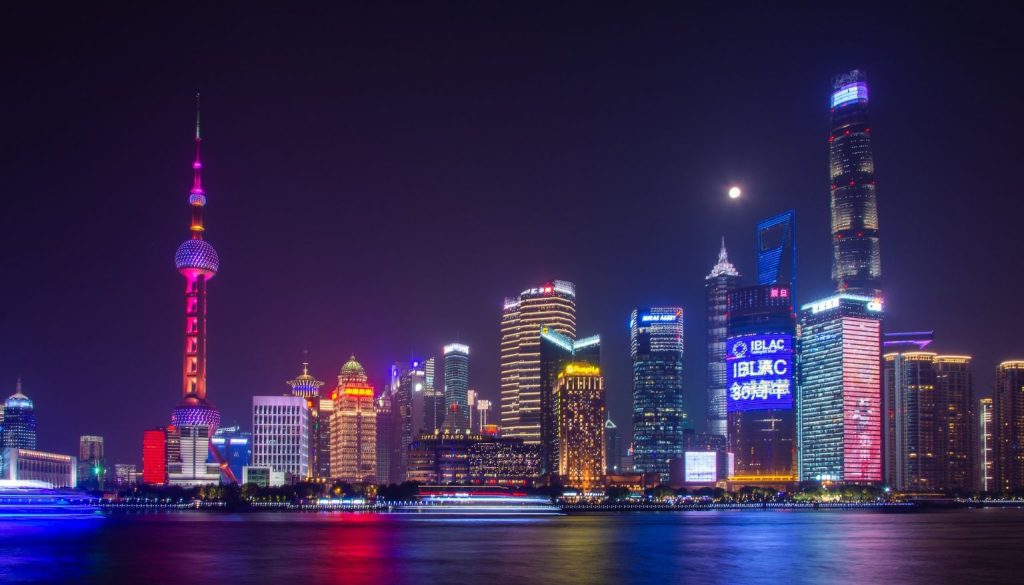
Sending a parcel to China. The country with the greatest opportunities for starting an SME export business is China, due to its high purchasing power and the constant emergence of new markets. If you can keep up with market trends, generating income from exporting goods to China will be easily achievable.
However, current trends in online shopping in China are shifting, with a greater emphasis on quality and fast delivery. Therefore, many Chinese customers may request expedited document delivery or send product samples or trial items for consideration before making a purchase.
If Thai entrepreneurs can quickly meet these demands, they will easily have the opportunity to capture purchasing power from China. So how do you do that if you're thinking of sending a parcel to China urgently? This article has the answers and compiles frequently asked questions about sending parcels to China: what cannot be sent to China, how much does shipping cost, and are there any taxes? Today, SME SHIPPING has the answers and provides detailed instructions on how to send parcels to China.
The first step is to choose a shipping company that suits your needs and budget. Currently, there are many shipping companies offering services to China, both domestic and international. You can compare prices and services from various providers to choose the one that best meets your needs, considering the following factors:
Once you've chosen a shipping company, you need to prepare the necessary documents and packaging for your goods. The essential documents for shipping to China are as follows:
At this stage, if you choose a shipping service provider to China that has experience... SME SHIPPING This will provide guidance and monitor the shipping process at every stage, thus effectively reducing errors in documentation. For commercial exports, read about the export documents from Thailand and the documents that importers in China may need. Documentation Guide for Exporting to China Regarding packaging selection for product delivery, a company with expertise and experience can assist you in choosing the safest and most suitable packaging for your shipment.
After preparing the documents and packaging for shipping, you must provide the shipping company with complete details when you need to send the package or documents. The necessary details are as follows:
After providing product details, the final step is payment for shipping costs. These costs depend on the weight and size of the goods, as well as the shipping distance. Some service providers also accept bank transfers and credit cards from customers who drop off goods at their office, providing convenience for those shipping large quantities of goods with high payment amounts.
International shipping has different minimum order values depending on the country. If the value of your shipment exceeds that threshold, you will be charged taxes. For China, the minimum value is CNY 50.
Shipping goods from Thailand to other countries requires going through import procedures at the destination country. Each country has different customs regulations. If this is your first shipment, you don't need to worry. We have a team of experts ready to advise and assist you at every step of the shipping process. Even if you ship regularly, we will take care of your goods until they arrive safely at their destination.
Fresh food, hazardous or flammable materials, perfumes and sprays, counterfeit or fake goods of all kinds, obscene materials, living organisms, carcasses, animal parts, human cremated remains, gold bars, cash, precious stones (unpolished), firearms, ammunition, explosives, and illegal goods.
Goods that are not on the prohibited list can be freely imported into China under Chinese import regulations based on the product categories specified by the Chinese government. Or, for a simpler approach, we recommend consulting [the relevant authority/website]. SME SHIPPING You can contact us directly at: https://smeshipping.com Because we focus on user-friendliness and ease of use, sending parcels to China is no longer difficult. With SME SHIPPING as your consultant, you can easily make the process easier.
To China Shipping goods from Thailand to China is now much easier than before. Especially with modern online stores selling through various online channels and prioritizing fast shipping, SME SHIPPING recommends using express delivery services as the most suitable method, since Chinese online customers expect to receive their goods quickly.
Besides fast shipping, another crucial factor is choosing a service that delivers to all provinces across China. Marketplace customers come from all over the country, so you need a service that you can be sure will cover all areas. Most importantly, the service must be legal. Avoid using unscrupulous shipping services to China, which carry the risk of packages not reaching their destination or being seized.
Today, SME SHIPPING features several popular Thai products that are trending in China. Many Chinese consumers trust the quality of Thai products and appreciate Thai creativity, a result of Thailand's soft power. Let's take a look at some of these products.
Cosmetics and skincare products are also very popular among Chinese consumers. Even though the market is highly competitive and Western and Korean brands dominate, many Chinese people still appreciate and believe that creams and beauty products manufactured in Thailand are of high quality and meet high production standards.
Thai skincare products, especially those made with natural ingredients such as herbal extracts, fruit extracts, and essential oils, are popular among Chinese tourists. These ingredients are believed to offer numerous benefits to the skin, including reducing inflammation, improving skin texture and tone, and helping to prevent aging and wrinkles. Many Chinese tourists travel to Thailand specifically to purchase skincare products because they are often inexpensive and of good quality. Besides skincare, other beauty and personal care products such as makeup and hair care are also very popular.
Traditional herbal medicine is popular among Chinese people, with a focus on Thai massage techniques and the use of natural ingredients such as herbal oils and compresses. Besides visiting and enjoying the services, they often purchase massage and spa products to take home. China has a long-standing appreciation for herbal medicine and is a major market for herbal exporters. Naturally, Thai herbal medicine has unique characteristics that are difficult to compete with, and many products sell extremely well when Chinese tourists visit Thailand (some even buy in bulk to take back to China). Examples include inhalers, balms, throat lozenges, and various herbal remedies for various ailments.
Natural rubber pillows from Thailand are quite famous among foreign customers, partly because the country has a long history of rubber cultivation and a renowned reputation. When processed into rubber products, they are not only of good quality but also reasonably priced.
Traditional clothing, especially silk and cotton, is popular among Chinese tourists. Thai silk is renowned for its high quality and beautiful patterns, as well as its comfort and natural material composition. Besides traditional clothing, modern fashion and casual wear are also popular among Chinese tourists in Thailand. Furthermore, these materials are favored for household goods and home decorations. This unique characteristic of Thai silk can be leveraged to create products for the Chinese market.
Thailand is renowned for its high-quality handcrafted jewelry. Many Chinese tourists travel to Thailand specifically to purchase jewelry, as it is often cheaper than in other countries and of good quality. This presents an attractive business opportunity for penetrating the Chinese market, as Thai jewelry is typically made from gold, silver, and precious gemstones such as diamonds, rubies, and sapphires.
Handicrafts such as wood carvings, ceramics, and textiles are popular souvenirs for Chinese tourists in Thailand. These products have great potential for the Chinese market, as Chinese tourists often buy handicrafts as gifts or souvenirs to take home or to decorate their homes. Besides wood carvings, other handicrafts such as ceramics, textiles, and jewelry are also popular among Chinese tourists.
Chinese tourists often buy Thai food and spices to take home as souvenirs or to cook themselves. Thailand is renowned for its unique and distinctive cuisine. Popular items among Chinese tourists, often difficult to find or unavailable in other countries, include curry paste, coconut milk, fish sauce, and rice. Besides food and spices, other food products such as tea, coffee, instant noodles, and snacks are also popular among Chinese people in Thailand.
Thai snacks are unique to Thailand and are not readily available (or difficult to find) elsewhere. They possess distinctive Thai flavors. Examples include crispy seaweed, roasted peanuts, coconut candy, and processed fruit snacks and dried fruits. Because Thailand cultivates a wide variety of fruits, many dried fruit products are already popular with Chinese consumers, such as dried durian, dried mango, and dried strawberries. This also includes snacks with authentic Thai flavors that are only sold in Thailand, such as Miang Kham-flavored potato chips.
Thailand is renowned for its high-quality handcrafted furniture, often made from wood and other natural materials. Thai furniture is known for its unique designs and attention to detail, and is typically made from natural materials such as wood, rattan, and bamboo. Besides traditional furniture, modern furniture and home decor are also popular among Chinese consumers, making this another promising business opportunity in the Chinese market.
Thai home decor items, such as traditional artwork and handmade lamps, are popular choices for Chinese tourists buying from Thailand. These include traditional artwork like paintings and sculptures, and handmade lamps and candles.
Traditional Thai toys and games, such as wooden dolls and board games, are very popular because these handmade items are often crafted by skilled artisans using traditional techniques and materials. Chinese tourists frequently purchase Thai toys and games as gifts or souvenirs to take home or to decorate their homes.
For those interested in shipping goods to China, you can find more details at SME SHIPPING or contact the SME SHIPPING team for further information.
SME SHIPPING provides transportation and logistics services at standard and cost-effective prices, offering a complete range of efficient sea and air freight options, along with these key features.
We are experts in international transportation, both import and export, connecting you through leading global shipping companies. We cover all modes of freight, including road, sea, and air, meeting all your transportation needs and providing customized solutions for your specific shipment.
We are committed to make your parcel delivery more convenient and complete with additional services that we have created, and an application that allows you to manage your delivery in a comprehensive and convenient way. Our services will make matters that used to be difficult become much easier for you.
SME SHIPPING has been operating parcel deliveries for more than 12 years, and we have a comprehensive suite of solutions to solve every type of shipping issue efficiently and professionally. This is attested by the long list of repeat customers that we currently have.
We ship worldwide to over 200 countries by road, sea, and air. Even a single item can be shipped. Worldwide delivery guaranteed.
 English
  Thai
Thai