


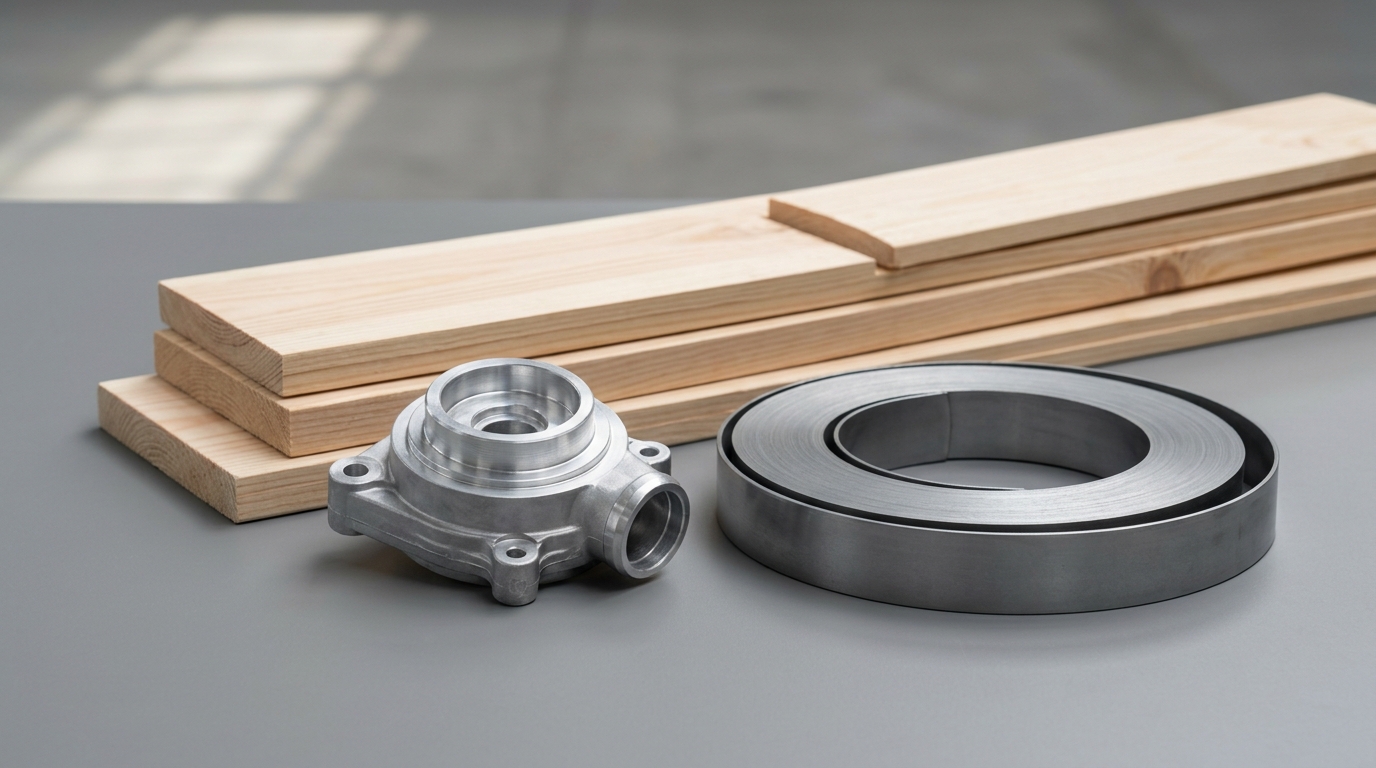
If you're in the Danish EV parts business or looking for an export market for electric vehicle components in Europe, the figures for the first half of 2016 are very interesting. Almost 801 TP3T of new cars registered in Denmark were EVs, and electric vehicle sales grew by 411 TP3T compared to the previous year. These aren't just impressive figures in a report; they indicate a serious shift in the European automotive industry's supply chain, and if you're still producing parts for gasoline-powered cars, you might need to reconsider.
Why Denmark's EV figures are a signal that Thai SMEs should understand.
Denmark isn't the largest market in Europe, but it's one of the fastest-changing and often leads the Nordic countries, which also include Norway, Sweden, and Finland. With all ten of the best-selling cars in the first half of this year being EVs, it means that Danish car manufacturers need a supply chain that fully supports EVs, not just an option.
For Thai SMEs manufacturing automotive parts, wiring harnesses, circuit boards, or related electronic equipment, this is a sign that demand from Europe is shifting towards a different type of product, not just quantity. If you are still primarily supplying parts designed for internal combustion engines, you may need to start considering how your products can be adapted or expanded to support the EV supply chain.
Danish EV parts: What types of Thai products have opportunities to enter the market?
Thailand already has a strong automotive parts manufacturing base, particularly in wiring harnesses, electronic circuit boards, plastic and metal components for vehicle structures, and various electrical systems. These components remain in demand for EVs, although the required specifications and standards may differ from those of conventional gasoline vehicles.
A clear example is that wiring harnesses for EVs must handle higher currents and meet stricter insulation standards. Circuit boards used in battery management systems (BMS) must pass different levels of temperature and vibration testing. If you're already manufacturing these products, the question to ask yourself is: Do your products truly meet EV specifications, and do you have certifications that European buyers will accept?
In addition to direct components, there are also product groups related to the EV ecosystem, such as EV charging components, battery cooling system components, and thermal insulation materials for battery packs, which Thailand has the potential to produce. However, it is necessary to check whether the specifications meet the requirements of the Danish and EU markets.
EU regulations you need to know before shipping automotive parts to Europe.
This is an aspect many people overlook. Denmark is a member of the EU, so goods entering Denmark must comply with all EU regulations, not just Danish ones. Recently, the EU has also introduced several new regulations related to the EV supply chain that you need to be aware of.
The EU Battery Regulation (Regulation EU 2023/1542) directly impacts exporters of battery-related components. This regulation requires batteries and related components to have a carbon footprint declaration, traceability information for raw materials, and in the future, a digital battery passport. If your products involve batteries or EV power systems, you need to start preparing this information now.
Furthermore, there is the EU Supply Chain Due Diligence requirement, which stipulates that importers in Europe must be able to prove that their supply chain does not involve human rights violations or environmental damage. This means that your buyers in Europe may ask about this, and you need to be able to provide them with the information, not just say, "We manufacture in Thailand."“
Documents and certifications required for the European EV market.
Shipping automotive parts to Europe isn't just about HS codes and import duties; there are also certification documents that buyers often request before making a purchase. If you don't have these documents ready, it can delay the deal or even lead to its rejection.
- CE Marking Electronic components and electrical equipment sold in the EU must have a CE mark along with a Declaration of Conformity specifying the standards met.
- RoHS Compliance The certificate suggests that the product likely does not contain hazardous substances exceeding EU limits, such as lead, mercury, and cadmium, which is crucial for electronic components.
- REACH Compliance The documents suggest that the chemicals in the manufacturing process and in the product comply with the EU's REACH regulations.
- Carbon Footprint Declaration For battery-related products, the EU is gradually enforcing this requirement. Data collection on CO2 emissions in the manufacturing process should begin now.
- Material Traceability Records Documents showing the source of key raw materials, especially minerals used in batteries, such as lithium, cobalt, and nickel.
- Test reports from accredited laboratories. Test results from a laboratory certified to ISO/IEC 17025 standards are more reliable than in-house factory tests.
- Certificate of Origin Form A or EUR.1 To utilize the GSP or FTA benefits that Thailand has with the EU, which help reduce import tariffs on certain product groups.
Danish EV Parts: Checklist Before Actual Shipment
Before you begin negotiations with buyers in Denmark or Europe, there are several things you should check thoroughly. If, once the process starts, you discover missing documents or products don't meet specifications, correcting them later will be time-consuming and could damage your credibility with the buyer.
- Verify the correct HS code. Some types of EV components may have different HS codes than gasoline vehicle components, which affects tariffs and import conditions. It is advisable to consult a customs broker with direct experience in the EU market.
- Check if the product specifications match the EV application. Request technical requirements from the buyer first, then compare them to the specifications you can actually produce.
- Check the CE Marking and RoHS status. If you don't already have one, you need to estimate how much time and budget are required to obtain certification.
- Prepare supply chain data for raw materials. European buyers may ask where the raw materials come from, especially if the product involves batteries or rare metals.
- Calculate the cost of certification and testing. Testing and certification costs from European labs may be higher than expected. This cost should be included in the landed cost before setting prices.
- Check the packaging and labeling. The EU has quite detailed product labeling regulations, especially for battery-related products. All required symbols and information must be present.
- Check the payment terms and Incoterms. Many European buyers prefer DDP (Delivered Duty Paid), which means you are responsible for all import taxes and charges until the item reaches the buyer. This must be calculated thoroughly before bidding.
The often-forgotten cost: How much time and money does it take to obtain EU certification?
Many people overlook this cost and find that the price offered to the buyer is too low and not worthwhile. Obtaining CE Marking for electronic components takes 2-6 months, depending on the type of product and the testing lab used. The cost can range from tens of thousands to hundreds of thousands of baht, depending on the complexity of the product.
For RoHS testing, the cost per product can range from 15,000 to 50,000 baht, depending on the number of substances to be tested and the chosen laboratory. If you have multiple products, this total cost may be higher than expected, and the testing may need to be repeated when product specifications change.
The carbon footprint declaration for battery-related products is still in its initial stages of implementation. However, if you don't yet have a CO2 emissions data collection system in your factory, starting to collect retrospective data will be difficult and time-consuming. You should start setting up a system now, even if you don't have any orders from Europe.
Traceability is a topic that European buyers will increasingly ask about.
Traceability, or the ability to track the origin of raw materials and production processes, is becoming an increasingly important issue for European buyers every year, especially in EV-related product lines, as the EU pushes for greater transparency in the EV supply chain.
In practice, this means a buyer might ask you where the copper in the wires comes from, what country the metal in the circuit boards comes from, how much CO2 your manufacturing process releases per unit of product, and whether your factory workers are paid and receive benefits according to the law. If you can't answer these questions, or can answer them but don't have supporting documentation, the buyer might choose another supplier who is better prepared.
Preparing traceability documentation doesn't need to be done all at once. It's best to start with supplier mapping—knowing where your main raw materials come from—and then gradually build a data collection system for each stage of production.
Actual shipment: Route and customs documents required.
Shipping automotive parts from Thailand to Denmark typically involves sea transport through major European ports such as Hamburg, Rotterdam, or Antwerp, followed by onward transport to Denmark. The overall transit time is approximately 25-35 days, depending on the chosen routing and transit ports.
The documents required for exporting from Thailand and importing into the EU include a Commercial Invoice, Packing List, Bill of Lading or Air Waybill, Certificate of Origin (Form A for GSP or EUR.1 for FTA), and relevant standard certifications such as CE Declaration of Conformity and RoHS Certificate, if the goods fall into the required categories.
For products involving batteries, be aware of Dangerous Goods Regulations. Lithium batteries have strict packaging and transportation regulations, both by sea (IMDG Code) and by air (IATA DGR). Improper shipping methods may result in detention or rejection of transport.
Questions you should ask your customs broker before your first shipment.
If you've never shipped automotive parts to Europe before, it's important to work with a customs broker experienced in the EU market. But choosing a good broker also means knowing what questions to ask.
- What is the correct HS code for our product, and what are the current EU import tariffs?
- Does Thailand have GSP benefits with the EU for these product groups, and what documents are required to claim them?
- Are our products subject to special import licenses?
- If the product involves batteries, are there any special requirements for transportation?
- What is the average time for customs clearance at the destination port?
Things to watch out for over the next 12 months.
The European EV market and related regulations are constantly evolving, and there are several things you should keep an eye on if you're truly interested in this market.
The EU Battery Regulation is being gradually implemented. Carbon footprint declaration requirements for EV batteries will come into force in 2025-2026, and the digital battery passport will follow in 2027. If your product is affected, you should closely monitor the enforcement schedule.
The EU's Carbon Border Adjustment Mechanism (CBAM), which has already been implemented for certain product groups, may be expanded to cover more industrial goods in the future. It's important to monitor whether your goods fall within the scope of the CBAM, as its impact on export costs will be significant if your products are included.
Furthermore, it is important to monitor EU policies regarding the European Chips Act and the Critical Raw Materials Act, which may impact the long-term supply chain of electronic components. It is also crucial to track any new requirements that buyers in Denmark and Europe are incorporating into their sales contracts.
Considerations before investing in the European EV market.
Before you decide to invest in product modifications or obtain certifications for this market, a framework that might help is a good starting point. First, assess what modifications your product needs to meet the EV application specifications and whether the modification costs are worthwhile considering the expected sales volume.
Secondly, assess whether you already have a clear buyer in Denmark or Europe. If you don't have a truly interested buyer, investing in pre-certification might be an unnecessary risk. It's better to find a buyer first, and then invest according to their needs.
Thirdly, look at what your competitors in Thailand or in other countries like Vietnam, Indonesia, or China are doing in this market. If your competitors have already started preparing, you may need to start sooner. But if no one has seriously entered this market yet, it may mean you still have time to prepare thoroughly.
For more information on exporting automotive parts to Europe, you can refer to the following references: smeshipping.com This compilation gathers information about international exports for Thai SMEs.
The signals from Denmark are very clear: the automotive market is undergoing a permanent, not just temporary, shift. The question isn't whether to wait and see, but how you prepare for this changing demand without taking unnecessary risks.
Danish EV parts: Double-check before negotiating prices and before closing the container.
Before submitting a bid to a buyer in Denmark, you should clearly separate the cost of the goods, packing costs, shipping costs, insurance, documentation fees, and destination charges. If you combine everything into a single lump sum, you won't know where your profit goes when shipping costs change.
For automotive parts/EV-related components, the first step before submitting a price quote is to obtain complete destination information from the buyer. This includes the preferred port, Incoterms terms, desired delivery date, payment method, and customs clearance documents. This information helps you assess the risk before accepting the order.
If a buyer requests a price quote, you should check it carefully. Avoid giving a broad, approximate price; instead, provide a price range, specify the quotation's expiration date, and mention that freight surcharges or other additional costs may vary depending on the shipping booking date. This helps prevent disputes when the goods are ready for shipment.
Documentation issues should be checked from the beginning, not waiting until production is complete to inquire. Some documents require time to obtain from relevant agencies or labs. Missing documents on delivery day can result in costs beyond just penalties, including delays and decreased buyer trust.
The key areas to discuss with your freight forwarder are: EU-compliant documentation, traceability, battery and sustainability requirements, and product specification alignment for EV supply chains. Ask about standard shipping times, alternative routes in case of risk, costs not included in the freight quote, and insurance claim conditions in case of damage or delays.
Another point to watch out for is: "No specific importer, HS code, certification path, or buyer segment is identified; EU compliance requirements need verification before export." This might not be visible in the initial quotation but will emerge when the buyer reviews the documents or when customs at the destination request additional information. Preparing this information in advance can help speed up the deal.
- Separate the cost of goods, shipping, insurance, and documentation onto different lines before submitting a price quote.
- Clearly confirm the Incoterms with the buyer, specifying who is responsible for the final delivery costs.
- Verify that the HS Code and product name in the invoice match the packing list and shipping documents.
- Please provide a freight quote that includes all applicable surcharges, not just the base freight price.
- Specify the expiration date of the quotation to mitigate the risk of fluctuating freight rates.
- Keep product certification documents and product photos ready to respond to buyers immediately.
- Start with a sample shipment if you haven't shipped to this market before, to reduce risk before placing a large order.
If you use this checklist before starting pricing discussions, your first export transaction won't be guesswork, but rather a decision based on actual costs, real documentation, and real risks. This will help you negotiate with the buyer with more confidence.
Source: Department of International Trade Promotion (DITP) https://www.ditp.go.th/post/gs98qmsvf4eayoosq369nhyq
Danish EV parts: Check the conditions before making a decision.
Danish EV parts suppliers should start by thoroughly reviewing documentation, costs, and end-use conditions before confirming a price. This approach helps reduce risk and allows for planning based on factual information.
Danish EV parts: Check the conditions before making a decision.
Danish EV parts suppliers should start by thoroughly reviewing documentation, costs, and end-use conditions before confirming a price. This approach helps reduce risk and allows for planning based on factual information.



 English
  Thai
Thai