


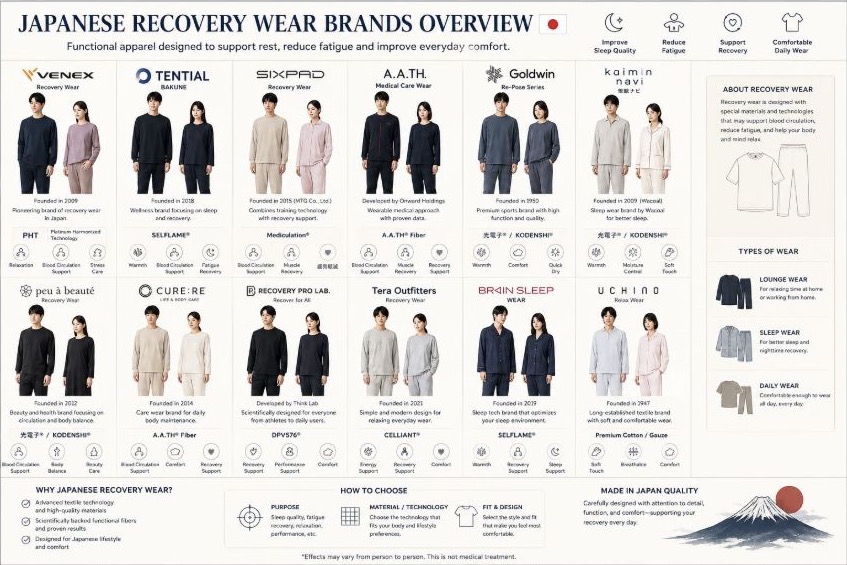
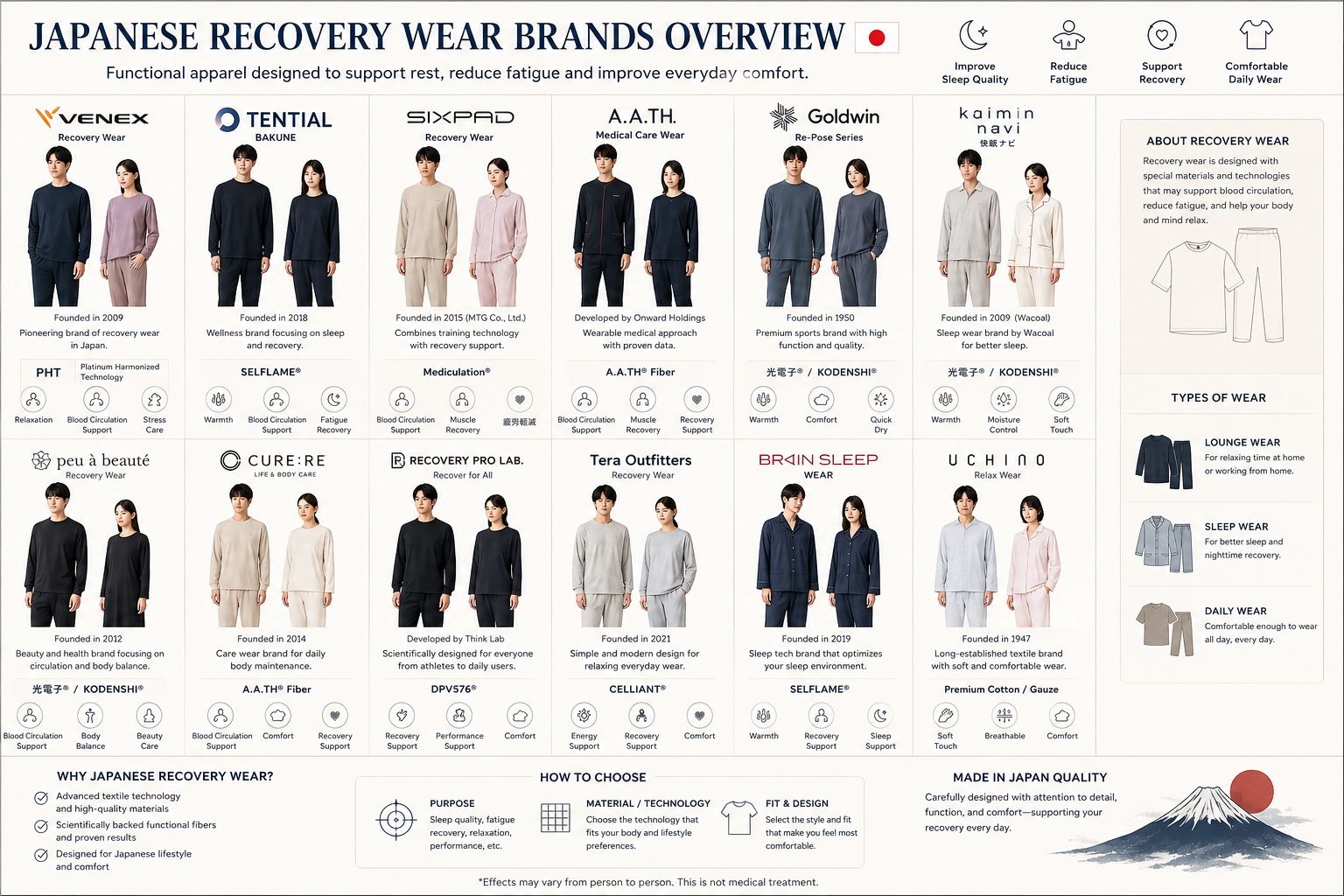
If you're already in the clothing, functional fabric, or OEM/ODM manufacturing business, here's some news from Japan... Recovery Wear This should be on your watchlist because it's not just a fashion trend, but a signal that the Japanese market is opening up to clothing that communicates feelings of comfort, recovery, and well-being.
According to data compiled by DITP, major retailers in Japan have begun launching or expanding their Recovery Wear product lines, and in some cases, sales have been quite good. This suggests that the market is not just on paper, but is actively being tested, and there are players ready to move forward in this category.
Why Thai SMEs should be interested.
From an exporter's perspective, news like this might not immediately translate into orders due to increased demand, but rather... trade signal This tells us that our product range is in demand in destination countries. Japan is a market that prioritizes quality, detail, and reliability. If Thai factories are already skilled in technical fabrics, stretch fabrics, breathable fabrics, quick-drying fabrics, or garments with special properties, there are opportunities to further develop those skills.
Recovery wear isn't limited to serious health-focused clothing; it encompasses a wide range of categories from loungewear and relaxation wear to sportswear and items that tell a story of relaxation and recovery. This gives Thai manufacturers many options for product placement.
Where do the opportunities lie for Thai manufacturers?
Looking at Thailand's strengths, we have a flexible garment and textile manufacturing base that can handle specific specifications quite well, which aligns with the Japanese market's preference for clear information and meticulous work. Possible opportunities include:
- We offer contract manufacturing of functional clothing for Japanese brands or retailers.
- We produce finished products for the retail market that emphasize comfort and special features.
- Exporting functional fabrics or raw materials for further development in OEM/ODM lines.
But to be honest, this market isn't one where you can win with pretty words alone. Japanese customers often ask detailed questions about how the fabric works, what it feels like, whether the properties remain after washing, and whether the information on the label is accurate.
Points that require special attention.
The original news source cited that Japan's Ministry of Health, Labour and Welfare had classified certain types of clothing that promote blood circulation using far-infrared radiation for home use as general medical devices in 2022. However, the article does not provide enough detail to conclude the scope of application to all actual products. Therefore, do not assume that all types of recovery wear fall under the same category.
If you intend to export, manufacturers should thoroughly check all aspects before discussing with potential partners, including health claims, product classification, labeling language, and documentation verifying product characteristics. This is especially important if the product's claims relate to aiding recovery, improving circulation, or have properties similar to health products.
A perspective from someone in the shipping business.
From a logistics perspective, this news doesn't yet provide details on shipping or specific transportation requirements. However, for functional apparel, it's crucial to have clear product documentation prepared from the outset, as Japanese suppliers often request to see specifications, materials, usage, and packaging details simultaneously.
In short, Recovery Wear is a market worth watching, not just because it's popular, but because it's connected to real consumer behavior in Japan. If you're a Thai SME already making functional clothing or fabrics, this could be an opportunity to expand your market without starting from scratch. However, you need to play the game with accurate information, avoid skipping steps, and not make exaggerated claims beyond what the documentation supports.
Before starting discussions with Japanese business partners. I recommend thoroughly checking three things first: how clear is the product's functionality?, are the labeling and communication incompatible with any regulations?, and are the export documents ready? It's much safer to proceed only when all three are in order.
Source: DITP https://www.ditp.go.th/post/o18fb0qyih275eybtoyweqmn


 English
  Thai
Thai